Post Production Video Editing: Complete Guide for 2026
Discover how post production video editing transforms raw footage into professional content. Learn workflows, tools, and outsourcing tips.
10 Min. ReadRead More
5 dedicated editor spots open this week. Book a call to reserve →
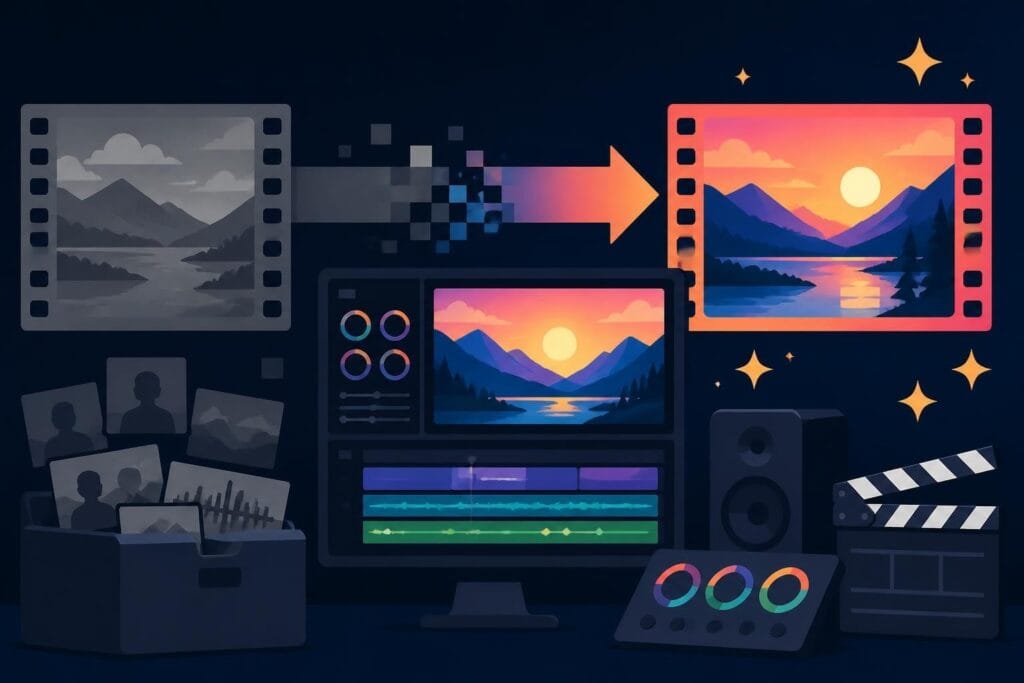
Discover how creative editing transforms raw footage into compelling stories. Learn techniques that turn ordinary videos into scroll-stopping content.
 Knowledge Base
July 8, 2026
You've got hours of footage sitting on your hard drive. Maybe it's product demos, interviews, behind-the-scenes content, or that webinar you recorded last week. Raw footage is just data until someone transforms it into a story that actually makes people stop scrolling. That's where creative editing comes in – the difference between content that gets skipped and content that gets shared, remembered, and converts. It's not just about cutting clips together; it's about crafting an experience that pulls viewers in and doesn't let go until they've taken action.
Creative editing goes beyond the technical basics of trimming clips and syncing audio. It's the art of making deliberate choices that enhance storytelling, evoke emotion, and guide viewer attention exactly where you want it.
Think about the last video that made you stop mid-scroll. Chances are, someone made bold editing decisions – a perfectly timed cut, an unexpected transition, or a rhythm that matched the energy of the moment. Creative and effective video editing techniques combine timing, pacing, and visual elements to create impact.
Here's what separates creative editing from basic cutting:
For content creators and businesses in 2026, creative editing isn't a luxury – it's table stakes. Your audience sees hundreds of videos daily. The ones that stand out use editing as a storytelling tool, not just a technical necessity.
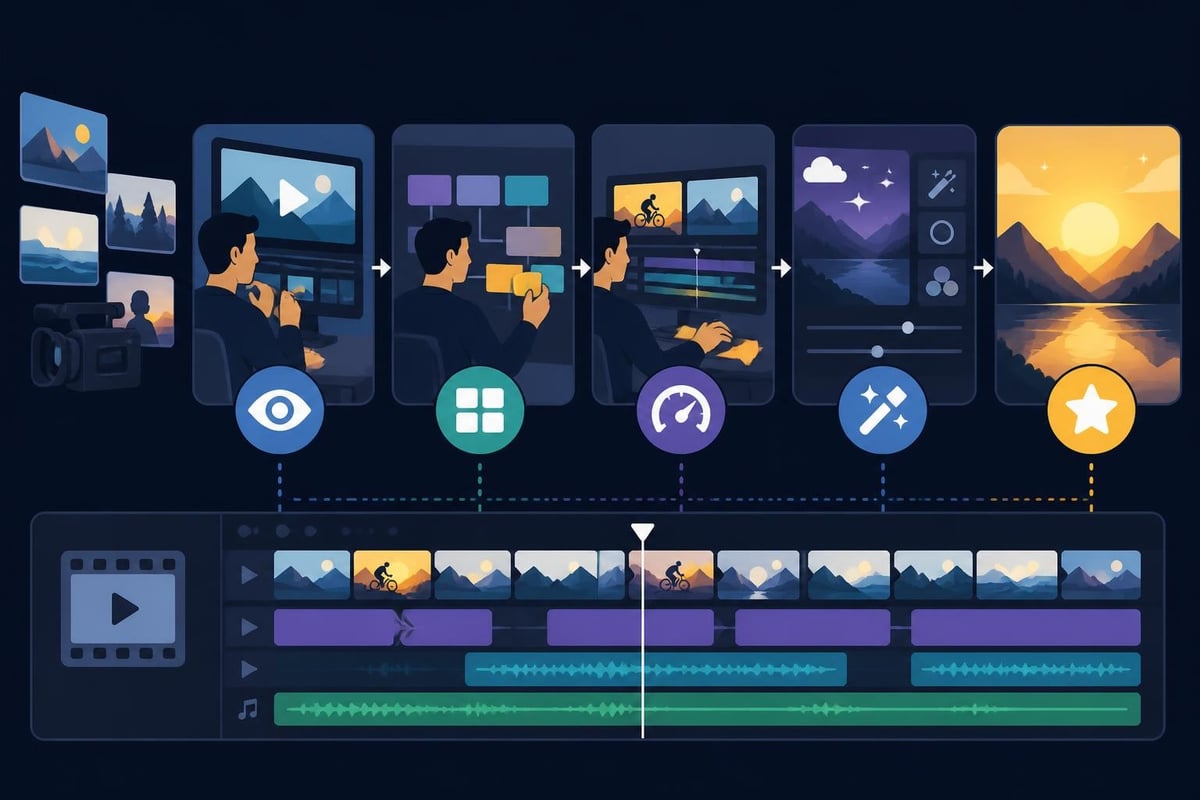
Every compelling video starts with understanding the fundamental techniques that make creative editing work. These aren't fancy tricks – they're practical approaches that professional editors use to transform ordinary footage into something worth watching.
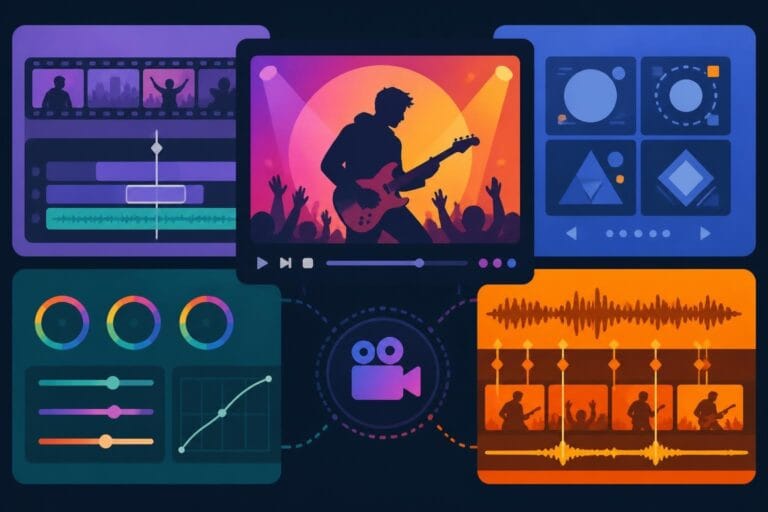
Music drives emotion, and syncing your cuts to the rhythm creates an almost hypnotic viewing experience. When your edits hit on the beat, viewers feel the energy even if they can't articulate why.
This works for everything from TikTok content to corporate videos. The key is choosing music that matches your message intensity and letting the rhythm guide your cutting decisions.
Jump cuts get a bad reputation in traditional filmmaking, but they're gold for digital content. They speed up pacing, remove dead air, and keep attention locked on your message.
Modern audiences expect this style. Those talking-head videos where someone rambles for minutes without a cut? They're getting skipped. Sharp jump cuts signal that you respect viewer time.
B-roll isn't filler – it's visual proof. When you're explaining a concept, showing examples, or building credibility, B-roll gives viewers something concrete to anchor to.
Strategic B-roll usage includes:
The fundamental video editing techniques you choose should always serve your story, not just fill time.
The editing landscape shifted dramatically over the past few years. What worked in 2023 feels dated now. Modern creative editing embraces new tools while staying grounded in storytelling fundamentals.
| Technique | Best For | Impact Level |
|---|---|---|
| Dynamic text overlays | Social media, ads | High engagement |
| Speed ramping | Action moments, reveals | Medium-high attention |
| Split screens | Comparisons, multi-perspective | Medium retention |
| Color isolation | Brand emphasis, focal points | Medium-high memorability |
| Seamless transitions | Vlogs, tutorials | High professionalism |
Color isn't just aesthetics – it's psychology. Your color grade should be as recognizable as your logo. Think about how certain YouTube channels or brands have a distinct look that you'd recognize in a fraction of a second.
Consistent color grading across your content library builds visual trust. Viewers subconsciously associate that look with your brand, creating familiarity that breeds loyalty.
Amateur videos have background music. Professional videos have soundscapes. That means layering ambient sounds, strategic silence, sound effects that punctuate key moments, and music that evolves with the story arc.
Video production and editing that ignores sound design is leaving half the emotional impact on the table. Your ears process information faster than your eyes in many contexts.
Static text overlays are fine. Animated text that reinforces your message is better. Motion graphics that visualize complex ideas? That's where creative editing becomes a competitive advantage.
The trick is restraint. Every animated element should have a purpose. If it's just movement for movement's sake, it's clutter.
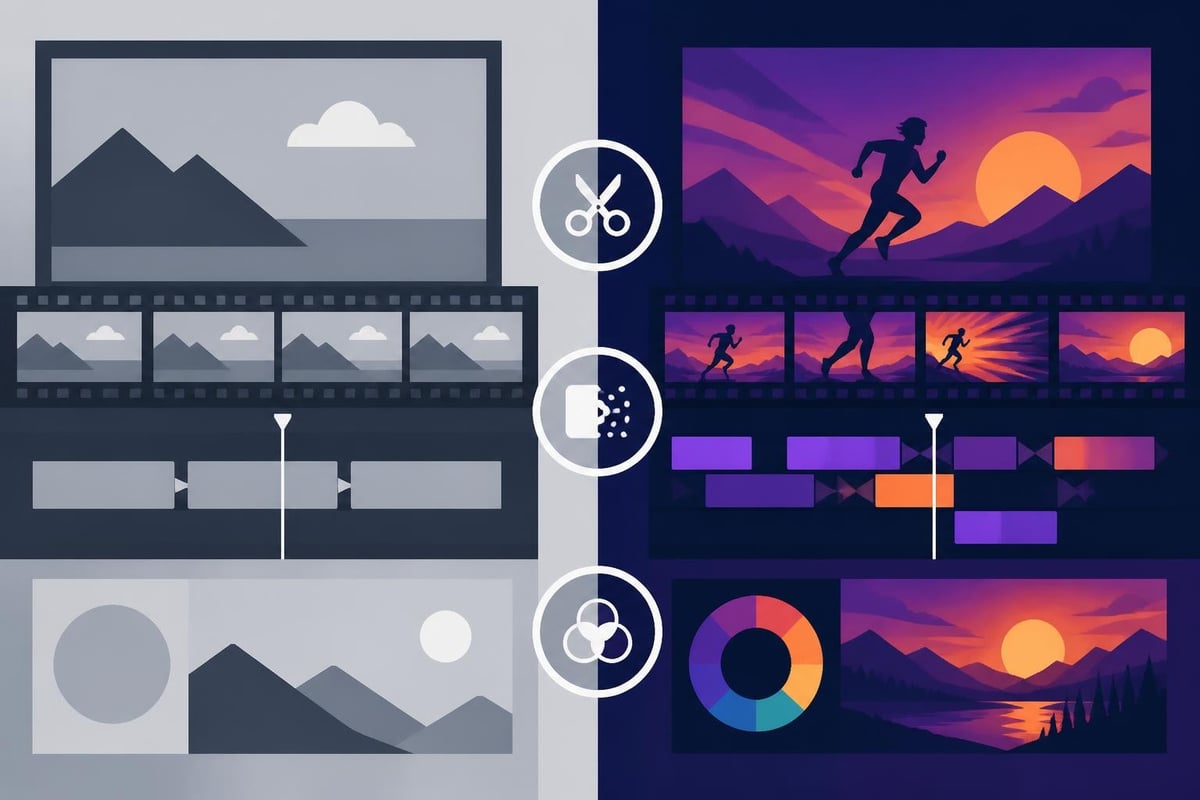
Here's the uncomfortable truth: creative editing takes time, skill, and an eye that develops over thousands of hours. Most business owners and content creators don't have those thousands of hours to spare.
You know your business. You understand your audience. But translating that knowledge into editing decisions that work? That's a completely different skill set.
Common creative editing challenges:
This is why so many businesses waste resources on inconsistent freelancers or burn out trying to do everything in-house.
Let's talk numbers for a second. If you're spending 6 hours editing a video yourself, and your time is worth $100/hour (conservative for most business owners), that's $600 in opportunity cost. Per video.
Now multiply that by the content volume you need to stay visible in 2026. That's not sustainable.
Beyond the financial math, there's the creative cost. When you're buried in the technical details of editing, you're not thinking strategically about your content. You're not ideating the next campaign. You're not connecting with your audience.
The hidden costs add up fast when you factor in software subscriptions, storage solutions, render time, and the mental overhead of context-switching between creator and editor.
Professional video editors don't just know the software – they think in story arcs, pacing rhythms, and viewer psychology. They've internalized patterns that work and can spot problems in footage that you wouldn't notice until after publishing.
Before touching the timeline, pros ask: What should viewers feel? What action should they take? How long will they realistically watch?
Everything flows from those answers. The creative editing choices serve the objective, not personal preference or technical showmanship.
Amateur editors try to nail it perfectly the first time. Professionals build rough cuts, sleep on them, then refine. They know that distance from the material reveals what's actually working versus what you think is working.
This is why unlimited revision systems matter so much. Good creative editing often emerges in iteration three or four, not version one.
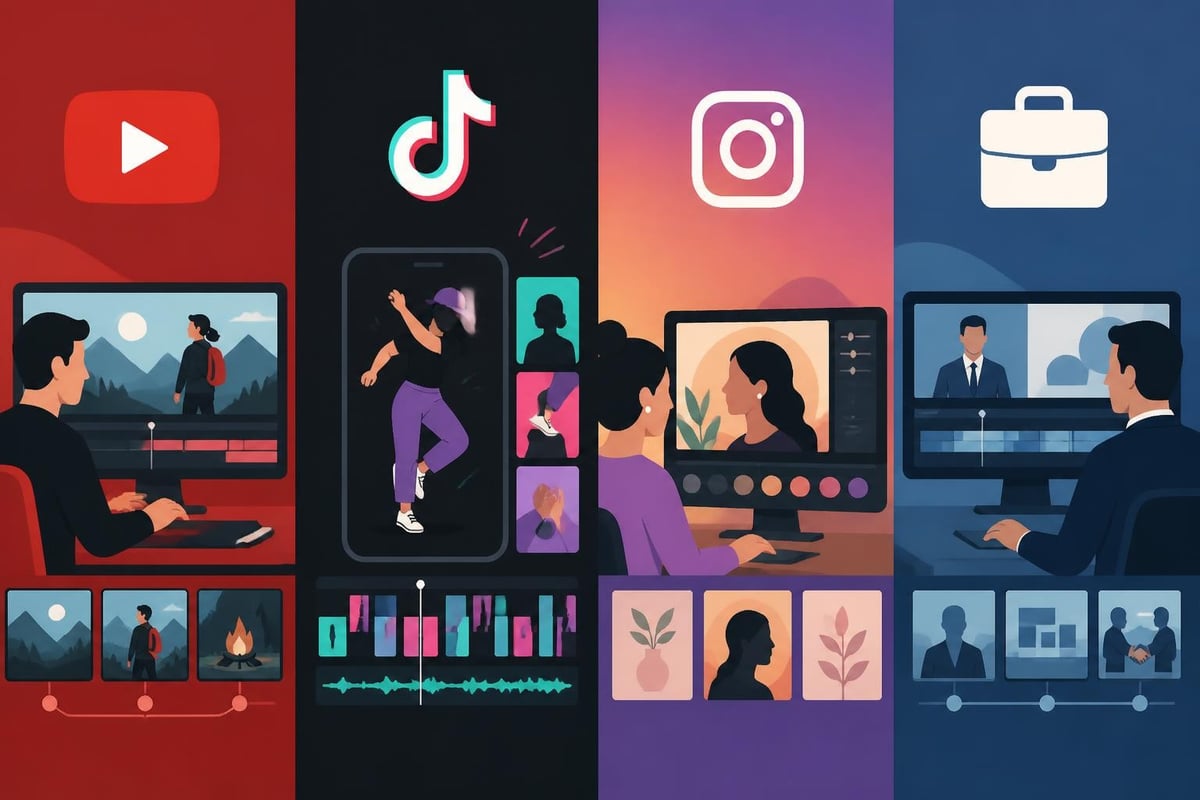
A YouTube video, Instagram Reel, and LinkedIn post all need different creative editing approaches. The hook timing, pacing, text placement, and even music choices shift based on where people are watching and what they expect.
Professionals don't just resize – they rethink the edit for each platform's native behavior and audience expectations.
The editing landscape evolves constantly, but several trends are dominating in 2026 and show no signs of slowing down.
Current creative editing movements:
What's fascinating is how creative retouching techniques from photography are influencing video work. The line between photo and video editing continues blurring as creators seek cohesive visual identities across all content types.
The biggest challenge isn't learning creative editing – it's producing enough high-quality content consistently to actually move the needle for your business. One amazing video per month won't cut it anymore.
You need systems that enable creative editing at scale without sacrificing quality or burning through your budget. That means standardizing workflows, building asset libraries, and having dedicated resources focused solely on turning your footage into finished content.
| Approach | Pros | Cons |
|---|---|---|
| In-house editor | Brand familiarity, availability | High fixed cost, single perspective |
| Freelance editors | Flexibility, lower commitment | Inconsistent quality, communication overhead |
| Editing agency | Scalability, expertise | Higher cost, less control |
| Unlimited editing service | Predictable cost, dedicated team | Requires trust in external partner |
The smartest businesses in 2026 aren't trying to become editing experts themselves. They're partnering with teams who live and breathe creative editing while they focus on strategy, creation, and growth.
Not every video needs experimental creative editing. Sometimes clarity and simplicity win. The art is knowing which moments call for bold choices and which need restraint.
Creative editing should enhance your message, not overshadow it. The best edits are often invisible – they guide emotion and attention so smoothly that viewers don't even notice the craft.
AI-powered tools are changing what's possible in post-production. From automated rough cuts to intelligent scene matching, technology is handling the repetitive parts of editing so humans can focus on the creative decisions.
But here's what matters: AI doesn't replace creative judgment. It accelerates execution. The best results in 2026 come from combining AI efficiency with human storytelling instincts.
Professional editors are already using these tools to deliver faster turnarounds without compromising quality. They're not fighting the technology – they're leveraging it to do more creative editing in less time.
If you're serious about video content in 2026, you need infrastructure. That means organized footage libraries, brand style guides that include editing preferences, templates for recurring content types, and dedicated editing capacity that matches your content ambitions.
Most businesses underestimate this last point. They focus on filming more content but don't build the editing capacity to actually publish it. Raw footage piles up. Opportunities get missed. Momentum dies.
The solution isn't working harder – it's working with people who specialize in transforming your footage into finished, published content that actually drives results. Whether that's through exploring unlimited editing options or building internal systems, you need editing capacity that matches your creative output.
Let's get specific about outcomes. Creative editing done well doesn't just make pretty videos – it drives measurable business results.
Tangible benefits of professional creative editing:
That last point matters more than most realize. You don't need perfect raw footage when you have skilled creative editing. Small mistakes, background noise, awkward pauses – these all get fixed in post. This means you can shoot faster, stress less during recording, and still deliver polished final products.
Here's a practical framework for making creative editing work for your business right now, not someday when you have more time or budget.
Step 1: Audit your current content. What's performing? What editing elements do those videos share?
Step 2: Define your signature style. What three editing characteristics should be present in every video?
Step 3: Calculate your actual editing capacity. How many videos can you realistically finish per month with current resources?
Step 4: Identify the gap. Where's the disconnect between what you need to publish and what you can actually edit?
Step 5: Solve the capacity problem. Whether that means scheduling a strategy call to explore outsourcing or hiring in-house, close that gap.
Most businesses never get past step three. They accept the capacity constraint as unchangeable. But your editing capacity isn't a fixed resource – it's a business decision.
Creative editing transforms raw footage into content that actually works for your business, but only if you have the capacity to do it consistently. The businesses winning with video in 2026 aren't the ones with the best cameras or the biggest budgets – they're the ones who've solved the editing bottleneck. If you're ready to turn your content backlog into published videos that drive real results, beCreatives offers unlimited video editing with dedicated editors, streamlined revisions, and the kind of creative partnership that lets you focus on your business while we handle the post-production that makes your content shine.
Discover how post production video editing transforms raw footage into professional content. Learn workflows, tools, and outsourcing tips.
Master video editing HD quality standards, encoding settings, and workflow best practices to deliver professional content in 2026.
Discover what makes a YouTube video editing course worth your time in 2026, plus smarter alternatives for busy creators and agencies.
Looking to hire video editor for YouTube? Discover the best hiring strategies, what to look for, and how to build a winning content team in 2026.
Discover the best music video editing software for 2026. Compare features, pricing, and workflow tools to create stunning music videos faster.
Looking for a video editing company near me? Learn how to choose the right partner, what to expect, and whether local is best in 2026.
Discover how video editing AI online is changing content creation in 2026. Explore smart tools, workflows, and what creators really need to know.
Master wedding videography editing with expert tips on storytelling, pacing, and delivery. Learn how to transform raw footage into cinematic films.
Choosing an HD video editing app in 2026? Discover features, performance tips, and how professionals handle high-definition content.
Discover the best free simple editing software for videos and photos in 2026. Compare features, learn what works, and decide when to DIY or outsource.
Editing videos yourself can take a lot of your precious time, but do not worry – we‘ve got you covered! Our highly skilled Video Editors are here to speed up the process and give you time to create more content.
What do you need edits for?


Scratch to see who you got
This is your match, not your assignment.
We confirm your editor once you subscribe.
Pick a time that works and we’ll take it from there.
Open the booking page15 minutes, free