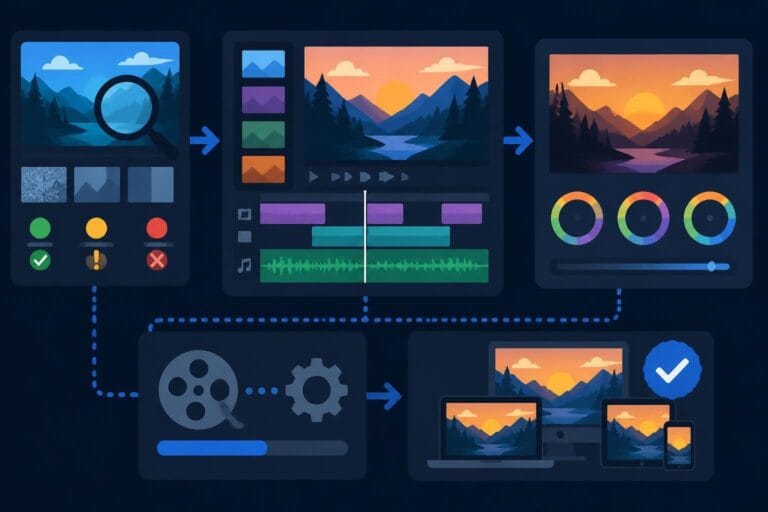
Post Production Video Editing: Complete Guide for 2026
Discover how post production video editing transforms raw footage into professional content. Learn workflows, tools, and outsourcing tips.
10 Min. ReadRead More
5 dedicated editor spots open this week. Book a call to reserve →
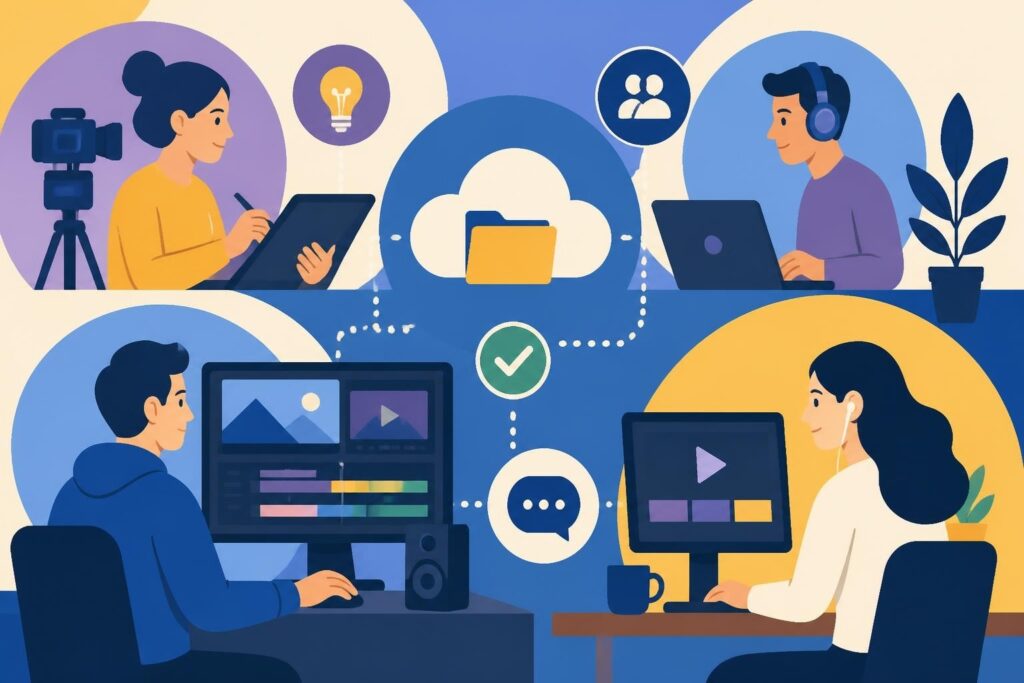
Choosing the right editing company can transform your content strategy. Here’s what creators and businesses need to know in 2026.
 Knowledge Base
July 18, 2026
Finding the right editing company isn't just about outsourcing work anymore. It's about finding a creative partner who understands your brand, respects your deadlines, and actually makes your life easier. Whether you're a solo content creator drowning in footage or an agency juggling multiple client projects, the editing company you choose can either become your secret weapon or your biggest bottleneck. In 2026, with video content dominating every platform and AI reshaping workflows, knowing what separates the good from the great has never been more important.
The video editing landscape has changed dramatically over the past few years. What used to be a luxury service for big brands is now essential infrastructure for anyone building an online presence.
Innovation in AI and AR continues to drive opportunities in video production, fundamentally changing what businesses should expect from their editing partners.
Here's the reality: your audience doesn't care if you edited the video yourself. They care about quality, consistency, and whether your content actually delivers value. An editing company that gets this will focus on outcomes, not just technical specs.
Before we dive into what makes a great editing company, let's talk about what you're actually saving by outsourcing:
Most creators realize too late that their editing bottleneck is what's actually limiting their growth. The math is simple: if you can create three videos in the time it takes to edit one, you're losing money by doing it yourself.
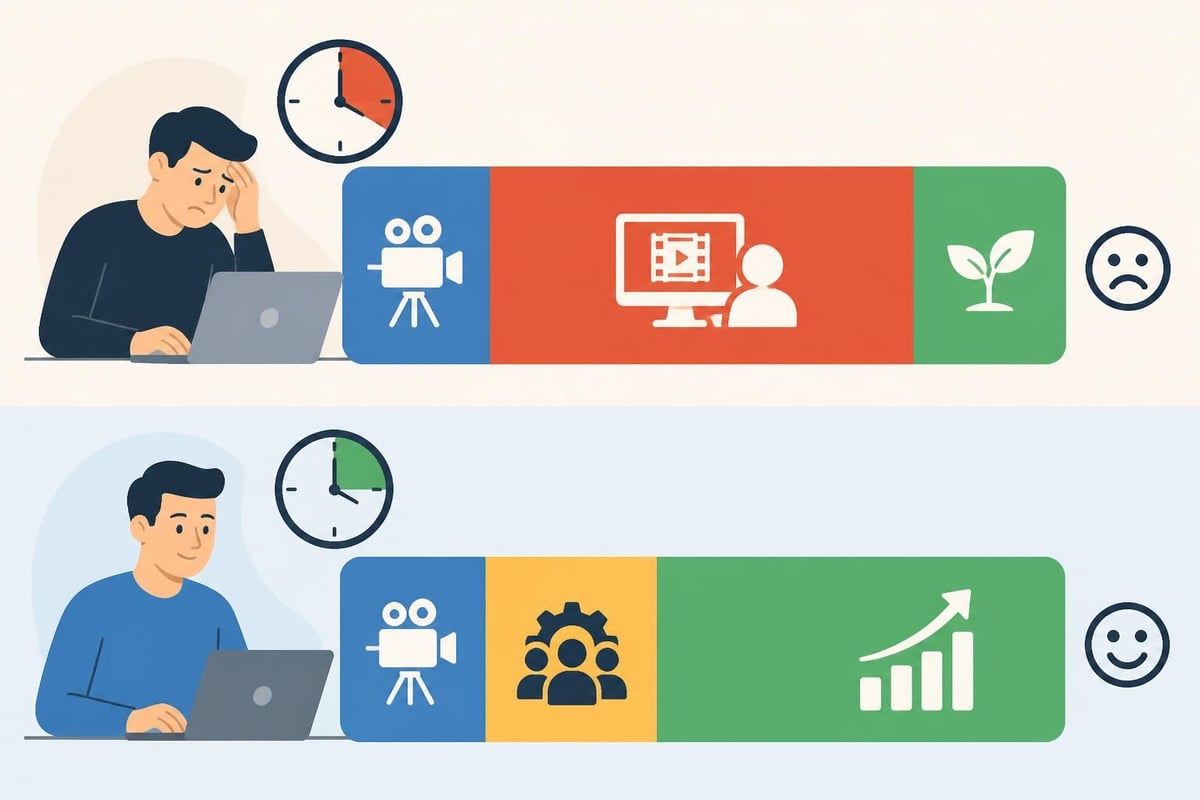
Not all editing companies operate the same way. Some are glorified freelancer marketplaces, others are traditional agencies with traditional overhead, and a few are built specifically for the modern creator economy.
The best editing company for you depends on what you actually need. Let's break down the critical factors.
| Service Model | Typical Turnaround | Reliability Score | Best For |
|---|---|---|---|
| Freelance Platforms | 5-7 days | Variable | One-off projects |
| Traditional Agencies | 7-14 days | High | Large campaigns |
| Subscription Services | 24-48 hours | Very High | Consistent content |
| Hybrid Models | 3-5 days | Medium-High | Mixed needs |
Speed matters, but consistency matters more. An editing company that delivers in 48 hours one week and 10 days the next creates planning chaos. Look for services with built-in accountability systems and clear communication processes.
The best editing company in the world is useless if you can't effectively communicate what you want. Modern editing services should offer:
If you're still emailing back and forth with random freelancers, you're working in 2019. The workflow should feel effortless, and platforms like beCreatives have built their entire service model around this principle.
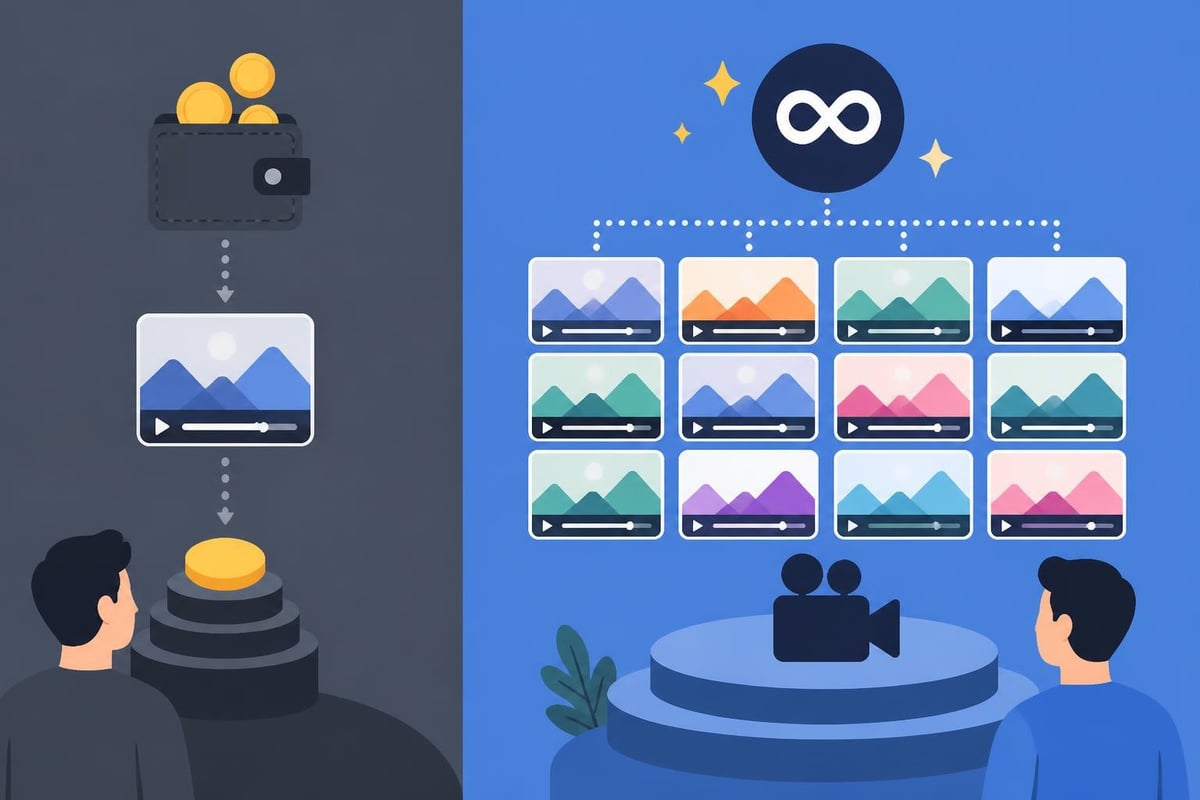
Here's where things get interesting. The editing company pricing model you choose fundamentally changes your content strategy.
Traditional per-project pricing makes you think twice before creating more content. Every video becomes a cost-benefit analysis. Should you post this vlog? Is this tutorial worth $300? That hesitation kills momentum.
The unlimited editing model flips the script entirely. When editing capacity isn't a constraint, you start thinking differently:
The psychology shift is massive. Instead of "can we afford to edit this?", the question becomes "what content will drive the most value?"
Let's run actual numbers. Say you post three videos per week across YouTube, Instagram, and TikTok:
The unlimited model becomes cheaper around video number 4-5 each month. But the real value isn't just cost savings, it's removing the mental barrier to creating more content.
A generalist editing company might be fine for basic cuts, but specialized knowledge makes content truly stand out. Business demand for video creation continues to surge, and audiences can spot generic editing a mile away.
Different content types require different editorial sensibilities:
YouTube: Pacing that maintains retention, strategic pattern interrupts, strong intro hooks, end screen optimization, and thumbnail-worthy moments built into the edit.
TikTok and Short-Form: Trend-aware transitions, text overlay timing that matches platform conventions, audio sync that feels native, and vertical formatting expertise. If you're creating short-form content, your editing company better understand current platform trends.
Instagram Reels: Hybrid approach blending polished aesthetics with authentic moments, strategic use of trending audio, and aspect ratio optimization for Stories versus Feed.
LinkedIn: Professional tone without being boring, B2B-appropriate pacing, strategic captioning for sound-off viewing, and visual credibility markers.
The editing company you choose should demonstrate platform fluency, not just technical editing skills. Check if they have case studies showing results across different platforms.
Beyond platforms, certain industries require specific editorial knowledge:
An editing company with specialized service categories can speak your language and deliver results that actually match your goals.
The AI integration in professional video editing workflows is accelerating, but not all editing companies are keeping pace. Here's what matters in 2026:
Smart auto-transcription and captioning that saves hours of manual work and improves accessibility. Modern systems should handle multiple speakers, technical terms, and brand-specific vocabulary.
AI-assisted rough cuts that identify key moments, remove dead air, and create initial assemblies. Editors then refine and add creative polish rather than starting from scratch.
Automated asset organization that tags, catalogs, and retrieves footage based on content, not just file names. Finding that B-roll from three months ago shouldn't require a archaeological dig.
Brand consistency engines that automatically apply color grading, intro/outro templates, and style preferences across all projects.
The key question: is the editing company using AI to work faster while maintaining human creative judgment, or just automating everything and hoping you won't notice?
This seems boring until you lose a project file or can't find raw footage you need to repurpose. A professional editing company should handle:
If your editing company is asking you to maintain your own Dropbox or Google Drive, they're creating administrative work you shouldn't have to handle. The best services include storage and organization as part of their core offering.
Your raw footage often contains sensitive information, unpolished moments, or proprietary content you don't want leaked. Ask any editing company about:
Here's where most editing company relationships fall apart: revisions. You requested something, they delivered something else, and now you're stuck in revision hell.
The best editing companies build revision systems that prevent this entirely:
Unlimited revisions sounds great until you realize some companies define "revision" so narrowly that basic changes count as new projects. Get clarity upfront.
Structured feedback systems where you provide timestamped comments directly on the video, not vague emails saying "make it pop more."
Revision turnaround commitments so you know whether that tweak will take 4 hours or 4 days.
Creative briefs and style guides that align expectations before editing even starts, reducing revision rounds.
Examples and references shared during onboarding so your editor understands your aesthetic preferences.
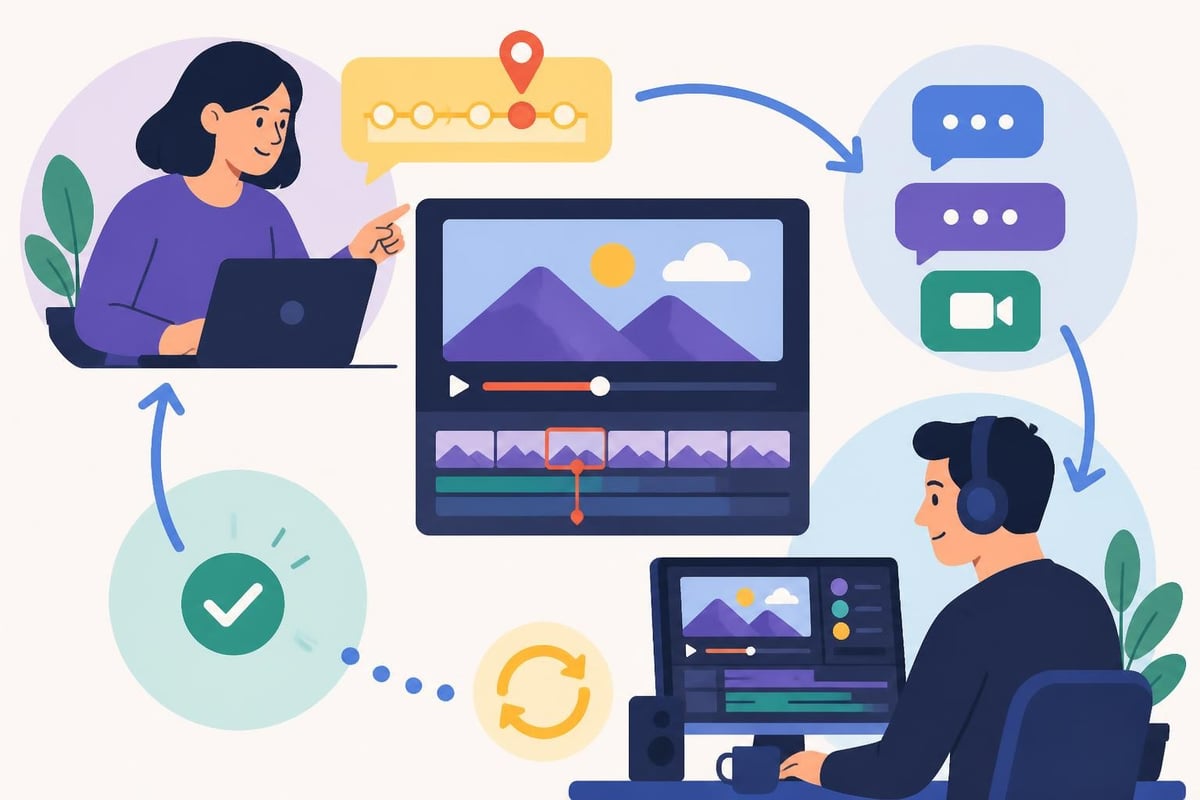
A quality editing company will invest heavily in onboarding. This isn't just paperwork, it's the foundation of your entire working relationship.
Expect a structured process that includes:
Poor onboarding leads to months of frustration. Great onboarding, like what beCreatives offers, means your second project already feels dialed in.
Not every editing company deserves your business. Here are warning signs to avoid:
Vague pricing that changes once you're committed. If they can't quote clearly upfront, they're either disorganized or planning to nickel-and-dime you later.
No sample work in your content category. A company that's edited 100 corporate training videos might struggle with fast-paced vlogs.
Poor communication responsiveness during sales. If they're slow to respond before you're a customer, imagine what service will be like after.
No clear revision policy or limits so strict that basic feedback becomes a negotiation.
Outsourced to unknown freelancers without quality control. You deserve to know who's actually editing your content.
No cultural or platform expertise specific to your niche. Generic editing rarely wins in 2026.
The ultimate test of an editing company is whether they grow with you or become a constraint.
What happens when you want to double your output? What if you add new platforms? What if your team expands and multiple people need editing support?
| Scaling Scenario | Traditional Agency | Freelancer | Unlimited Service |
|---|---|---|---|
| Double video output | Renegotiate contract | Hire second freelancer | No change needed |
| Add team members | Per-seat pricing | Complex coordination | Built-in multi-user |
| New platforms | Separate expertise | Find new specialists | Same editor adapts |
| Rush projects | Premium fees | Availability issues | Priority queue |
The right editing company model scales effortlessly. You shouldn't need to rebuild your entire content operation just because you're posting more consistently.
You've done the research, compared options, and narrowed down candidates. Here's how to make the final call:
Start with a trial project if possible. One video tells you more than ten sales calls.
Talk to actual editors, not just account managers. The person editing your content matters more than the company name.
Review real examples similar to what you'll create. Generic showreels don't tell you if they can handle your specific needs.
Evaluate the total workflow, not just editing quality. Is project submission easy? Is feedback smooth? Are revisions fast?
Consider long-term fit beyond just this month's videos. Will this editing company support your content ambitions six months from now?
The video editing market continues expanding because businesses finally understand that consistent, quality video content isn't optional anymore. Your editing company choice determines whether you're part of that growth or struggling to keep up.
Remember: an editing company isn't just a service vendor. They're a creative partner who either amplifies your vision or limits it. Choose wisely, because your content quality, posting consistency, and ultimately your business growth depend on getting this decision right.
Choosing the right editing company transforms content creation from a stressful bottleneck into a strategic advantage. When you partner with the right team, you stop worrying about deadlines and technical details and start focusing on the creative work only you can do. beCreatives offers unlimited video editing with dedicated editors, seamless communication systems, and the storage and support infrastructure that modern creators actually need, helping you create more content, stay consistently visible, and grow without burning out.
Discover how post production video editing transforms raw footage into professional content. Learn workflows, tools, and outsourcing tips.
Master video editing HD quality standards, encoding settings, and workflow best practices to deliver professional content in 2026.
Discover what makes a YouTube video editing course worth your time in 2026, plus smarter alternatives for busy creators and agencies.
Looking to hire video editor for YouTube? Discover the best hiring strategies, what to look for, and how to build a winning content team in 2026.
Discover the best music video editing software for 2026. Compare features, pricing, and workflow tools to create stunning music videos faster.
Looking for a video editing company near me? Learn how to choose the right partner, what to expect, and whether local is best in 2026.
Discover how video editing AI online is changing content creation in 2026. Explore smart tools, workflows, and what creators really need to know.
Master wedding videography editing with expert tips on storytelling, pacing, and delivery. Learn how to transform raw footage into cinematic films.
Choosing an HD video editing app in 2026? Discover features, performance tips, and how professionals handle high-definition content.
Discover the best free simple editing software for videos and photos in 2026. Compare features, learn what works, and decide when to DIY or outsource.

Editing videos yourself can take a lot of your precious time, but do not worry – we‘ve got you covered! Our highly skilled Video Editors are here to speed up the process and give you time to create more content.
What do you need edits for?


Scratch to see who you got
This is your match, not your assignment.
We confirm your editor once you subscribe.
Pick a time that works and we’ll take it from there.
Open the booking page15 minutes, free