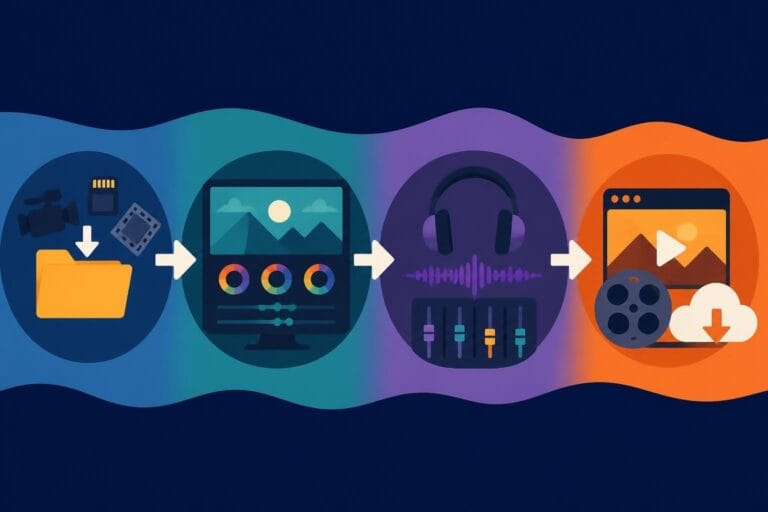
Post Production Video Editing: Complete Guide for 2026
Discover how post production video editing transforms raw footage into professional content. Learn workflows, tools, and outsourcing tips.
10 Min. ReadRead More
5 dedicated editor spots open this week. Book a call to reserve →
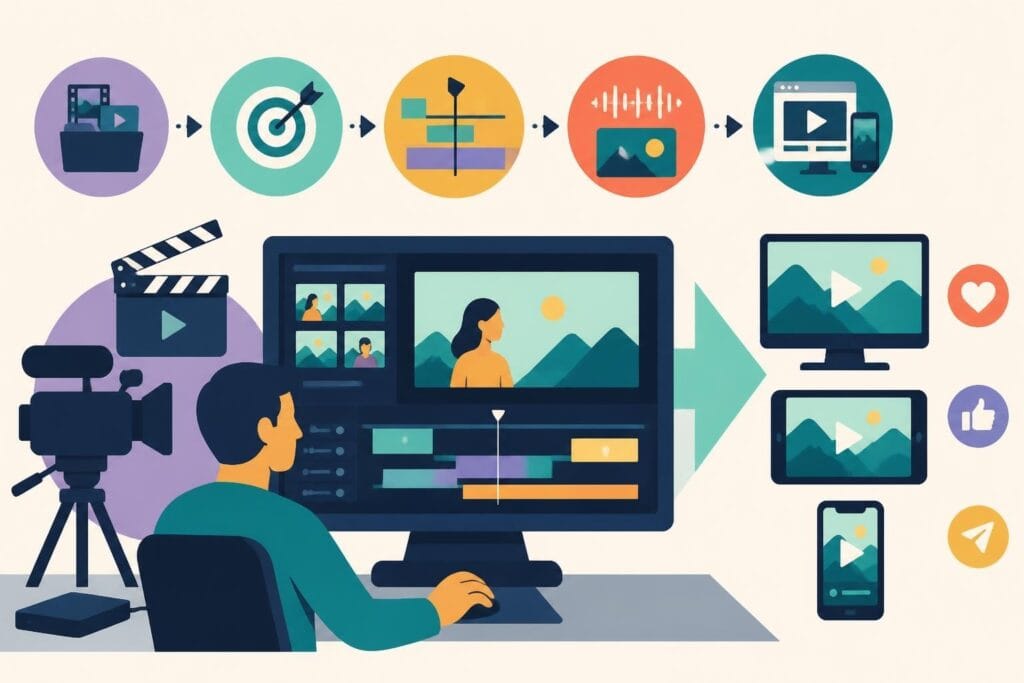
Learn how commercial video editing transforms brand content in 2026. Discover trends, workflows, and why businesses outsource editing to pros.
 Knowledge Base
August 3, 2026
Creating videos that actually sell is harder than it looks. You've got the footage, the message, and the vision – but turning raw clips into polished commercial content that converts viewers into customers? That's where commercial video editing makes all the difference. In 2026, businesses aren't just posting videos for the sake of it. They're treating every second of screen time as valuable real estate, and the editing choices behind those videos determine whether someone scrolls past or stops to buy.
Commercial video editing isn't about artistic expression or creative experimentation. It's about results. Every cut, transition, and music choice exists to serve one purpose: getting your audience to take action. Whether that's clicking "buy now," signing up for a demo, or simply remembering your brand name, commercial editing focuses on strategic storytelling that drives business outcomes.
The strategic aspects of commercial video editing revolve around understanding your audience, placement, and campaign objectives before you ever open the editing software. Unlike personal content or entertainment videos, commercial work requires editors to think like marketers first and creatives second.
Here's what sets commercial editing apart:
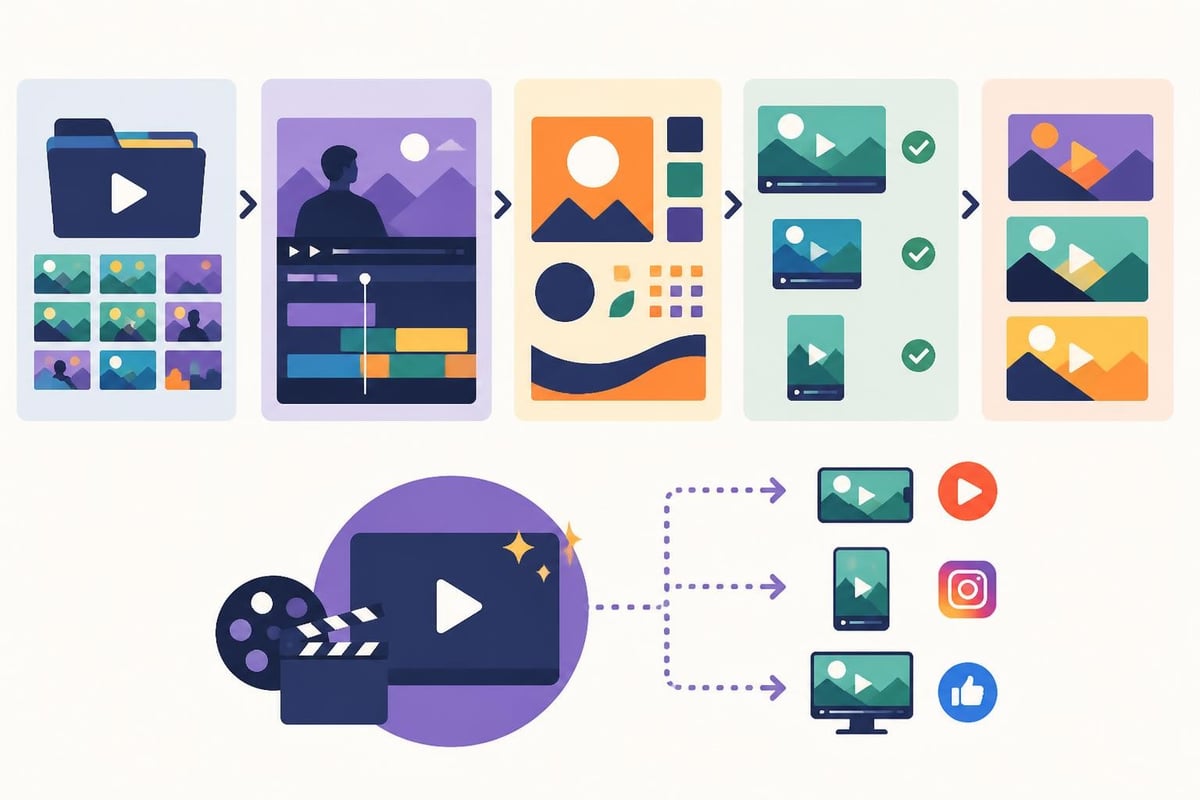
You wouldn't write your own legal contracts or design your own website backend (probably). So why are so many businesses still trying to handle commercial video editing in-house with zero training? According to current video editing industry statistics, the sector continues growing as businesses recognize that professional editing isn't a luxury – it's a necessity for competitive content.
The math is simple. Your marketing team's time costs money. If they're spending 8 hours editing a single product video when they could be planning campaigns or analyzing data, you're losing money. Professional editors work faster, deliver higher quality, and free your team to focus on what they actually do best.
The commercial video editing landscape in 2026 looks nothing like it did even two years ago. AI tools have shifted from experimental toys to essential workflow components, and trends in commercial video production for 2026 show that brands are adapting faster than ever.
Remember when horizontal video was the only "professional" option? Those days are gone. Vertical video now dominates commercial content because it matches how people actually hold their phones. Instagram Reels, TikTok, YouTube Shorts – these platforms aren't just side channels anymore. They're often the primary distribution method for brand content.
Smart businesses now shoot and edit with vertical in mind from the start. That means framing shots for 9:16, planning text overlays that work in narrow spaces, and understanding that TikTok editing requires different rhythms than traditional commercials.
| Format Type | Aspect Ratio | Best Platforms | Typical Length |
|---|---|---|---|
| Vertical | 9:16 | TikTok, Reels, Stories | 15-60 seconds |
| Square | 1:1 | Instagram Feed, Facebook | 30-90 seconds |
| Horizontal | 16:9 | YouTube, LinkedIn, TV | 30 seconds – 2 minutes |
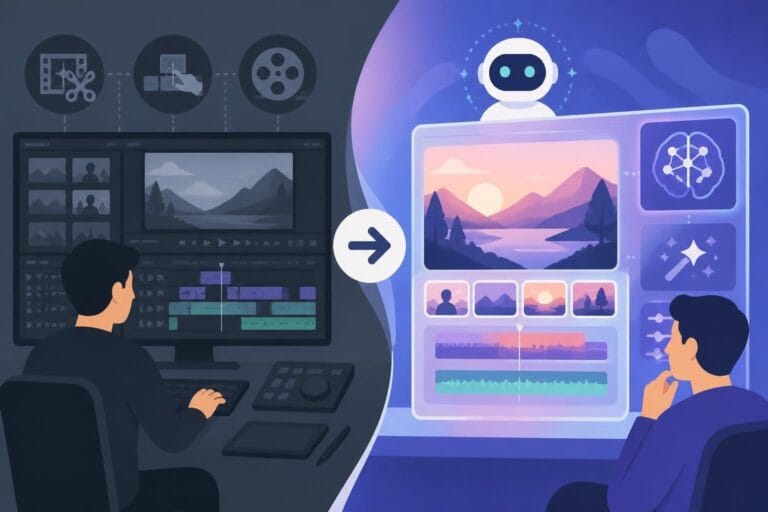
AI hasn't replaced video editors – it's made good ones even better. Business demand for AI video creation is surging because it handles the tedious parts (organizing clips, basic color correction, transcription) while humans focus on strategic storytelling.
The best commercial video editing workflows in 2026 combine AI efficiency with human creativity:
This hybrid approach means businesses get faster turnarounds without sacrificing quality. You're not choosing between speed and excellence anymore.
The biggest shift in commercial video editing? Everything now optimizes for retention. In a world where viewers scroll through hundreds of videos daily, the ones that hold attention win. Current video editing trends for 2026 emphasize techniques that keep viewers watching past the first three seconds.
Retention-first editing means:
This approach completely changes how editors structure commercial content. Traditional narrative builds don't work when viewers bounce in seconds. Now, you lead with payoff and explain context afterward.
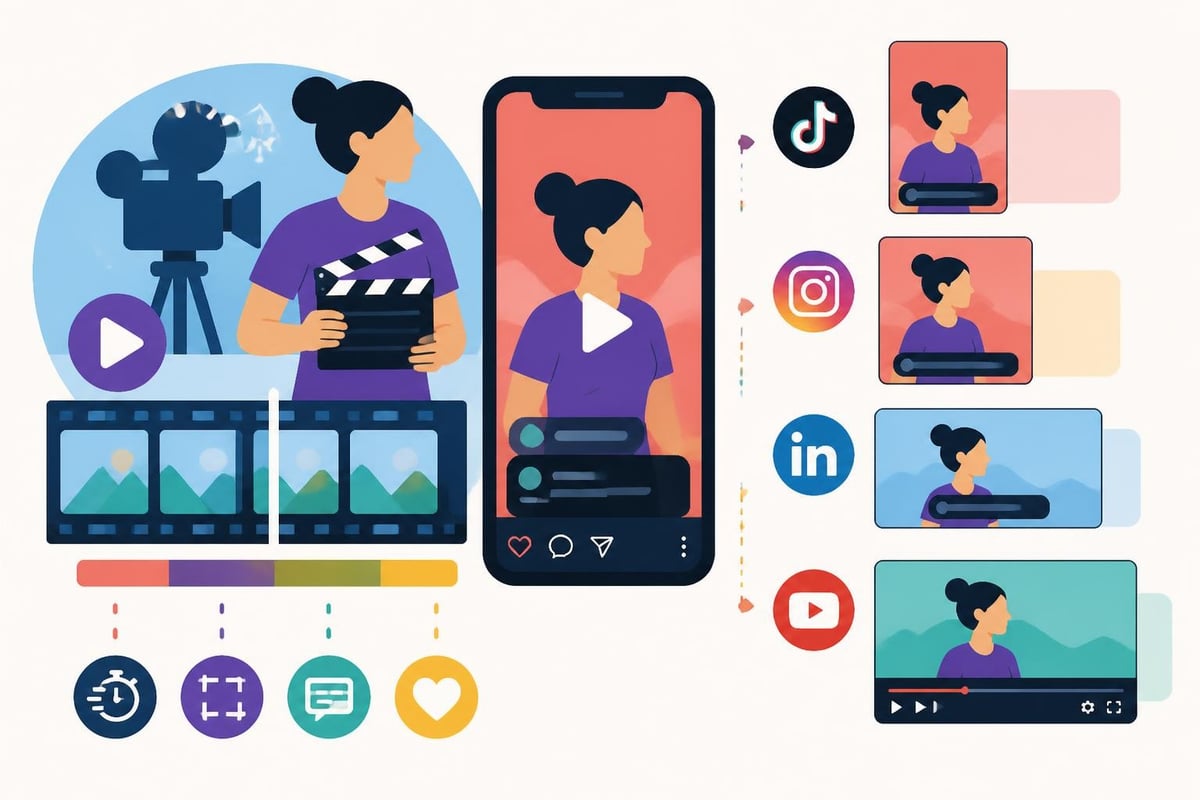
The companies winning with video content in 2026 aren't doing it by accident. They've built systematic approaches to commercial video editing that produce consistent results without constant supervision.
Great commercial editing starts before you record a single frame. When production teams shoot with editing in mind, the final product improves dramatically. This means providing editors with multiple takes, different angles, and b-roll options that give creative flexibility later.
Pre-production checklist for better editing outcomes:
When hiring professional video editors, this preparation becomes even more valuable. External teams need clear direction and organized assets to deliver quickly.
Commercial video editing requires multiple review rounds, but too many revisions kill momentum and drain budgets. The most efficient systems balance quality control with practical timelines.
| Review Stage | Who Reviews | What to Check | Typical Timeline |
|---|---|---|---|
| Draft 1 | Project lead | Story structure, messaging | 24-48 hours |
| Draft 2 | Marketing team | Brand alignment, accuracy | 24 hours |
| Draft 3 | Legal/compliance | Claims, disclosures, rights | 24-48 hours |
| Final | Leadership | Overall quality, approval | 24 hours |
The key is giving specific, actionable feedback at each stage. "Make it pop" doesn't help. "Shorten the intro to 2 seconds and add our logo at 0:15" gives editors exactly what they need.
The shift toward outsourced editing services has accelerated dramatically. Not because in-house teams can't edit – but because they shouldn't have to. Creating professional, scalable commercial videos requires specialized skills that most marketing departments don't need full-time.
Hiring a full-time video editor in 2026 costs roughly $60,000-$80,000 annually for mid-level talent, plus benefits, equipment, and software licenses. That's before considering training time, management overhead, or the fact that workload fluctuates month-to-month.
Outsourced commercial video editing flips this model. You pay for what you need, when you need it. No benefits packages, no unused capacity during slow months, no scrambling to hire freelancers when demand spikes.
Real costs to consider:
Compare that to unlimited editing services that cost a fraction of one full-time salary while providing multiple specialized editors, instant scalability, and zero management headaches.
Commercial video editing encompasses dozens of specialties. Product demos require different skills than testimonial videos. Social media ads demand different expertise than corporate presentations. Beauty video editing, for example, requires specific knowledge about skin tones, lighting enhancement, and beauty industry trends.
When you work with professional editing services, you get the right specialist for each project. Need someone who understands e-commerce product videos? They're on it. Launching a B2B campaign that needs corporate polish? Different editor, same platform, consistent quality.
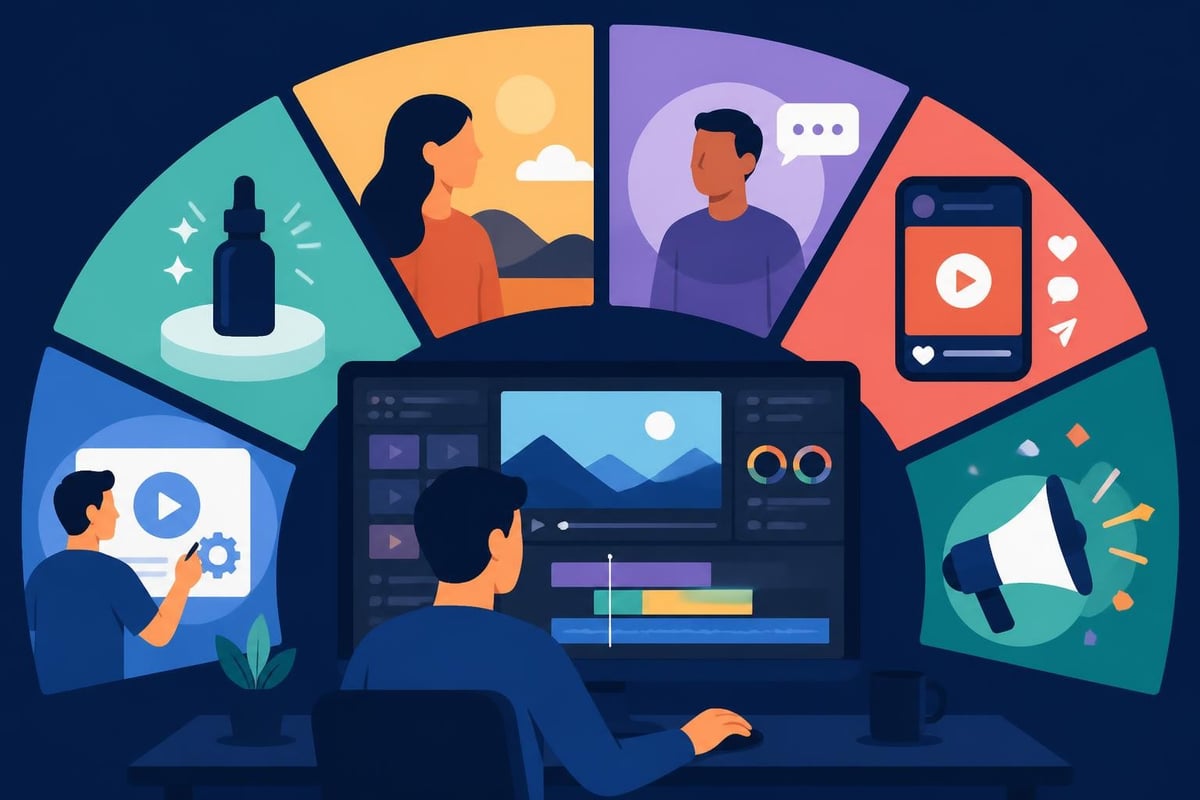
One video doesn't fit all platforms anymore. The commercial video editing process now includes creating multiple versions optimized for where they'll actually appear.
Latest trends in commercial video production show that platform-native content consistently outperforms repurposed material. That means editing specifically for each platform's culture, not just its technical specs.
Platform-specific editing considerations:
Each platform has unwritten rules about what "feels right." Commercial video editing that ignores these cultural expectations looks out of place, no matter how polished the production values.
While short-form vertical dominates social, premium platforms still matter for certain brands. Connected TV advertising has exploded, and these environments demand different editing approaches. The viewing context changes everything – someone on their couch with a remote expects different pacing than someone scrolling their phone.
For connected TV, commercial video editing returns to traditional timing (15, 30, or 60-second spots) but with modern production values. The state of B2B video editing shows increasing sophistication in how businesses approach these premium placements.
The overwhelming part of commercial video editing isn't the technical skills – it's managing the entire process. Coordinating between stakeholders, tracking revisions, maintaining brand consistency across dozens of videos, and actually getting content published on schedule.
Businesses producing regular commercial content need repeatable systems, not one-off heroics. This means creating templates, establishing approval workflows, and building libraries of brand assets that editors can access instantly.
Smart companies maintain:
These frameworks let you scale commercial video editing without chaos. New editors can jump in and maintain consistency because the guardrails exist.
Commercial video editing should drive measurable business results. That means tracking more than just views or likes. The videos that actually move the needle generate leads, sales, and revenue.
| Metric Category | What to Track | Why It Matters |
|---|---|---|
| Engagement | Watch time, completion rate | Shows if editing holds attention |
| Conversion | Click-through rate, form fills | Measures if CTA works |
| Awareness | Reach, impressions, shares | Indicates message resonance |
| Revenue | Attributed sales, ROI | Proves actual business impact |
When editing choices connect to business outcomes, you can optimize systematically. Test different opening hooks and see which converts better. Try varying CTA placement and measure results. Commercial video editing becomes scientific, not just artistic.
Looking ahead, commercial video editing will continue evolving toward greater personalization and interactivity. The future of commercial video production includes AI-powered customization that automatically adjusts messaging based on viewer data, interactive elements that let viewers choose their journey, and immersive experiences that blur the line between content and environment.
But the fundamentals stay constant: understand your audience, tell compelling stories, and make it easy for viewers to take action. Technology changes the tools, not the principles.
For businesses trying to keep up with these changes while actually running their operations, the choice becomes obvious. Partner with specialists who live and breathe commercial video editing, or fall behind competitors who've already made that leap. The companies dominating their markets in 2026 aren't necessarily the ones creating the most content – they're the ones creating the most effective content consistently.
Whether you're designing a custom home cinema experience or building a content marketing empire, video quality determines how your audience perceives your brand. Invest in commercial video editing that matches the quality of your products and services, because that's exactly how customers will judge you.
Commercial video editing has become non-negotiable for businesses serious about growth in 2026. The technical complexity, platform diversity, and strategic demands mean trying to handle it all internally just doesn't make sense anymore. If you're ready to produce consistent, high-quality commercial content without the headaches of hiring, training, and managing editors, beCreatives offers unlimited video editing with dedicated editors, seamless revisions, and unlimited storage – so you can focus on growing your business while your content actually gets finished and published.
Discover how post production video editing transforms raw footage into professional content. Learn workflows, tools, and outsourcing tips.
Master video editing HD quality standards, encoding settings, and workflow best practices to deliver professional content in 2026.
Discover what makes a YouTube video editing course worth your time in 2026, plus smarter alternatives for busy creators and agencies.
Looking to hire video editor for YouTube? Discover the best hiring strategies, what to look for, and how to build a winning content team in 2026.
Discover the best music video editing software for 2026. Compare features, pricing, and workflow tools to create stunning music videos faster.
Looking for a video editing company near me? Learn how to choose the right partner, what to expect, and whether local is best in 2026.
Discover how video editing AI online is changing content creation in 2026. Explore smart tools, workflows, and what creators really need to know.
Master wedding videography editing with expert tips on storytelling, pacing, and delivery. Learn how to transform raw footage into cinematic films.
Choosing an HD video editing app in 2026? Discover features, performance tips, and how professionals handle high-definition content.
Discover the best free simple editing software for videos and photos in 2026. Compare features, learn what works, and decide when to DIY or outsource.

Editing videos yourself can take a lot of your precious time, but do not worry – we‘ve got you covered! Our highly skilled Video Editors are here to speed up the process and give you time to create more content.
What do you need edits for?


Scratch to see who you got
This is your match, not your assignment.
We confirm your editor once you subscribe.
Pick a time that works and we’ll take it from there.
Open the booking page15 minutes, free