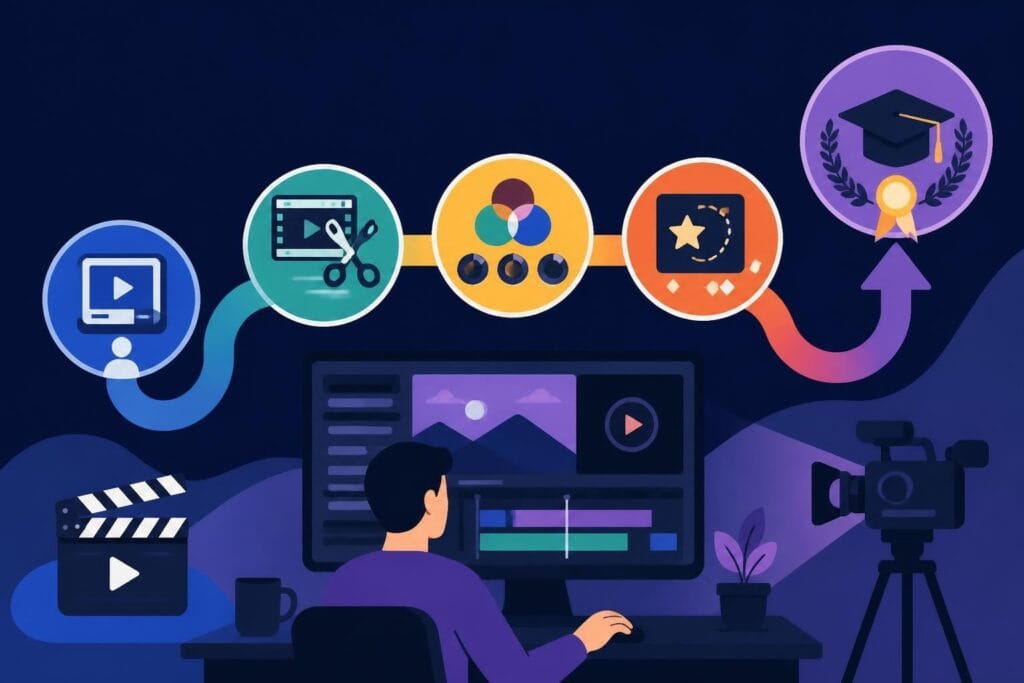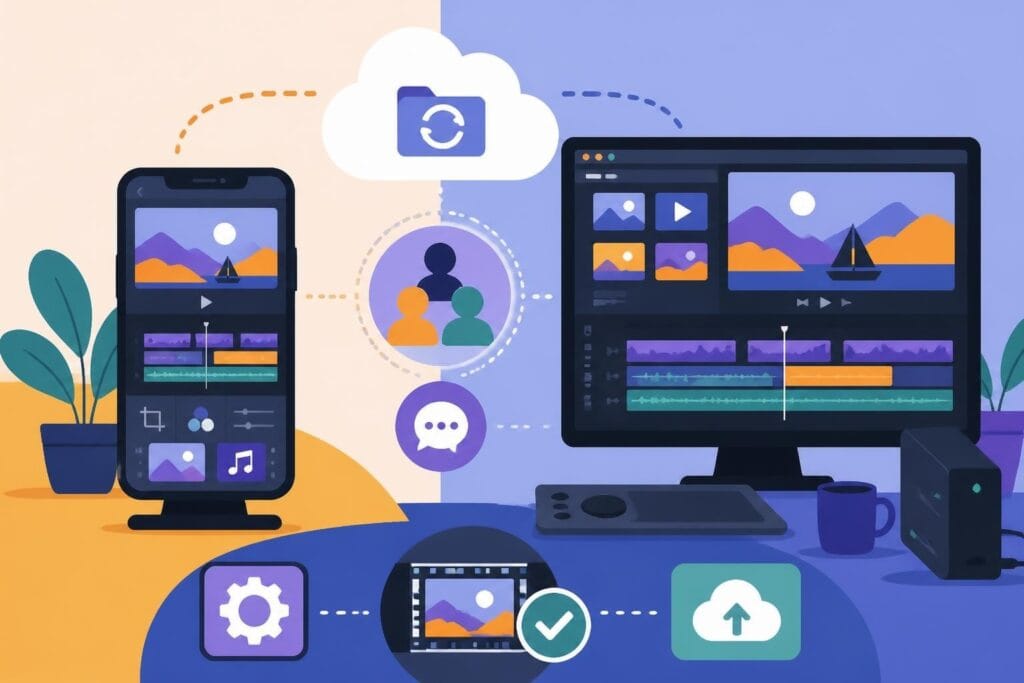
Searching for "editing studios near me" usually happens at one of two moments: either you're launching a video project and need expert hands on deck, or you're drowning in footage and realize editing is eating your entire week. Either way, finding the right editing partner can make or break your content strategy. The landscape has shifted dramatically in recent years – local brick-and-mortar studios now compete with cloud-based services, and what used to require a downtown suite can happen anywhere with a solid internet connection. Whether you're a YouTuber, agency owner, or business building a content engine, understanding your options helps you choose the path that actually moves your business forward.
What Local Editing Studios Actually Offer
When you walk into a physical editing studio, you're paying for more than just someone to cut your footage. Traditional studios invest heavily in infrastructure – professional-grade workstations, color-accurate monitors, soundproofed rooms, and licensed software suites that cost thousands annually.
Core services most studios provide:
- Multi-camera editing and synchronization
- Color grading and correction
- Sound design and audio mixing
- Motion graphics and title sequences
- Format conversion and delivery
- Archive and storage solutions
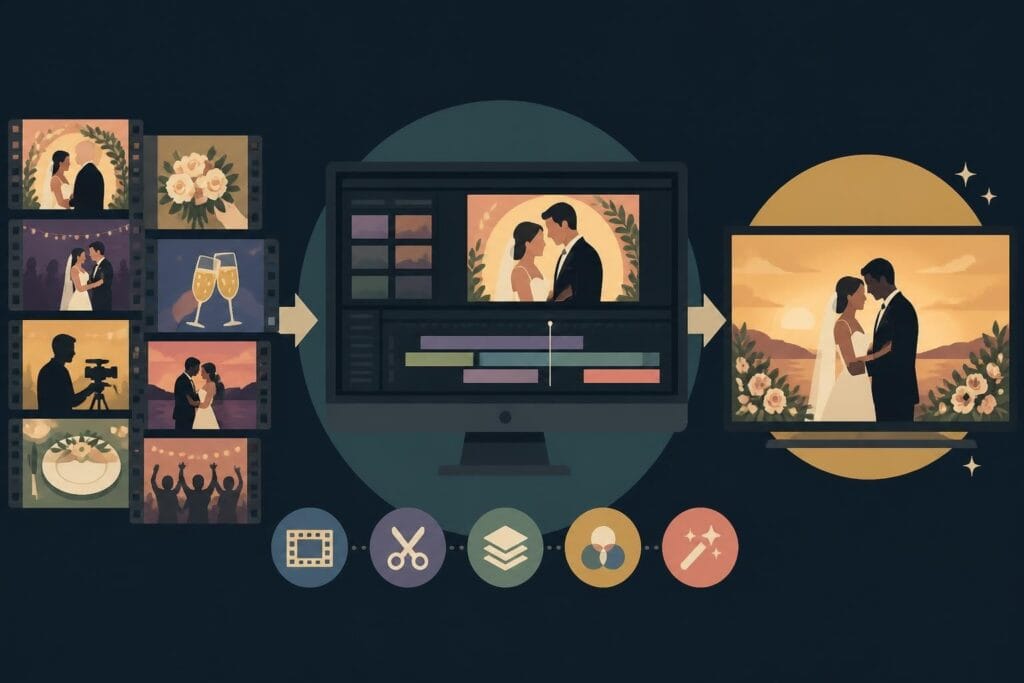
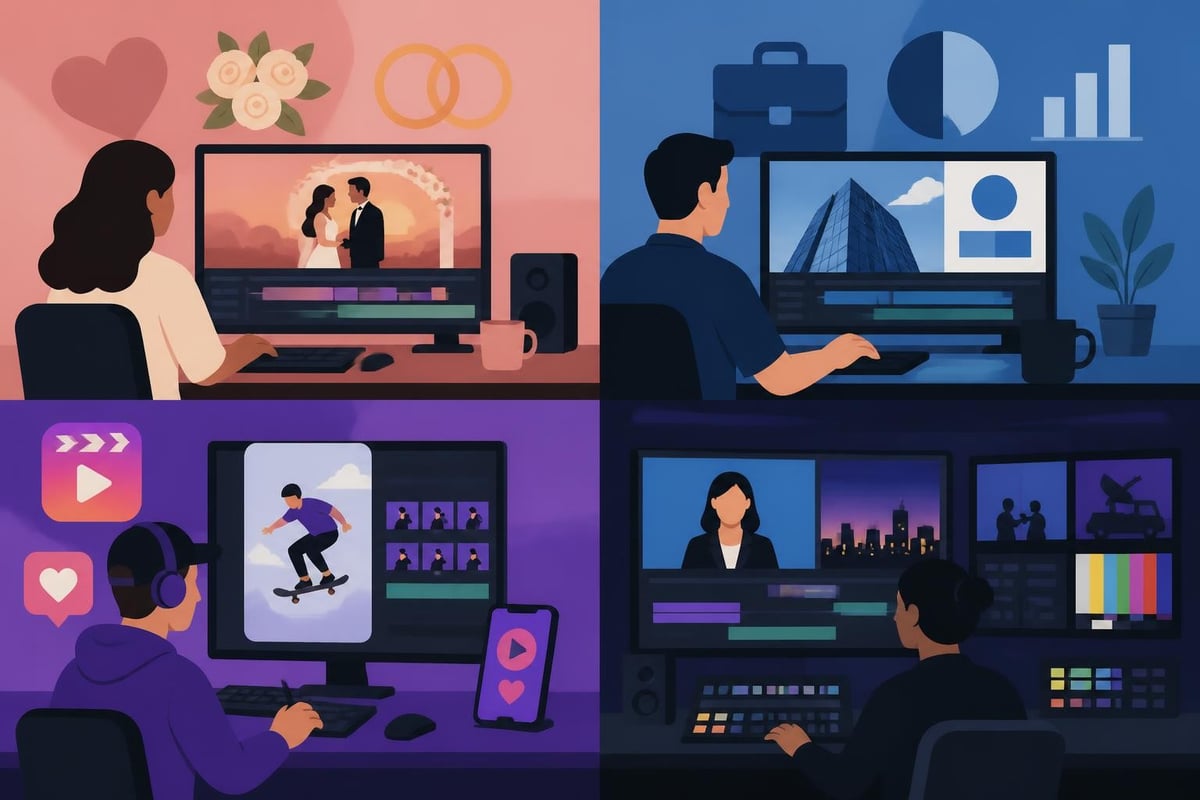
Many studios specialize in specific niches. Wedding videography studios understand the emotional beats and pacing couples expect. Corporate studios know how to translate dry information into engaging brand stories. Post-production houses serving film and television work to industry technical standards that ensure broadcast compatibility.
The real value proposition? Face-to-face collaboration and immediate feedback loops. You can sit next to your editor, point at the screen, and adjust on the fly. For complex projects requiring constant creative input, that proximity matters.
The True Cost of Editing Studios Near Me
Pricing varies wildly based on geography, studio reputation, and project scope. A small-town studio might charge $50-$75 per hour, while metropolitan post-production houses command $150-$300+ per hour for specialized work.
| Studio Type | Hourly Rate Range | Typical Project Minimum |
|---|---|---|
| Freelance/Home Studio | $40-$100/hour | 2 hours |
| Mid-Tier Local Studio | $75-$150/hour | 4 hours |
| High-End Post House | $150-$400/hour | 8 hours |
| Broadcast/Commercial | $200-$500/hour | Full day |
Most studios also offer project-based pricing. A 3-minute promotional video might run $800-$2,500 depending on complexity. Wedding videos often cost $1,200-$3,500 for full edits with multiple cameras and audio sweetening.
Here's what most people miss: hourly rates don't tell the complete story. A slower editor at $75/hour might take six hours on a project a more experienced editor finishes in three at $125/hour. You're paying for expertise and efficiency, not just time.
Studios also build in overhead costs you don't see on the invoice – rent, equipment depreciation, software licenses, insurance, utilities. When you compare video editing prices across different service models, factor in what's actually included.
How to Evaluate Editing Studios in Your Area
Google "editing studios near me" and you'll get dozens of results. Narrowing them down requires knowing what questions separate pros from pretenders.
Start with portfolio review. Any legitimate studio showcases recent work online. Watch for:
- Technical quality (smooth cuts, color consistency, clean audio)
- Pacing that matches the content type
- Creative choices that enhance the story
- Variety demonstrating they can handle different styles
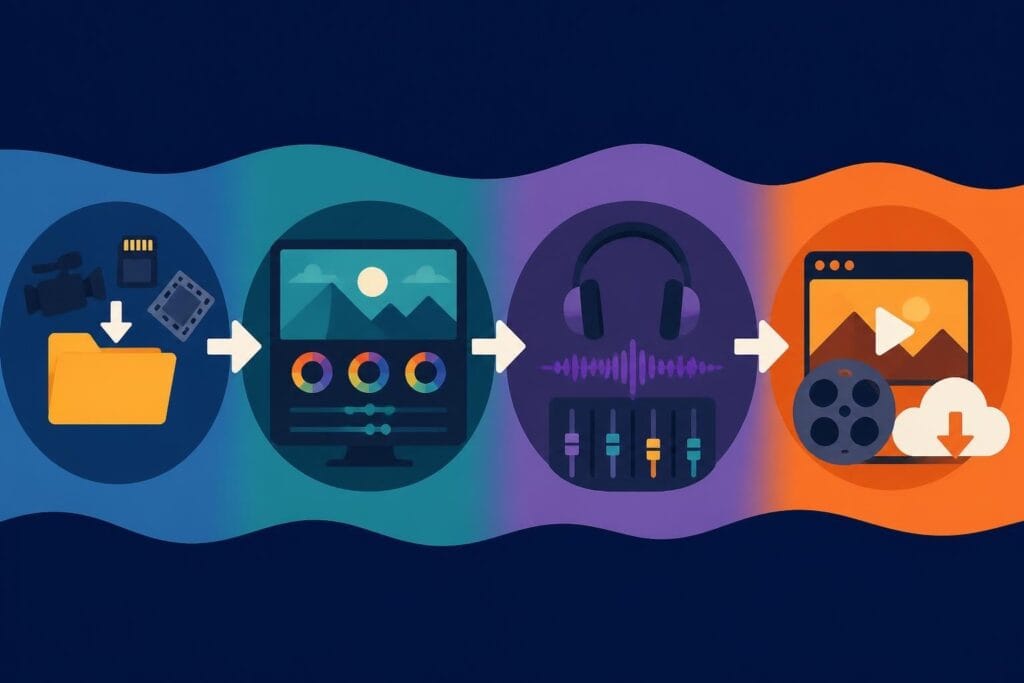
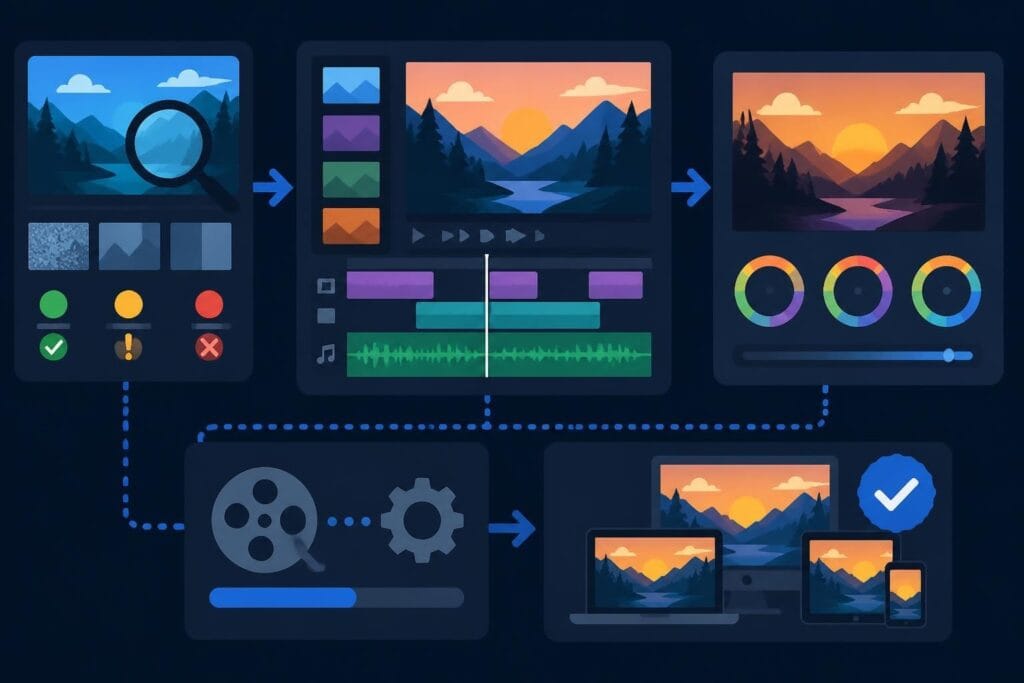
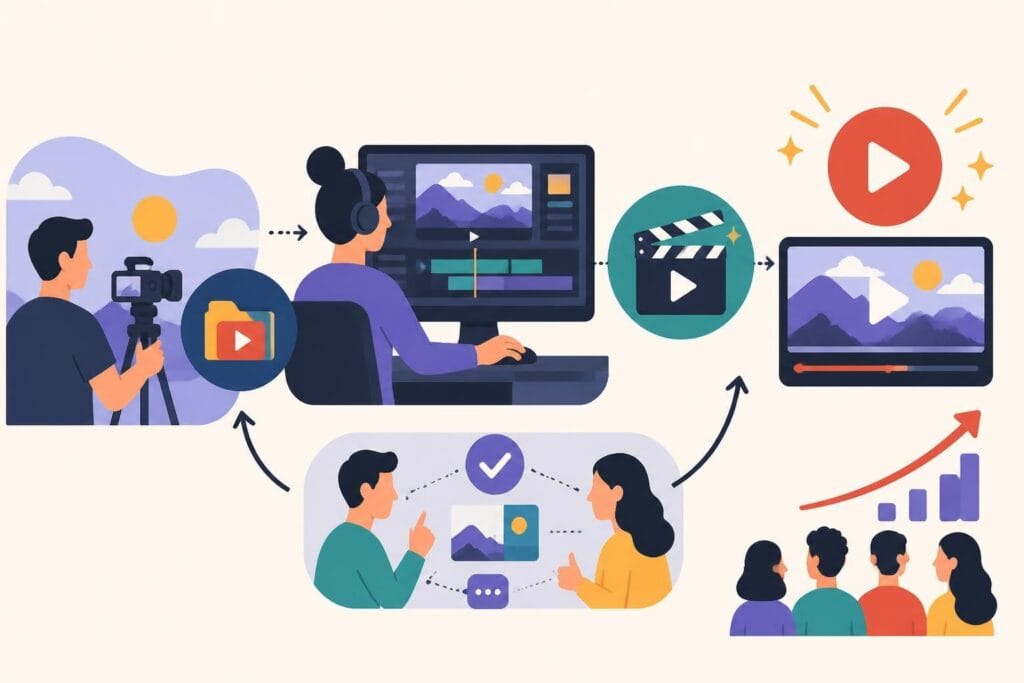
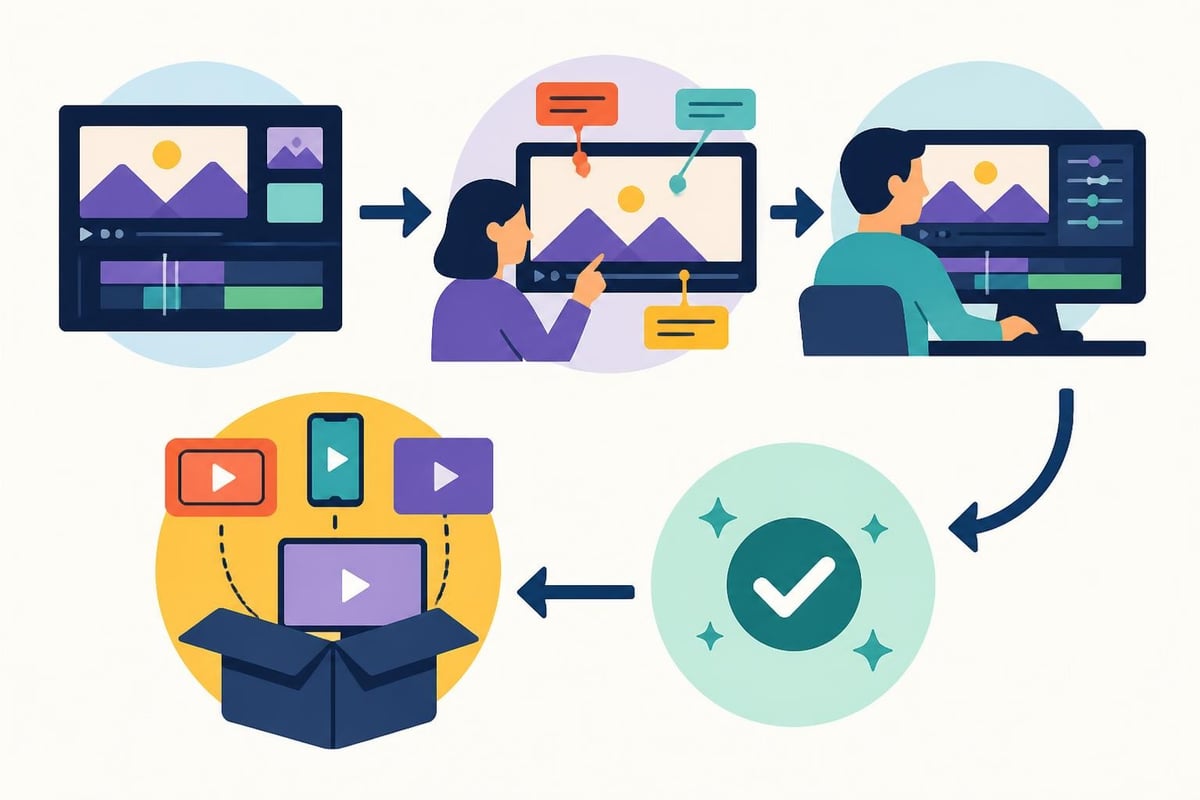
Ask about their editing workflow. Professional studios use standardized post-production processes that include clear review stages, version control, and backup protocols. They should explain how you'll submit footage, review cuts, and request revisions without confusion.
Communication and Revision Policies
This is where many creators get burned. Studios handle revisions differently – some include two rounds in their base price, others charge for every change beyond the first pass.
Critical questions to ask upfront:
- How many revision rounds are included?
- What's the turnaround time between versions?
- How do you handle rush projects?
- What file formats do you deliver?
- How long do you keep project files?
The best studios document everything. They'll send revision notes with timestamps, maintain organized project folders, and keep archives so you can request changes months later without starting from scratch.
Communication style matters too. Will you work with the same editor throughout, or do projects get passed around? How do they handle creative disagreements? Studios that treat you like a partner rather than a transaction generally deliver better results.
Technology and Equipment Standards
Walk into a professional studio and you'll likely see DaVinci Resolve color-grading workstations, Adobe Premiere Pro timelines, or Avid Media Composer setups. The software matters less than whether they're proficient in it.
What matters more:
- Color-calibrated monitors that show accurate colors
- Backup systems protecting your footage from hardware failure
- Storage infrastructure handling 4K and higher resolution files
- Audio monitoring catching issues consumer headphones miss
Some studios now offer remote collaboration workflows using cloud review platforms. You upload footage, editors work their magic, and you review cuts through browser-based tools with frame-accurate commenting. This bridges the gap between local studios and fully remote services.
Ask about their archive policy. Good studios maintain project files for 6-12 months minimum. Great ones keep them indefinitely with clear retrieval processes. You don't want to recreate everything if you need to update a video next year.
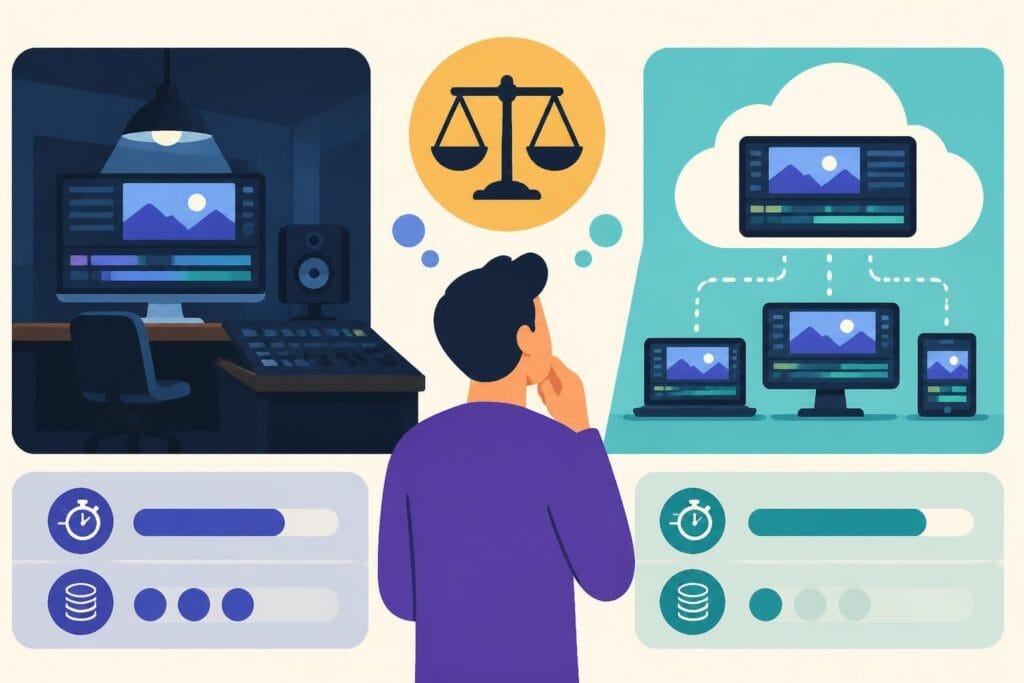
When Local Studios Make Sense (And When They Don't)
Certain projects genuinely benefit from in-person studio work. High-budget commercials requiring precise color matching to brand guidelines. Documentary films needing collaborative story structure decisions. Live event coverage demanding quick turnarounds with on-site editing.
Local studios shine when:
- Creative direction evolves through conversation
- You're working with multiple stakeholders who need to attend reviews
- Technical requirements exceed standard video specs
- Confidentiality requires air-gapped systems
- Archival and long-term storage are critical
But here's the reality check most creators need: if you're producing regular content for YouTube, social media, or digital marketing, proximity rarely matters. The overhead costs studios charge to maintain physical locations don't improve your videos – they just make them more expensive.
Modern content creation demands speed and volume. You need editors who understand platform-specific requirements, can turn around projects in days (not weeks), and won't charge you $200/hour to add captions to an Instagram Reel.
| Factor | Local Studio | Cloud-Based Service |
|---|---|---|
| Cost per video | $500-$2,000+ | Often flat monthly rate |
| Turnaround time | 5-14 business days | 24-72 hours typical |
| Communication | In-person + email | Asynchronous platform |
| Revision flexibility | Limited rounds | Often unlimited |
| Storage | Limited/extra fees | Usually unlimited |
This is where services built for modern creators – like platforms offering unlimited video editing – change the equation entirely. You're not paying for conference rooms or fancy lobby furniture. You're paying for what actually matters: skilled editors, fast turnarounds, and systems designed around content velocity.
The Rise of Unlimited Remote Editing Services
Search for "editing studios near me" and you're assuming geography matters. For most creators in 2026, it doesn't. The same internet connection letting you upload to YouTube lets you collaborate with editors anywhere.
Cloud-based editing platforms offer:
- Dedicated editors learning your brand voice and style preferences
- Unlimited revisions without nickel-and-diming every change
- Storage that scales with your content production
- Workflow tools purpose-built for content creators, not film studios
Traditional studios charge per project because their business model requires it. They have fixed costs and limited capacity. Remote services built on subscription models flip that dynamic – you pay monthly for access rather than per-video for output.
For agencies managing multiple clients or creators publishing daily, the math becomes obvious. Three videos per week at a local studio might cost $6,000-$9,000 monthly. An unlimited editing service costs a fraction of that with faster turnarounds.
The catch? You give up in-person interaction. But here's what most people discover after trying both: asynchronous communication actually works better for content creation. You record detailed feedback when reviewing cuts, editors implement changes without meetings eating everyone's calendar, and projects move forward 24/7 instead of only during studio hours.
Specialized Editing for Content Creators
Different content types need different expertise. Wedding videography editing requires emotional storytelling and music synchronization. Sports video editing demands action highlight sequencing and dynamic pacing. Social media content needs platform-specific formatting and captions.
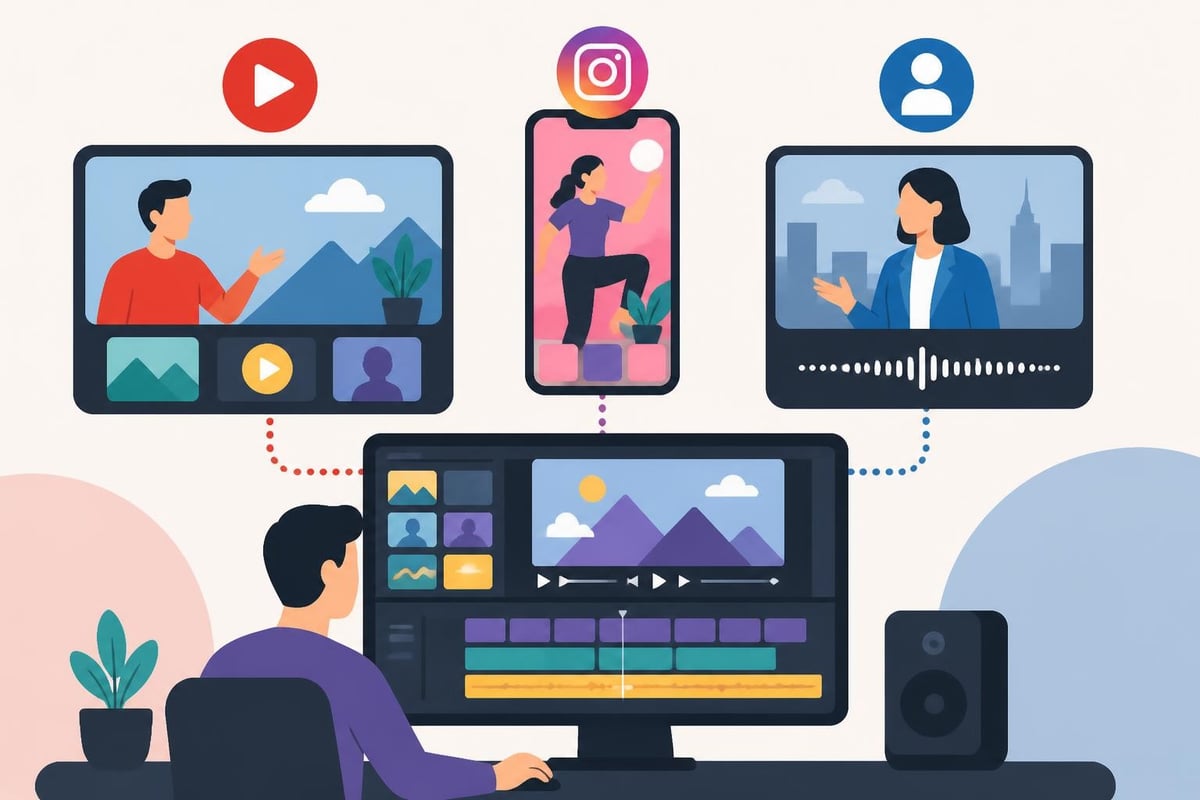
Local studios often specialize in one or two areas. They're great at what they do but awkward with formats outside their wheelhouse. Cloud platforms serving diverse creators build expertise across every major content type because they're editing thousands of videos monthly across all categories.
That variety creates better editors. Someone cutting corporate testimonials, creator vlogs, and e-commerce ads in the same week develops versatile skills that translate to any project style.
Rights, Licensing, and Deliverables
One often-overlooked aspect of working with any editing service: who owns what when the project ends? Professional studios should provide clear contracts addressing copyright and licensing considerations for both your footage and the final edited work.
Clarify these points before signing anything:
- Do you receive the project files or just the exported video?
- Can you re-edit the content later with a different provider?
- Who owns motion graphics and custom animations created for your project?
- What music licensing is included (or are you responsible)?
- Are there usage restrictions on the final deliverables?
Most reputable services give you complete ownership of final videos with project files available on request. Music libraries should be properly licensed – beware of studios using unlicensed tracks that could trigger copyright claims down the line.
Delivery formats matter too. You should receive multiple versions optimized for different platforms. A single 1080p MP4 doesn't cut it when you need 4K for YouTube, square crops for Instagram, and accessible versions with captions for broader reach.
Making the Decision That Fits Your Workflow
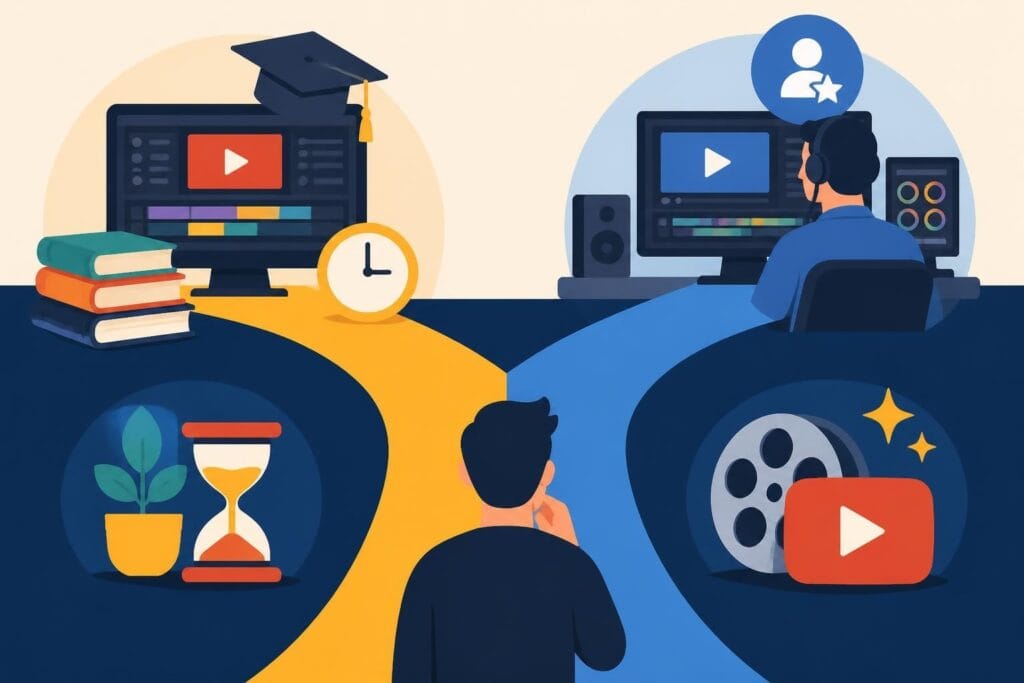
Choosing between local studios and remote services ultimately depends on your content strategy and production volume. Someone creating one polished video quarterly has different needs than a creator publishing three videos weekly.
Ask yourself:
- How many videos do I need per month?
- What's my total monthly editing budget?
- Do I need in-person collaboration or would faster async work better?
- Am I editing one-off projects or building a consistent content library?
- How important is platform-specific expertise versus general editing skill?
High-volume creators almost always benefit from unlimited editing models. The per-video cost drops dramatically, editors become familiar with your brand requirements, and you stop playing project-management ping-pong with freelancers who disappear mid-project.
Lower-volume producers with complex projects might prefer project-based studio relationships – especially if the work involves extensive color grading, audio mixing, or visual effects beyond standard cutting and pacing.
Geographic convenience matters less than workflow compatibility. A local studio requiring in-person reviews twice weekly doesn't work if you're traveling constantly. A remote service with 48-hour turnarounds feels more "local" when you're moving fast.
Industry Trends Reshaping Post-Production
Professional associations and roundtable discussions among post-production professionals reveal consistent themes: decentralization, specialization, and speed are reshaping how editing services operate.
Physical studios aren't disappearing, but they're evolving. Many now offer hybrid models – remote editing for standard projects with studio access available for complex color sessions or collaborative story development. The all-or-nothing approach (either pay for full studio access or DIY everything) is fading.
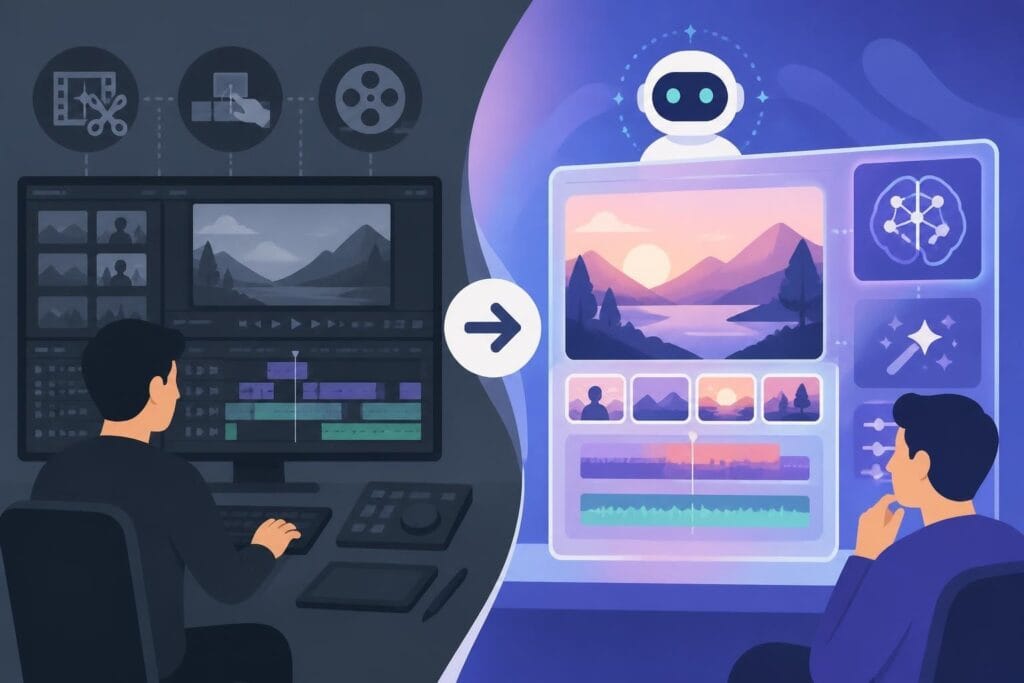
AI-assisted editing tools are also changing expectations. Automated transcription, scene detection, and rough-cut assembly mean professional editors spend less time on mechanical tasks and more time on creative decisions. That efficiency should benefit clients through faster turnarounds and better creative output.
What hasn't changed: good editing still requires human judgment. Software can identify scene changes but can't tell a compelling story. Tools can suggest cuts but don't understand pacing, emotion, or brand voice. The editor's expertise remains the core value.
What Success Actually Looks Like
At the end of the day, the right editing partner – whether a studio down the street or a remote service across the country – delivers three things consistently:
Quality that matches your vision. Videos look professional, sound clean, and accomplish their intended goal without you micromanaging every frame.
Speed that supports your publishing schedule. Turnarounds align with your content calendar, not the editor's availability two weeks from now.
Systems that reduce your cognitive load. You upload footage, provide clear feedback, and receive finished videos without constant follow-ups, confusion about file formats, or wondering whether your project got lost.
Creators who've found their editing groove report the same result: video stops being a bottleneck and becomes an asset. Instead of avoiding video because editing takes forever, they lean into it because the process actually works.
Real success stories show what's possible when editing logistics disappear and you can focus on content strategy instead. That's the benchmark every editing relationship should meet.
Finding the right editing partner isn't about proximity – it's about workflow compatibility, consistent quality, and systems that actually support your content goals rather than complicate them. Whether you choose a local studio or embrace remote collaboration, the metric that matters is simple: does this relationship help you create more, stress less, and grow your audience? If you're ready to stop hunting for "editing studios near me" and start working with dedicated editors who understand modern content creation, beCreatives offers unlimited editing designed for creators, agencies, and businesses that need reliable, high-quality video output without the overhead or headaches of traditional studio models.