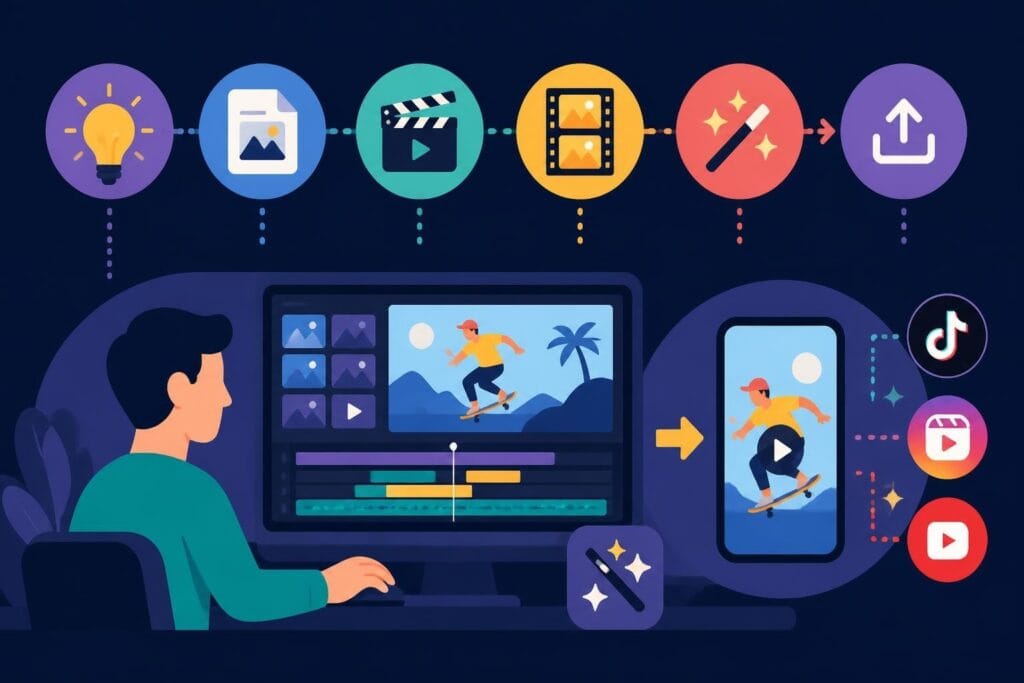
Creating videos for Facebook in 2026 isn't just about hitting record and hoping for the best. With over 2.9 billion active users scrolling through their feeds daily, your video content needs to stop thumbs, hold attention, and drive results. Whether you're a solopreneur building your personal brand, a marketer crafting campaigns, or an agency managing multiple clients, choosing the right facebook video editor and workflow can make or break your social media strategy. The good news? You don't need a film degree or expensive software to create scroll-stopping content. You just need the right approach, tools, and maybe a little help along the way.
What Makes a Great Facebook Video Editor in 2026
Not all video editing tools are created equal, especially when it comes to Facebook's specific requirements and audience behavior. A great facebook video editor needs to handle the platform's unique specs while keeping your workflow fast and efficient.
Platform-Specific Requirements You Can't Ignore
Facebook has strict video specifications that directly impact how your content performs. According to Sprout Social’s comprehensive video specs guide, getting these details right from the start saves you from frustrating re-uploads and quality issues.
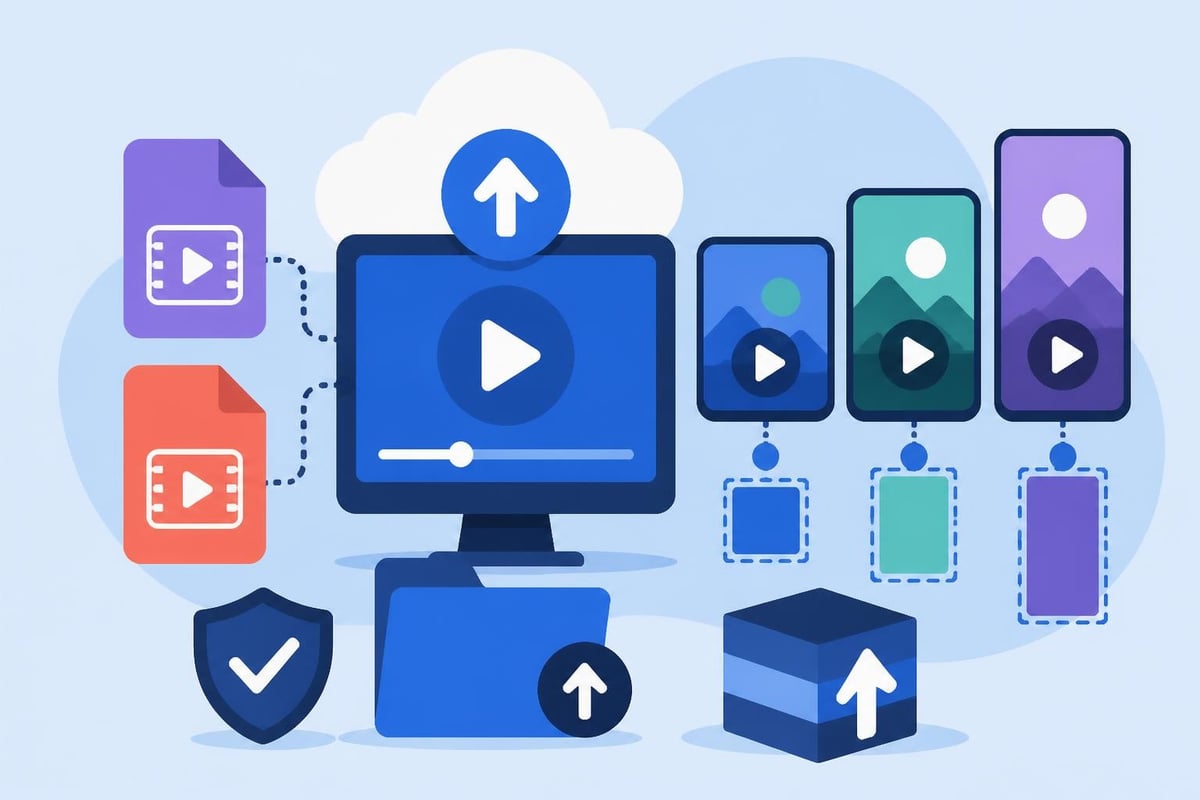
Here's what your facebook video editor needs to handle:
- Video formats: MP4 and MOV work best, with H.264 compression
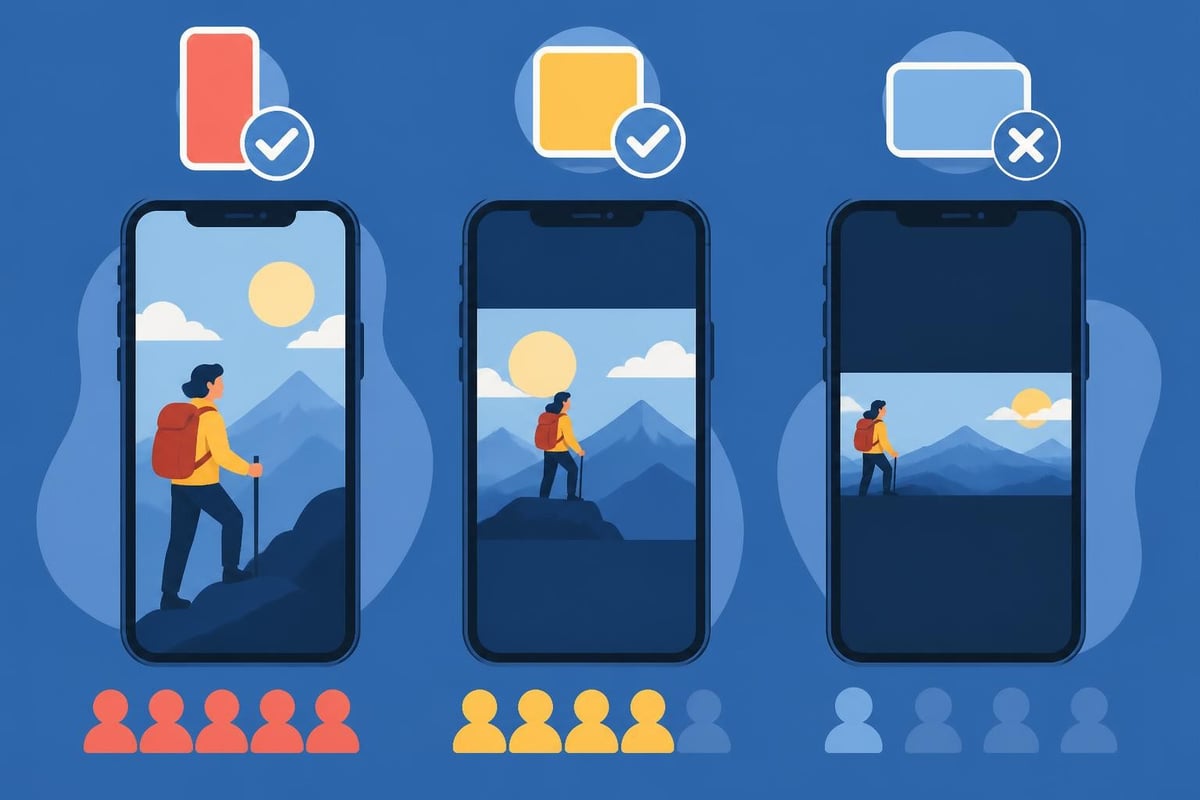
- Aspect ratios: Square (1:1), vertical (4:5 or 9:16), and landscape (16:9)
- File size limits: Up to 10GB for most videos
- Length requirements: 1 second minimum, 240 minutes maximum
- Resolution: At least 1080p for professional quality
The catch? Most generic editing tools don't optimize for these specs automatically. You're left manually adjusting settings, exporting multiple versions, and crossing your fingers that the quality holds up after Facebook's compression.
Built-In Facebook Tools vs. Professional Editing Software
Facebook offers its own built-in editing features, and they're honestly pretty basic. PostBase’s guide on editing Facebook videos walks through the native options available directly on the platform.
What Facebook's built-in editor offers:
| Feature | What You Can Do | Limitations |
|---|---|---|
| Trimming | Cut start/end points | No multi-clip editing |
| Text overlays | Add captions manually | Time-consuming, limited fonts |
| Filters | Apply basic color adjustments | Few creative options |
| Music | Add from Facebook library | Limited selection, licensing restrictions |
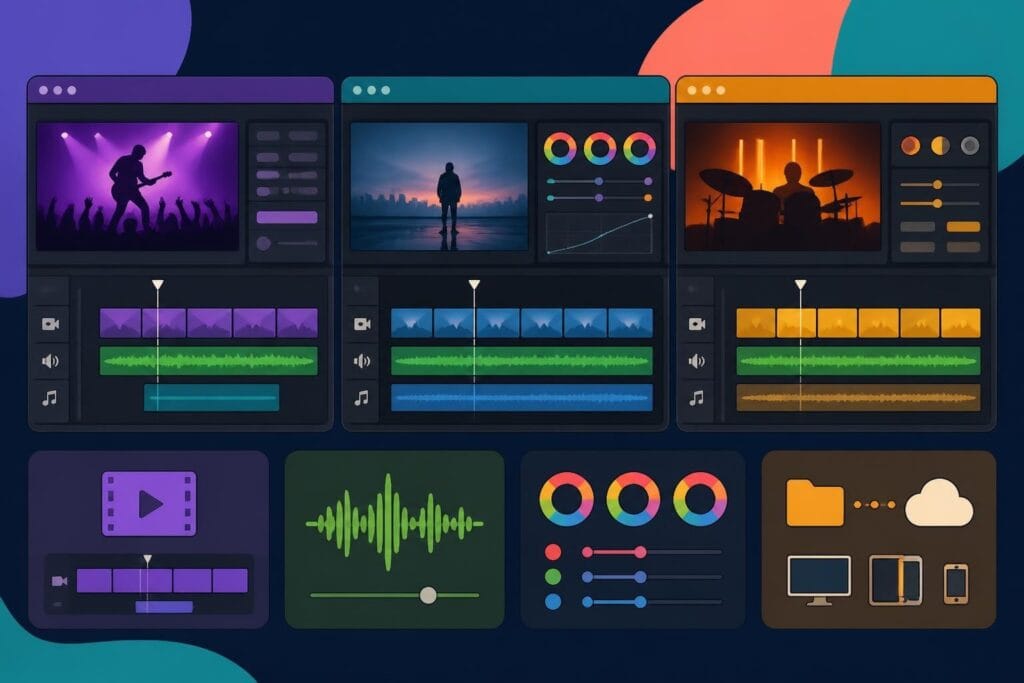
These tools work fine for quick fixes. But if you're serious about creating content that converts, you need more firepower. Professional facebook video editor software gives you multi-track editing, advanced color grading, motion graphics, and the ability to create templates for consistent branding.
The question isn't whether professional tools are better. It's whether you have the time and energy to learn them, use them, and still run your business.
Creating Videos That Actually Perform on Facebook
Understanding technical specs is one thing. Creating videos that people actually watch and engage with? That's where strategy meets execution.
Designing for Silent Viewing
Here's a stat that changes everything: 85% of Facebook videos are watched without sound. Your facebook video editor workflow needs to account for this from day one.
Brandwatch’s analysis of Facebook video ads emphasizes that the first 3 seconds determine whether someone keeps watching or scrolls past. Without audio, you need visual hooks that grab attention immediately.
Essential elements for sound-off viewing:
- Burned-in captions that make your message clear without audio
- Visual storytelling through graphics, text overlays, and dynamic editing
- Opening hooks that communicate value in the first frame
- Bold text that's readable on mobile screens (where 98% of Facebook users watch videos)
This is where professional short-form video editing makes a massive difference. Adding captions isn't just typing words on screen. It's timing, styling, positioning, and making sure every frame communicates your message clearly.
Mobile-First Video Strategy
Your viewers aren't watching on cinema screens. They're scrolling on phones during commutes, lunch breaks, and those precious minutes before bed. Cybertegic’s best practices for Facebook videos highlight that mobile optimization isn't optional anymore, it's mandatory.
What mobile-first editing looks like:
- Vertical or square formats that fill the screen
- Larger text sizes (minimum 40pt for readability)
- Clear focal points in the center of the frame
- Quick cuts to maintain attention spans
- Strong visual contrast for outdoor viewing
Your facebook video editor needs to preview how content looks on actual mobile devices, not just desktop monitors. That slick landscape video might look gorgeous on your computer but cramped and hard to read on a phone screen.
Advanced Editing Techniques for Better Engagement
Once you've nailed the basics, these advanced strategies separate amateur content from scroll-stopping videos that drive real results.
Aspect Ratio Strategy by Content Type
Different content types perform better with specific aspect ratios. Your facebook video editor should make it easy to repurpose content for multiple formats without starting from scratch.
| Content Type | Best Aspect Ratio | Why It Works |
|---|---|---|
| Product demos | 1:1 (Square) | Maximizes feed space, works in all placements |
| Stories/Reels | 9:16 (Vertical) | Full-screen mobile experience, immersive |
| Tutorials/Webinars | 16:9 (Landscape) | Familiar format, good for detailed content |
| Testimonials | 4:5 (Vertical) | Takes up more feed space than landscape |
The smartest approach? Edit once in vertical format, then adapt. Most professional workflows start with 9:16 and crop down to square or landscape as needed. This saves massive amounts of time compared to editing each version separately.
Optimizing for Facebook's Algorithm
Facebook's algorithm favors videos that keep people on the platform longer. Research on optimal posting strategies shows that engagement patterns directly impact content distribution.
What the algorithm loves:
- High retention rates (people watching 50%+ of your video)
- Engagement within the first hour (comments, shares, reactions)
- Native uploads rather than shared YouTube links
- Longer watch times (but only if people actually keep watching)
Your facebook video editor workflow should prioritize creating tight, engaging content over long, meandering videos. A 45-second video with 80% average watch time beats a 5-minute video where people drop off after 30 seconds.
Creating Consistent Brand Templates
Here's where professional editing really shines. Building templates for intros, outros, lower thirds, and transitions means you're not reinventing the wheel every single time you create content.
Templates accelerate your workflow by:
- Maintaining visual consistency across all videos
- Reducing decision fatigue about fonts, colors, animations
- Making it easy to hand off projects to team members
- Speeding up the editing process by 60-70%
But here's the thing, creating these templates takes specialized knowledge and time. Most business owners don't have either. That's exactly why unlimited video editing services have become game-changers for busy entrepreneurs and agencies who need consistent output without the learning curve.
Common Facebook Video Editing Mistakes to Avoid
Even with the best facebook video editor, certain mistakes can tank your results. Let's talk about what not to do.
Over-Editing and Under-Delivering
There's a sweet spot between polished and authentic. Over-produced videos can feel disconnected from your audience, while sloppy editing makes you look unprofessional.
Signs you're over-editing:
- Transitions every 3 seconds that distract from your message
- So many effects and graphics that viewers don't know where to look
- Perfect, sterile content that lacks personality and relatability
- Editing time that exceeds the actual video length by 10x
Signs you're under-editing:
- Long pauses and "ums" that kill pacing
- Inconsistent audio levels that make viewers adjust volume constantly
- Shaky footage that could easily be stabilized
- No captions for accessibility and silent viewing
The solution isn't finding perfect balance yourself. It's working with editors who understand your brand voice and can make those judgment calls quickly. Check out real results from beCreatives’ client testimonials to see how the right editing partner transforms content.
Ignoring Video Performance Data
Your facebook video editor is just the production tool. The real magic happens when you analyze what's working and adjust accordingly.
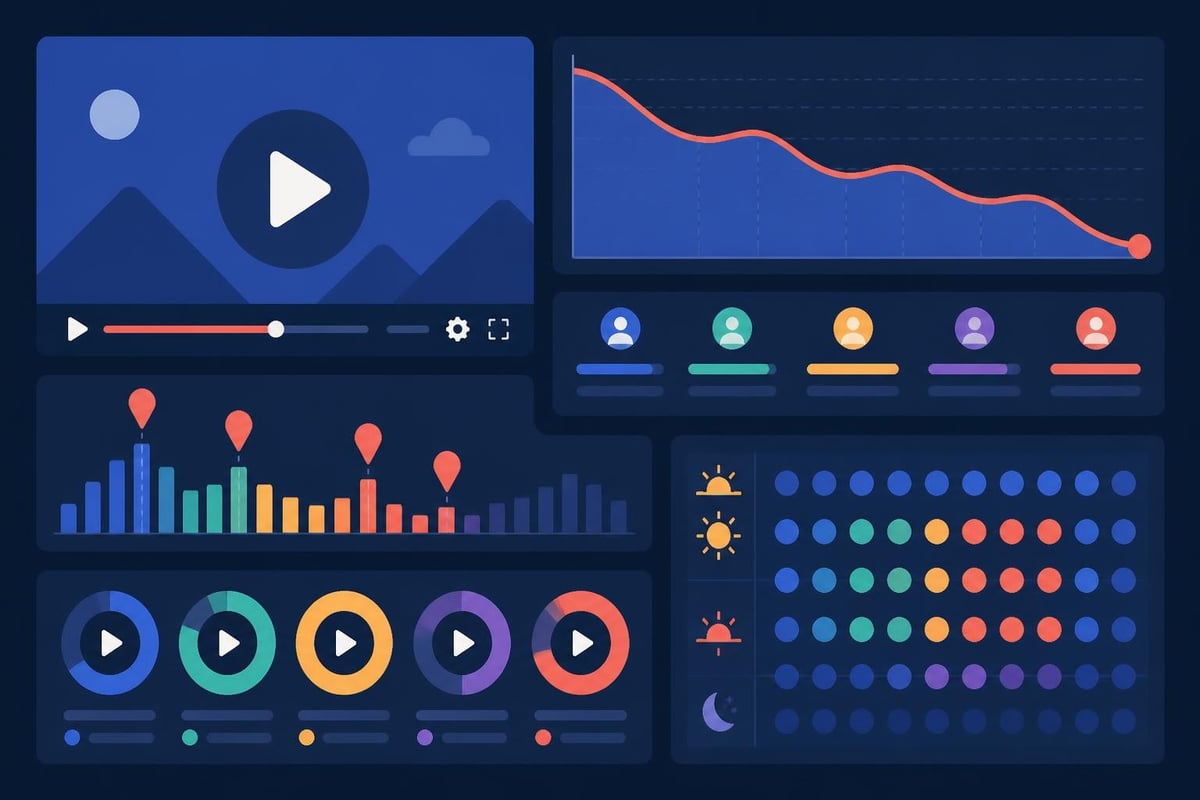
Facebook's native analytics show you:
- Average watch time and where people drop off
- Engagement rates by video section
- Audience demographics who engage most
- Traffic sources (organic vs. paid vs. shares)
Use this data to inform your next videos. If people consistently drop off at 15 seconds, your hook isn't strong enough. If engagement spikes when you show behind-the-scenes content, make more of that. Your facebook video editor workflow should evolve based on real performance, not gut feelings.
Scaling Your Facebook Video Production
Creating one great video is manageable. Creating consistent, high-quality content week after week while running your actual business? That's where things get complicated.
The Time Investment Reality
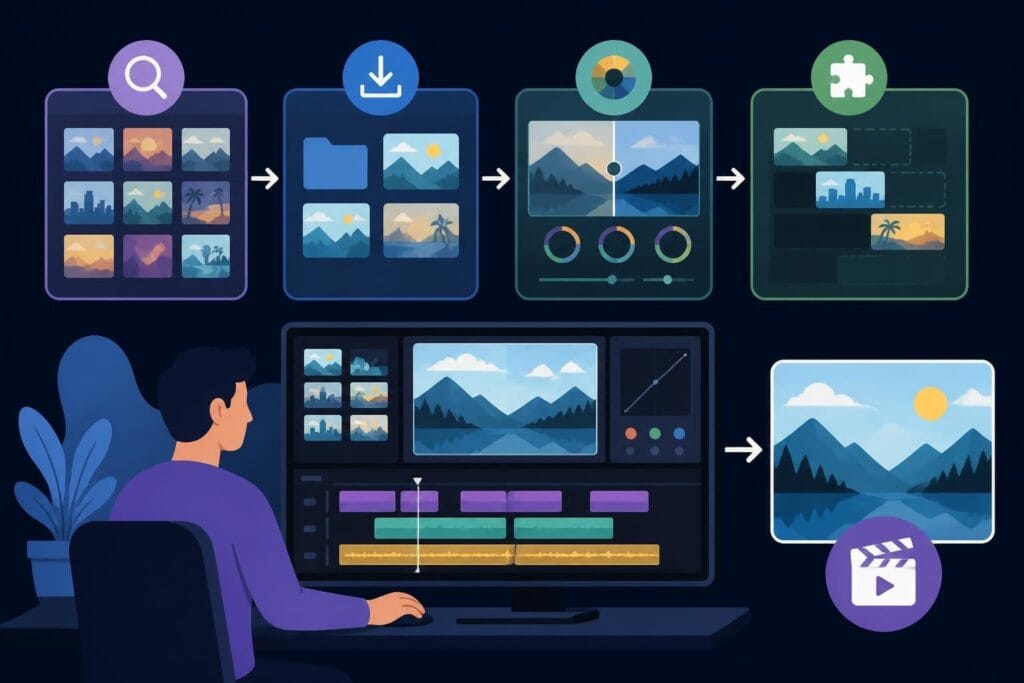
Let's be honest about what professional facebook video editing actually requires. For a single 60-second polished video:
- Raw footage review and organization: 20-30 minutes
- Rough cut and sequencing: 45-60 minutes
- Adding graphics, text, and effects: 30-45 minutes
- Color correction and audio balancing: 20-30 minutes
- Exporting and formatting for Facebook specs: 15-20 minutes
- Revisions and adjustments: 30-45 minutes
Total time investment: 3-4 hours minimum for someone who knows what they're doing. For beginners learning a new facebook video editor? Multiply that by 2-3x.
Now multiply that by the 3-5 videos per week you should be posting for consistent Facebook presence. You're looking at 12-20 hours of editing time weekly. That's not a side task. That's a part-time job.
Why Smart Businesses Outsource Editing
There's a reason the most successful content creators, agencies, and businesses don't edit their own videos. It's not because they can't learn. It's because their time is worth more elsewhere.
The math that changes everything:
| Your Time Investment | Your Hourly Value | Weekly Cost | Annual Cost |
|---|---|---|---|
| 15 hours editing | $100/hour | $1,500 | $78,000 |
| 15 hours editing | $200/hour | $3,000 | $156,000 |
| 15 hours editing | $500/hour | $7,500 | $390,000 |
Even if you "enjoy" editing, can you honestly say it's the best use of your time? What could you accomplish with an extra 15 hours per week focused on strategy, client work, or revenue-generating activities?
Professional video editing services aren't an expense. They're an investment in your time, sanity, and business growth. When you have a dedicated editor who knows your brand, understands Facebook's requirements, and can turn around polished content in 24-48 hours, everything changes.
Building a Sustainable Content System
The best facebook video editor in the world won't help you if your content creation process is chaotic. You need systems that work even when you're busy, traveling, or just need a break.
Components of a sustainable video system:
- Content batching: Film multiple videos in one session
- Clear brand guidelines: So editors know your style without constant oversight
- Organized asset libraries: Templates, music, graphics ready to use
- Streamlined review process: Quick feedback loops, not endless revision cycles
- Dedicated editing team: Consistent quality without training new people constantly
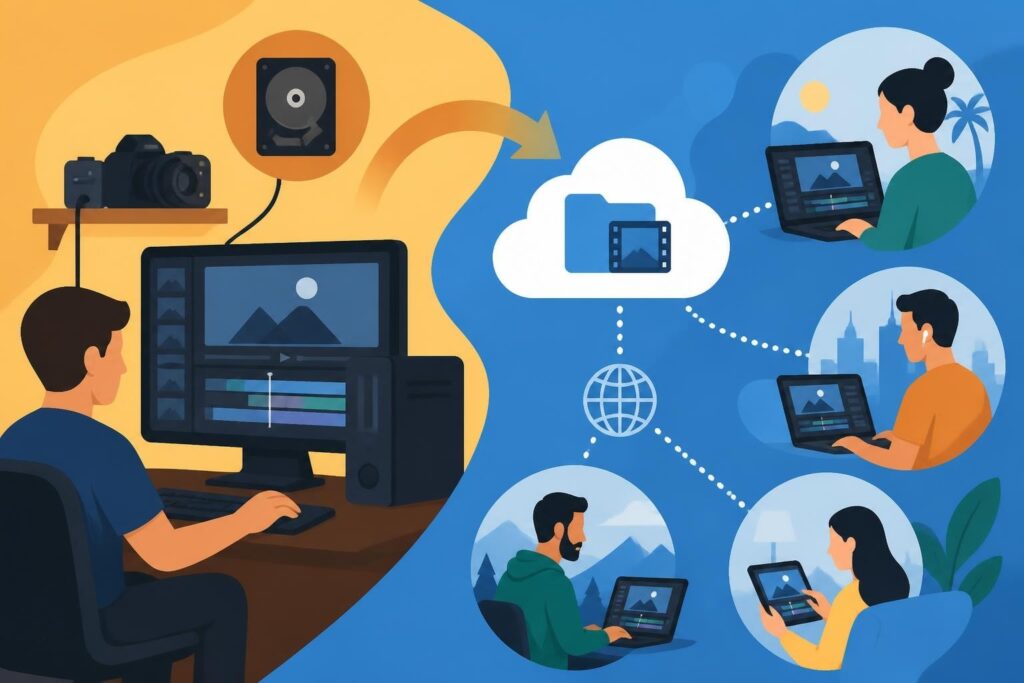
This is exactly what beCreatives’ onboarding process solves. You get dedicated editors who learn your brand, unlimited revisions until it's perfect, and a project management system that keeps everything organized without adding to your workload.
Best Practices for Facebook Video Ads
Organic reach is great, but paid Facebook video ads are where serious ROI happens. Your facebook video editor strategy for ads needs to be even more precise.
The First 3 Seconds Rule
AdCreate’s analysis of Facebook video ads confirms what top marketers already know: you have 3 seconds to hook viewers before they scroll past your ad.
Winning opening strategies:
- Start with the payoff, not the setup
- Use pattern interrupts (unexpected visuals or statements)
- Lead with the biggest benefit or transformation
- Ask a question your target audience is already thinking
- Show the "after" before the "before"
Your facebook video editor needs to prioritize these opening seconds above everything else. It doesn't matter how brilliant your call-to-action is if nobody watches long enough to see it.
Testing Multiple Variations
The most successful Facebook ad campaigns don't rely on a single perfect video. They test multiple variations to find what resonates.
Elements to test:
- Different opening hooks with the same core message
- Various aspect ratios (square vs. vertical vs. landscape)
- Caption styles and placement
- Music choices (upbeat vs. calm vs. no music)
- CTA timing (early vs. mid-video vs. end)
Your facebook video editor workflow should make creating variations fast and efficient. Starting from a master edit and creating alternate versions takes minutes when you have proper systems and templates in place.
Future-Proofing Your Facebook Video Strategy
Facebook isn't slowing down its video push. In 2026 and beyond, video content will only become more critical for brand visibility and audience connection.
Emerging Trends to Watch
AI-assisted editing is transforming workflows. Research on AI-assisted video editing shows how machine learning can handle repetitive tasks, but human creativity still drives the strategy and storytelling.
Interactive video features are expanding beyond polls and questions. Facebook is testing shoppable videos, branching narratives, and AR integration that changes how viewers engage with content.
Live video integration continues growing. Studies on live social broadcasts reveal that live content drives 6x more engagement than pre-recorded videos, but requires different editing approaches for highlights and repurposing.
The takeaway? Your facebook video editor skills and tools need to evolve constantly. Unless you're dedicating serious time to staying current with platform changes, you're already falling behind.
Why Adaptability Matters More Than Tools
The best facebook video editor today might be obsolete tomorrow. What doesn't change is the need for strategic, engaging content that serves your audience and business goals.
Focus on building relationships with editing partners who adapt to platform changes for you. When Facebook rolls out new features, video specs, or algorithm updates, you want editors who are already testing and implementing best practices, not scrambling to figure things out.
That's the beCreatives difference. Your dedicated editing team stays on top of platform changes, tests new features, and adjusts your content strategy accordingly, all included in your subscription. No extra fees, no learning curves, no stress.
Creating powerful Facebook videos doesn't require you to become a facebook video editor expert yourself. It requires smart decisions about where to invest your time and energy. The most successful entrepreneurs and agencies recognize that professional editing isn't a luxury, it's a strategic necessity that frees them to focus on what they do best. If you're ready to stop trading your valuable time for editing tasks and start creating consistent, professional video content that actually grows your business, beCreatives offers unlimited editing with dedicated editors who learn your brand and deliver results fast. Your audience is waiting for your next video, make it count without burning yourself out in the process.