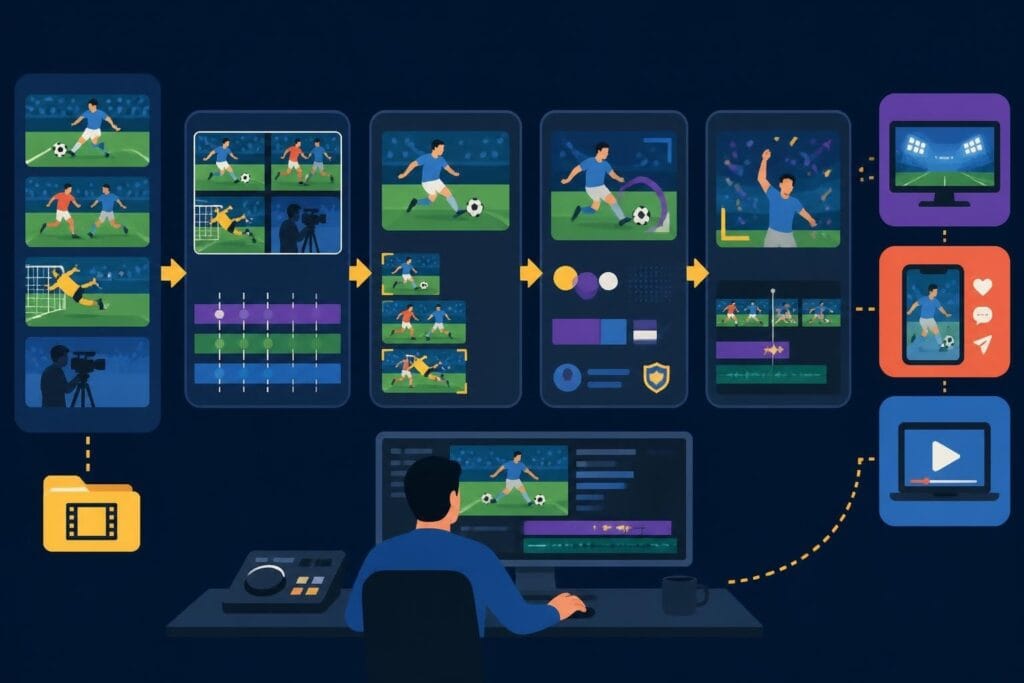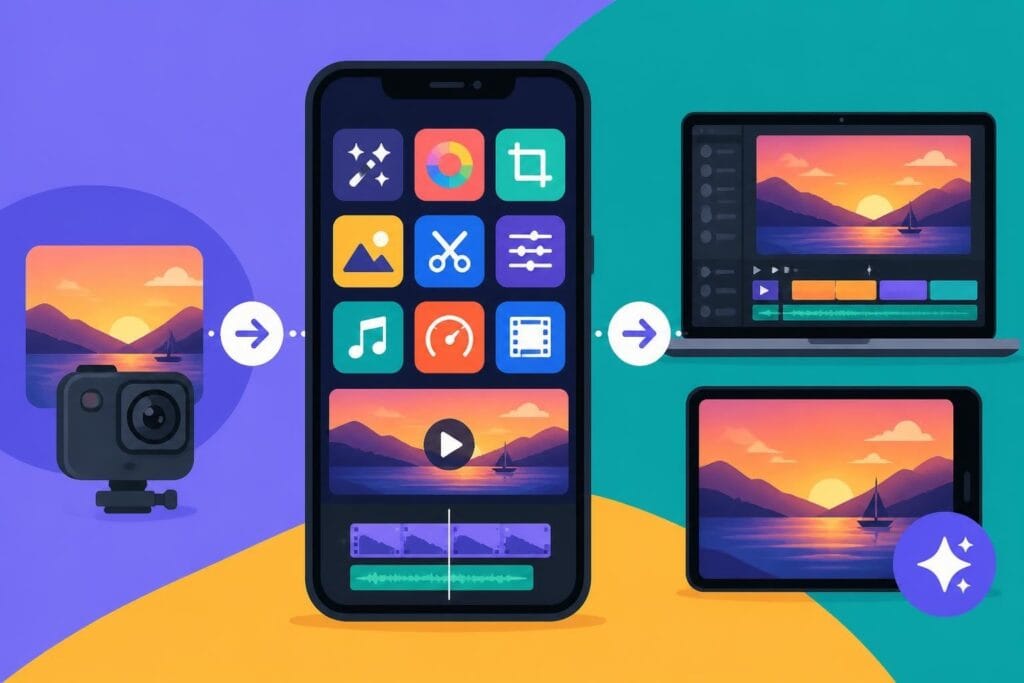
The demand for skilled video editors has surged dramatically as digital content continues to dominate marketing strategies and entertainment platforms. Whether you're a business owner seeking to enhance your brand's visual presence or a content creator aiming to refine your craft, enrolling in a video editing course offers structured learning pathways that accelerate skill development and professional growth. Understanding what these courses offer, how to choose the right one, and what skills you'll gain can transform your approach to content creation and open new career opportunities in the dynamic world of digital media.
Understanding the Value of Structured Video Editing Education
A comprehensive video editing course provides more than just software tutorials. These programs deliver systematic instruction covering fundamental principles, creative techniques, and industry-standard workflows that self-taught editors often miss. The structured curriculum ensures you build skills progressively, starting with essential concepts before advancing to complex techniques.
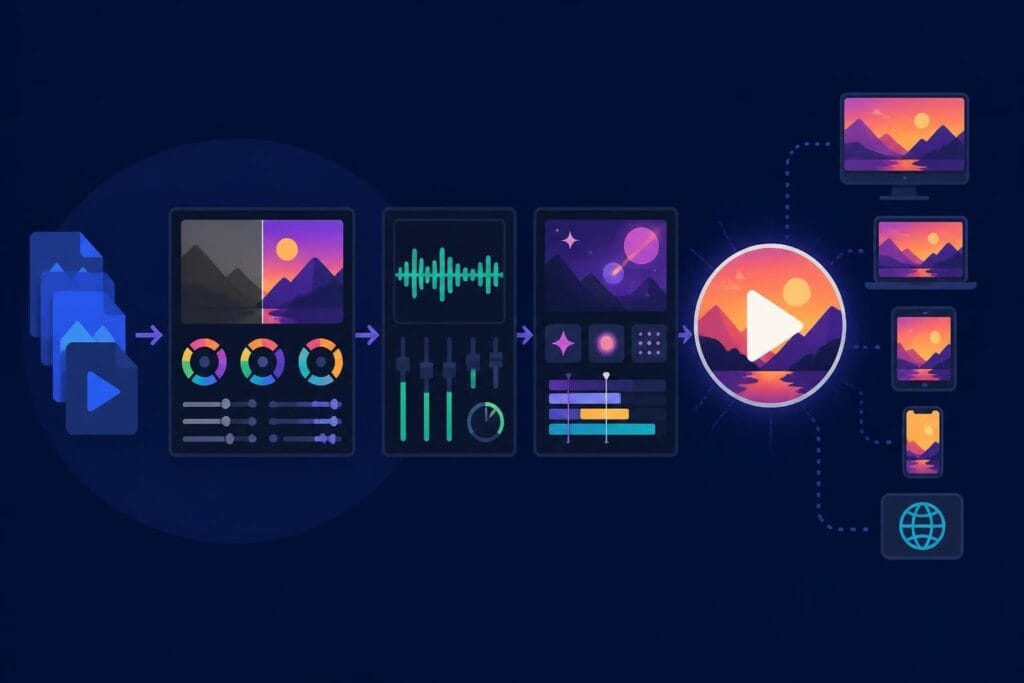
Professional courses typically cover:
- Fundamental editing theory and storytelling principles
- Software proficiency across industry-standard platforms
- Color grading and audio mixing techniques
- Motion graphics and visual effects integration
- Export optimization for various platforms
- Workflow efficiency and project management
The educational framework offered by formal training programs helps editors understand not just how to use tools, but why certain techniques work effectively. The foundation of video editing addresses these core principles, establishing a solid base for continued learning. This theoretical knowledge combined with practical application creates well-rounded professionals capable of adapting to evolving industry demands.
Essential Skills You'll Develop Through Professional Training
Taking a video editing course systematically develops multiple competencies that distinguish professional editors from hobbyists. Technical proficiency represents just one dimension of expertise. Understanding narrative structure, pacing, and visual storytelling separates adequate editors from exceptional ones who create compelling content that resonates with audiences.
Technical Mastery and Software Proficiency
Modern video editing requires fluency across multiple software platforms. Professional courses ensure comprehensive training in industry-standard applications including Adobe Premiere Pro, Final Cut Pro, DaVinci Resolve, and specialized tools for effects and motion graphics. Hands-on projects within these courses provide practical experience that builds confidence and competency.
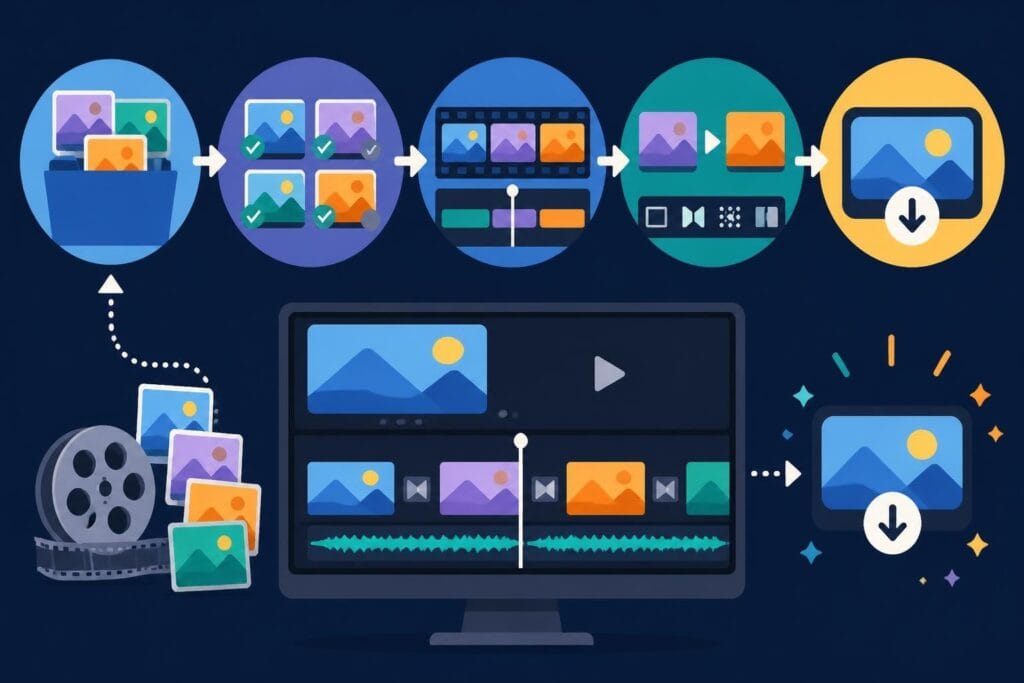
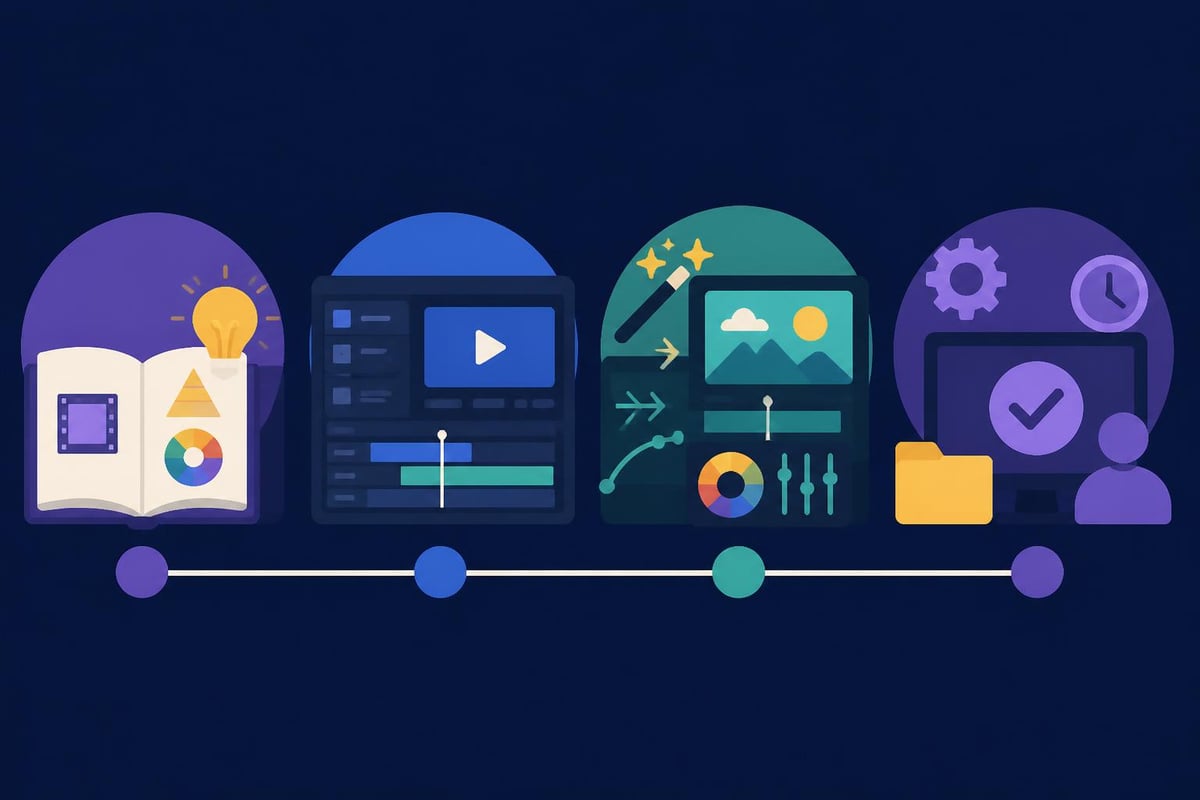
The technical curriculum typically progresses through:
- Interface navigation and workspace customization
- Timeline editing and clip manipulation
- Transitions, effects, and compositing techniques
- Color correction and grading workflows
- Audio synchronization and mixing
- Export settings for different delivery platforms
Beyond basic software operation, courses teach optimization strategies that enhance workflow efficiency. These time-saving techniques become invaluable when managing tight deadlines or handling multiple projects simultaneously.
Creative Development and Storytelling Skills
Technical proficiency means little without creative vision. A quality video editing course emphasizes the art of visual storytelling, teaching students how to construct narratives that engage viewers emotionally and maintain their attention throughout the content. Modern video editing techniques explores contemporary approaches that enhance audience engagement through psychological principles and strategic editing choices.
| Skill Category | What You Learn | Professional Application |
|---|---|---|
| Pacing & Rhythm | Timing cuts to music and dialogue | Creating dynamic content flow |
| Visual Continuity | Matching shots and maintaining coherence | Professional-looking sequences |
| Color Theory | Emotional impact of color choices | Brand consistency and mood setting |
| Audio Design | Balancing dialogue, music, and effects | Immersive viewing experiences |
Understanding these creative principles allows editors to make informed decisions that elevate content quality significantly. Whether editing promotional videos, social media content, or long-form productions, these storytelling fundamentals remain constant across all formats.
Choosing the Right Video Editing Course for Your Goals
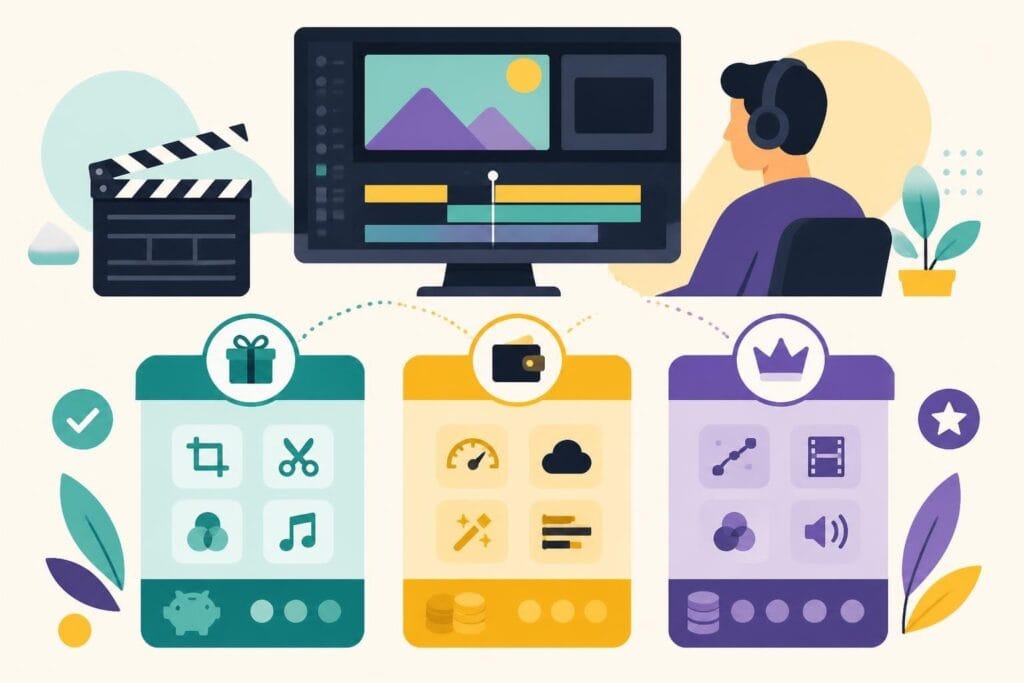
The marketplace offers countless educational options, from free online tutorials to comprehensive university programs. Selecting the appropriate video editing course requires evaluating your current skill level, career objectives, learning preferences, and available time commitment. Making an informed choice ensures your investment delivers maximum value and relevant skills.
Evaluating Course Structure and Curriculum
Examine the course syllabus carefully to ensure it covers topics aligned with your specific goals. Beginners need fundamental instruction, while experienced editors benefit from advanced courses focusing on specialized techniques. The best programs balance theoretical knowledge with practical application through hands-on projects that simulate real-world scenarios.
Consider these curriculum factors:
- Prerequisite requirements and assumed knowledge level
- Software platforms covered and version currency
- Project-based learning opportunities
- Instructor credentials and industry experience
- Student support and feedback mechanisms
- Certificate or credential upon completion
Harvard’s video editing and digital design course exemplifies comprehensive curriculum design, combining technical instruction with creative storytelling and motion graphics skills. This integrated approach prepares students for diverse professional opportunities in digital media production.
Platform Options and Learning Formats
Educational delivery methods significantly impact learning effectiveness and completion rates. Self-paced online courses offer flexibility for busy professionals, while structured programs with deadlines provide accountability and consistent progress. Live instruction enables real-time feedback, whereas recorded lectures allow repeated viewing of complex concepts.
Compare these common formats:
- Self-paced online courses: Maximum flexibility, learn on your schedule
- Live virtual classes: Real-time interaction and immediate feedback
- In-person workshops: Hands-on guidance and networking opportunities
- University programs: Comprehensive education with recognized credentials
- Bootcamp intensives: Accelerated learning over concentrated timeframes
Platforms like edX offer diverse video editing courses catering to various learning styles and career objectives. These established educational platforms provide structured pathways with quality assurance and instructor expertise that ensure effective skill development.
Advanced Specializations and Industry-Specific Training
After mastering fundamental editing skills, specialized training opens doors to niche markets and premium opportunities. Different content types require distinct approaches and technical knowledge. A video editing course focused on specific applications allows editors to develop expertise that commands higher rates and attracts quality clients in targeted industries.
Platform-Specific Content Editing
Social media platforms each have unique technical requirements and content preferences. Specialized courses teach platform-specific optimization, ensuring content performs well algorithmically while meeting audience expectations. Understanding these nuances separates amateur content from professional-grade productions that drive engagement and conversions.
For instance, Instagram Reels editing services require different pacing, aspect ratios, and stylistic approaches compared to traditional YouTube content. Similarly, TikTok video editing demands rapid pacing, trending audio integration, and hook-focused opening sequences that capture attention immediately.
Specialized Content Categories
Different content genres require tailored editing approaches:
- Gaming content: Fast-paced cuts, highlight reels, and commentary synchronization
- Educational videos: Clear visual aids, information retention techniques, and pacing for comprehension
- Marketing content: Brand consistency, call-to-action integration, and conversion optimization
- Documentary style: Narrative flow, interview editing, and B-roll integration
- Music videos: Rhythm synchronization, creative effects, and artistic expression
Professional editors often develop expertise in specific categories, allowing them to command premium rates for specialized skills. YouTube Shorts editing services and video game editing services exemplify how niche focus creates opportunities in growing content markets.
Practical Application and Building Your Portfolio
Theory without practice produces limited results. The most effective video editing course incorporates substantial hands-on projects that simulate real client work. These practical exercises develop problem-solving abilities, creative decision-making skills, and the confidence necessary for professional client interactions.
Project-Based Learning Approaches
Quality educational programs structure assignments progressively, each building upon previously learned skills while introducing new challenges. Starting with simple cuts-only exercises, students advance through increasingly complex projects involving multiple video layers, effects, color grading, and audio mixing.
Effective project progression typically includes:
- Basic assembly edits with provided footage
- Creative montages requiring clip selection and pacing decisions
- Interview-style videos combining multiple cameras and B-roll
- Promotional content with graphics, music, and effects integration
- Complex multi-layered projects demonstrating full skill mastery
These projects form the foundation of your professional portfolio, demonstrating capabilities to potential clients or employers. Berklee Online’s creative video editing course emphasizes hands-on projects that result in portfolio-ready pieces showcasing diverse editing styles and technical proficiency.
Developing Your Professional Portfolio
Your portfolio represents your capabilities more effectively than any resume or certification. A strong portfolio demonstrates range, creativity, technical skill, and understanding of different content types. Curating projects that showcase versatility while highlighting your particular strengths positions you competitively in the marketplace.
| Portfolio Element | Purpose | Best Practices |
|---|---|---|
| Variety of styles | Shows adaptability | Include 5-7 diverse projects |
| Before/after examples | Demonstrates improvement ability | Show raw footage transformation |
| Client testimonials | Builds trust and credibility | Incorporate feedback when available |
| Process documentation | Reveals problem-solving skills | Explain creative decisions made |
| Platform-optimized versions | Shows technical understanding | Display same project across formats |
Remember that quality surpasses quantity. Ten exceptional pieces demonstrating mastery outperform thirty mediocre examples. Regularly update your portfolio as skills improve, replacing earlier work with more sophisticated projects that better represent your current capabilities.
Career Pathways and Professional Opportunities
Completing a video editing course opens diverse career pathways spanning industries and employment models. Understanding available opportunities helps students make strategic educational choices and develop skills aligned with their professional aspirations. The video editing field offers flexibility ranging from full-time employment to freelance independence.
Traditional Employment Options
Many organizations employ video editors as integral team members. Marketing departments, production companies, news organizations, and corporate communications divisions consistently seek skilled editors who understand both technical execution and strategic content goals.
Common employment sectors include:
- Corporate marketing and communications departments
- Advertising and creative agencies
- Film and television production companies
- News and media organizations
- Educational institutions and training companies
- Non-profit organizations and advocacy groups
These positions typically offer steady income, benefits, and collaborative work environments. Career advancement often progresses from junior editor to senior roles, creative director positions, or specialized post-production supervision.
Freelance and Agency Models
Independent contractors enjoy flexibility and variety, working with multiple clients across different industries. Successful freelancers combine technical excellence with business acumen, managing client relationships, project timelines, and financial operations simultaneously. This path offers unlimited earning potential but requires entrepreneurial skills beyond editing expertise.
The rise of unlimited editing service models represents an innovative approach bridging traditional freelance work and agency employment. These services provide content creators and businesses with dedicated editors, streamlined communication, and consistent quality without the overhead of full-time hires. Platforms like beCreatives demonstrate how modern video editing services adapt to evolving market needs while creating opportunities for talented editors.
Advanced Technologies Shaping Modern Video Editing Education
The video editing landscape continuously evolves with technological advancement. Contemporary courses increasingly incorporate emerging technologies that streamline workflows, enhance creative possibilities, and expand what editors can achieve. Understanding these developments helps students prepare for future industry demands rather than just current requirements.
Artificial Intelligence and Automated Editing Tools
AI-powered editing tools increasingly handle time-consuming technical tasks, allowing editors to focus on creative decisions. Research into AI-assisted video editing explores how machine learning can accelerate routine tasks while maintaining creative control. Forward-thinking courses introduce these technologies, teaching students when automation enhances efficiency versus when manual control produces superior results.
Modern AI tools now assist with:
- Automatic transcription and caption generation
- Scene detection and intelligent clip organization
- Color matching across footage from different sources
- Audio noise reduction and enhancement
- Content-aware fill for removing unwanted objects
- Smart reframing for platform-specific aspect ratios
These technologies don't replace skilled editors but rather amplify their capabilities. Understanding how to leverage AI tools effectively becomes increasingly valuable as the technology matures and integrates deeper into standard editing workflows.
Accessibility and Inclusive Editing Practices
Professional video editors must consider accessibility to reach the broadest possible audiences. Modern courses address captioning best practices, audio description, and designing content that serves viewers with different abilities. Innovations in accessible text-based video editing demonstrate how technology expands creative opportunities for all editors while improving content accessibility.
Inclusive editing practices benefit everyone:
- Clear captions aid viewers in sound-sensitive environments
- Audio descriptions serve vision-impaired audiences
- High contrast and readable text improve comprehension
- Universal design principles enhance overall quality
- Accessible content expands potential audience reach
Incorporating accessibility from the beginning proves more efficient than retrofitting content later. Quality courses emphasize these practices as standard procedure rather than optional considerations.
Continuous Learning and Skill Development
Completing a single video editing course represents a beginning rather than an endpoint. The most successful editors commit to continuous learning, staying current with software updates, emerging techniques, and evolving platform requirements. This ongoing education maintains competitive advantage and ensures relevance in a rapidly changing industry.
Staying Current with Industry Trends
Video editing standards and best practices shift continuously as platforms update algorithms, audiences develop new preferences, and technology introduces fresh capabilities. Understanding the evolution of video editing techniques provides historical context that helps editors anticipate future trends rather than simply reacting to current changes.
Effective strategies for ongoing learning include:
- Following industry leaders and innovative creators
- Participating in editing communities and forums
- Experimenting with new software features regularly
- Analyzing successful content across platforms
- Attending workshops, webinars, and industry events
- Teaching others to reinforce your own understanding
This commitment to growth separates professionals who remain relevant throughout their careers from those whose skills become outdated. The investment in continuous learning pays dividends through sustained career success and expanding opportunities.
Building Your Professional Network
Professional connections provide support, learning opportunities, and potential collaborations throughout your career. Fellow students, instructors, and industry professionals you meet during coursework often become valuable contacts years later. Actively nurturing these relationships creates a support system that accelerates career development and opens doors to unexpected opportunities.
Networking effectively involves genuine engagement rather than transactional interactions. Share knowledge generously, offer assistance when possible, and maintain relationships even when no immediate benefit appears obvious. These authentic connections prove invaluable across long careers in competitive industries.
Measuring Return on Investment in Video Editing Education
Investing time and money in a video editing course requires careful consideration of expected returns. Whether seeking career changes, skill enhancement, or business growth, understanding how education translates into tangible outcomes helps justify the investment and maintain motivation through challenging learning periods.
Quantifiable Benefits and Career Advancement
Professional video editing skills command premium compensation across industries. Entry-level positions typically start between $40,000 and $55,000 annually, while experienced editors in major markets earn $75,000 to $100,000 or more. Specialized skills in high-demand niches often command even higher rates, particularly for freelance professionals serving premium clients.
Beyond direct income, editing skills enable business owners and marketers to reduce outsourcing costs while maintaining greater creative control. The ability to produce professional-quality content internally accelerates marketing initiatives, shortens feedback cycles, and enables rapid response to trending opportunities.
| Experience Level | Average Annual Income | Freelance Rate Range | Career Options |
|---|---|---|---|
| Entry (0-2 years) | $40,000 – $55,000 | $25 – $50/hour | Junior editor, assistant |
| Mid-level (3-5 years) | $55,000 – $75,000 | $50 – $100/hour | Editor, specialist roles |
| Senior (6-10 years) | $75,000 – $100,000 | $100 – $150/hour | Lead editor, supervisor |
| Expert (10+ years) | $100,000+ | $150 – $300+/hour | Creative director, consultant |
Intangible Benefits and Personal Growth
Beyond measurable financial returns, video editing education develops transferable skills valuable across professional contexts. Critical thinking, problem-solving, project management, and creative communication abilities enhance performance in any career path. The confidence gained through mastering complex technical skills often catalyzes broader personal and professional growth.
Creative fulfillment represents another significant but often overlooked benefit. The ability to transform raw footage into compelling narratives provides satisfaction that purely technical skills rarely deliver. This creative outlet enriches life beyond professional achievements while potentially opening unexpected opportunities through passion projects and personal expression.
Mastering video editing through structured education provides the technical foundation and creative capabilities essential for success in today's content-driven marketplace. Whether pursuing a new career path, enhancing existing skills, or building your business's content capabilities, the investment in quality training delivers lasting returns. If you're ready to elevate your content without the steep learning curve, beCreatives offers unlimited video editing services with dedicated editors who bring professional expertise to every project, allowing you to focus on your core business while ensuring your video content consistently engages and converts your audience.