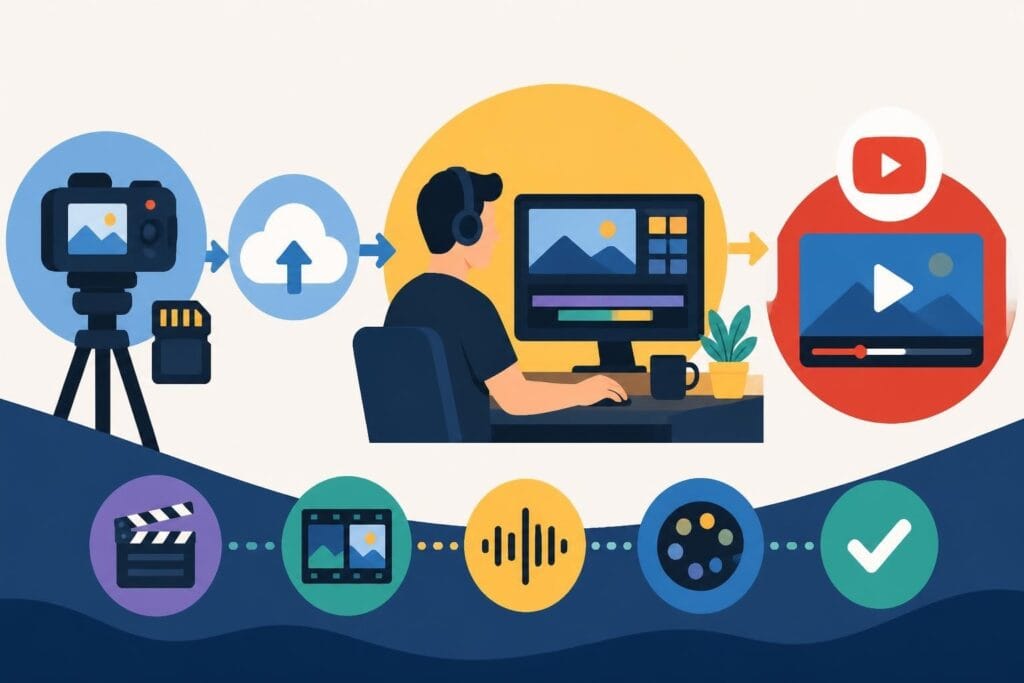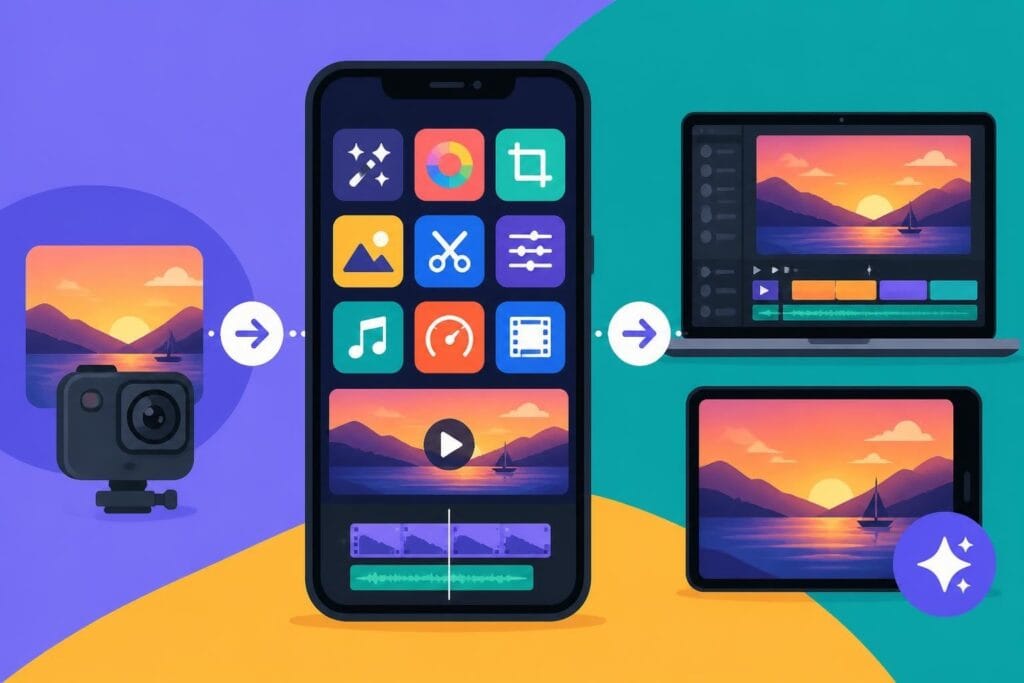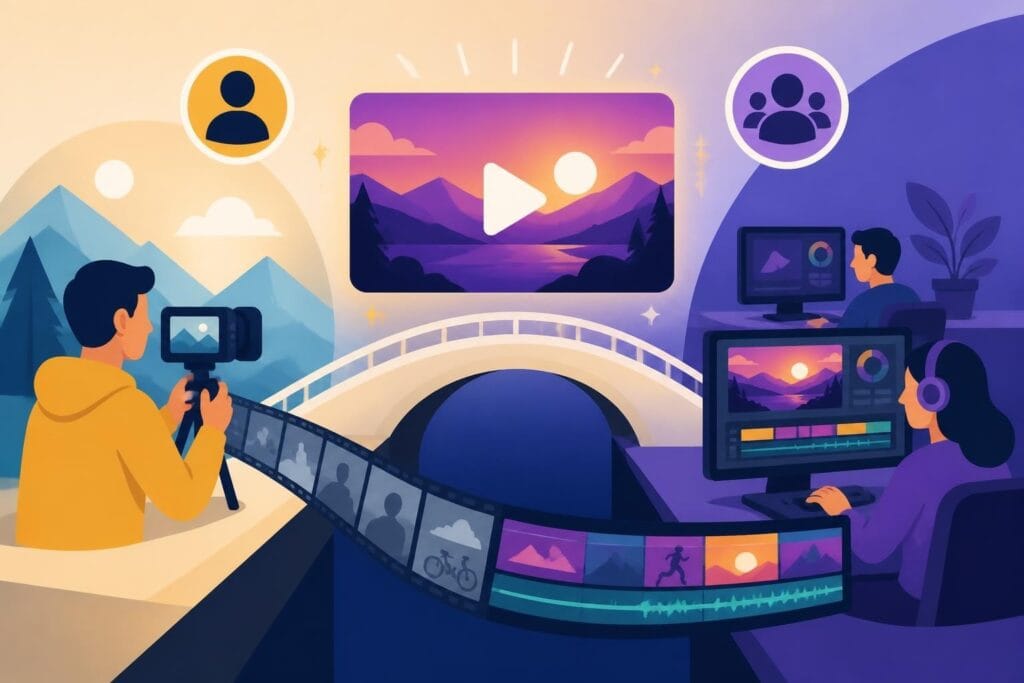
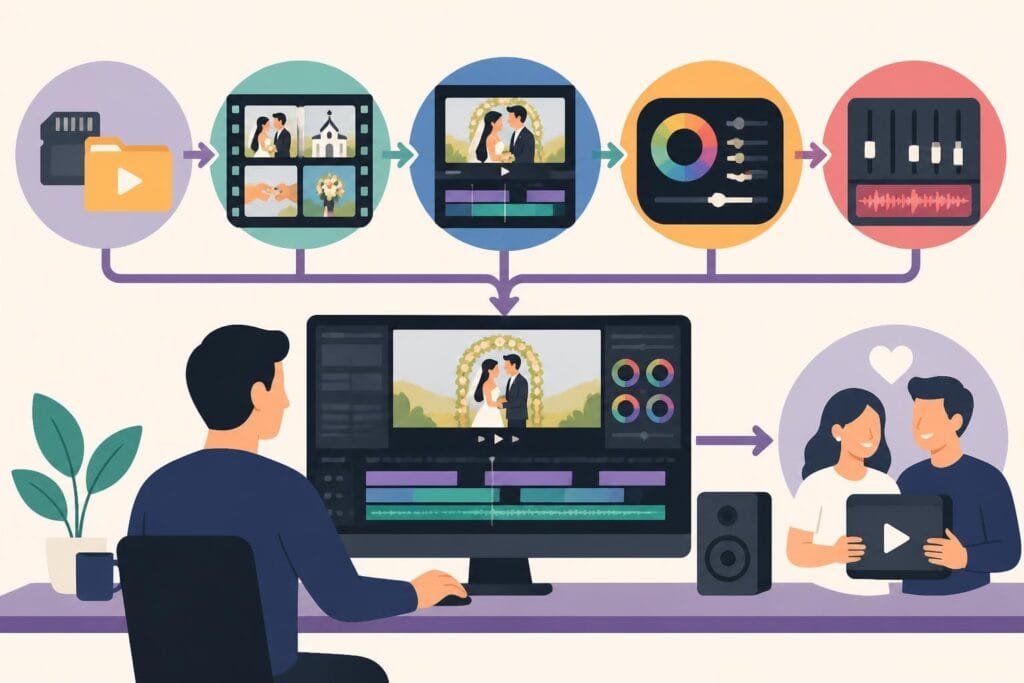
Wedding videography has evolved into a sophisticated art form that demands exceptional post-production skills. Professional wedding video editors play a crucial role in transforming hours of raw footage into emotionally compelling stories that couples will treasure for a lifetime. With the wedding industry projected to surpass $70 billion in 2026, the demand for skilled editors who can deliver cinematic quality while managing tight deadlines has never been higher. Whether you're a videographer seeking to outsource editing or a couple researching what makes great wedding videos, understanding the editing process is essential for achieving stunning results.
The Role of Professional Wedding Video Editors
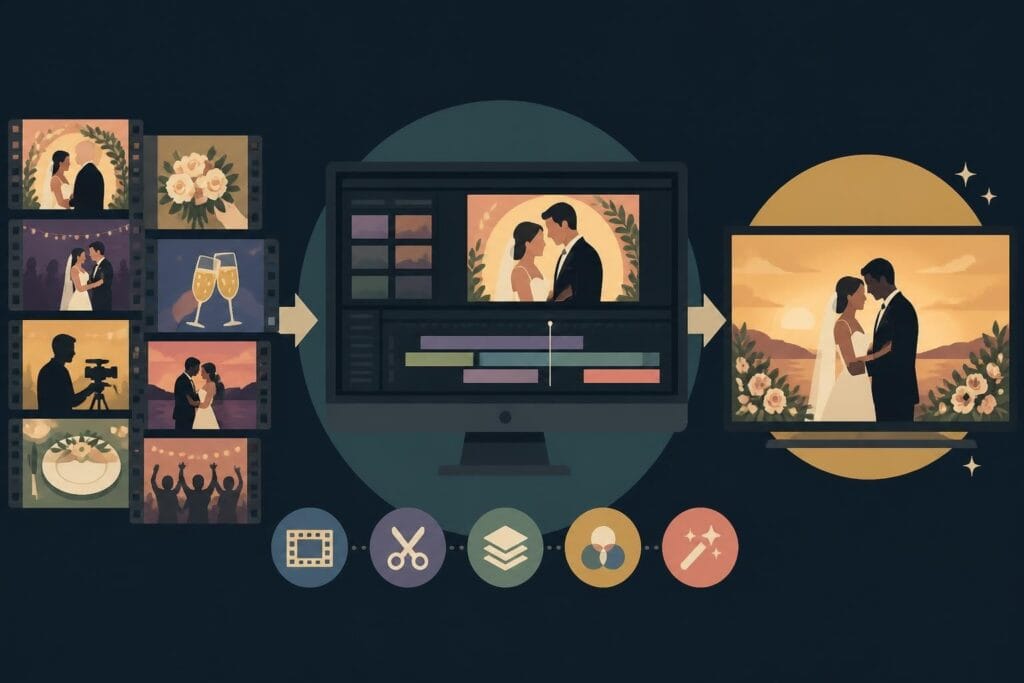
Wedding video editors serve as storytellers who craft narrative arcs from ceremony footage, reception moments, and candid interactions. Their expertise extends far beyond simple cutting and transitions.
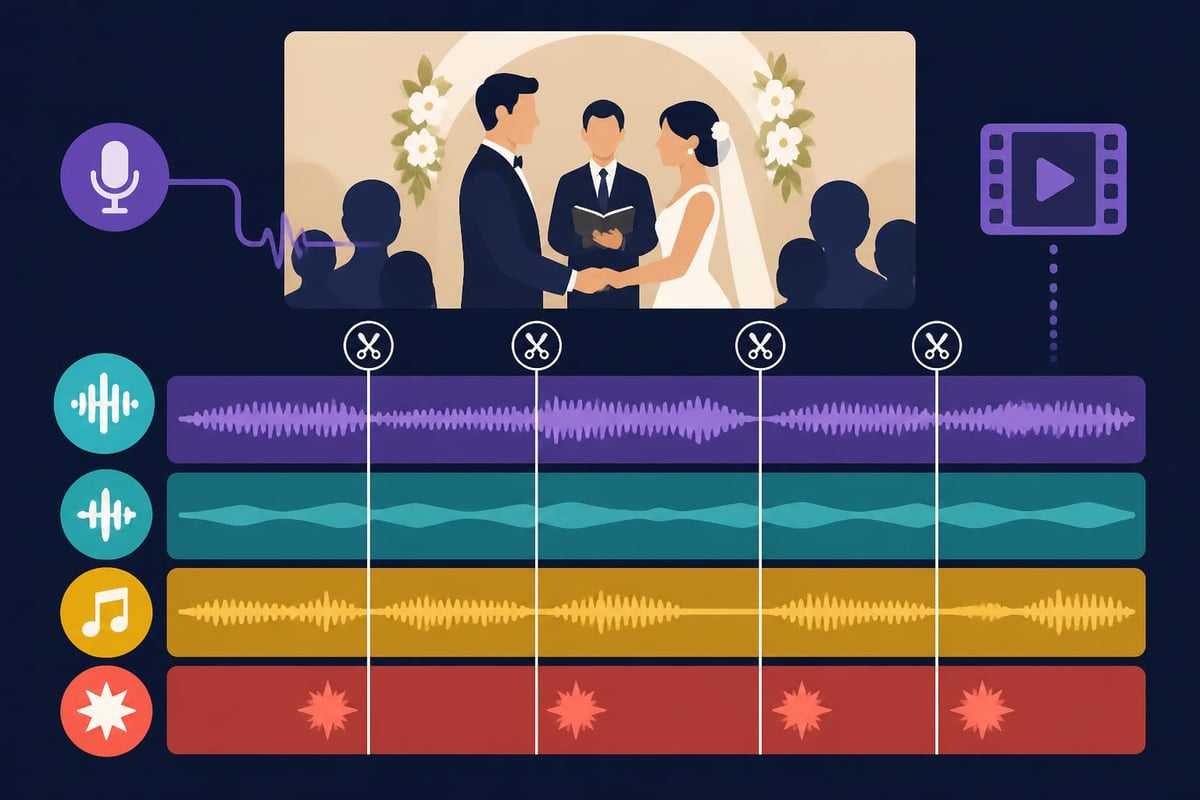
These professionals manage multiple camera angles, synchronize audio from various sources, and color-grade footage to ensure visual consistency. They understand the emotional beats of a wedding day and know which moments deserve emphasis. The best editors balance technical precision with artistic sensibility, creating videos that feel both polished and authentic.
Technical Skills Required
Modern wedding video editors must master several specialized areas:
- Multi-camera synchronization across different formats and frame rates
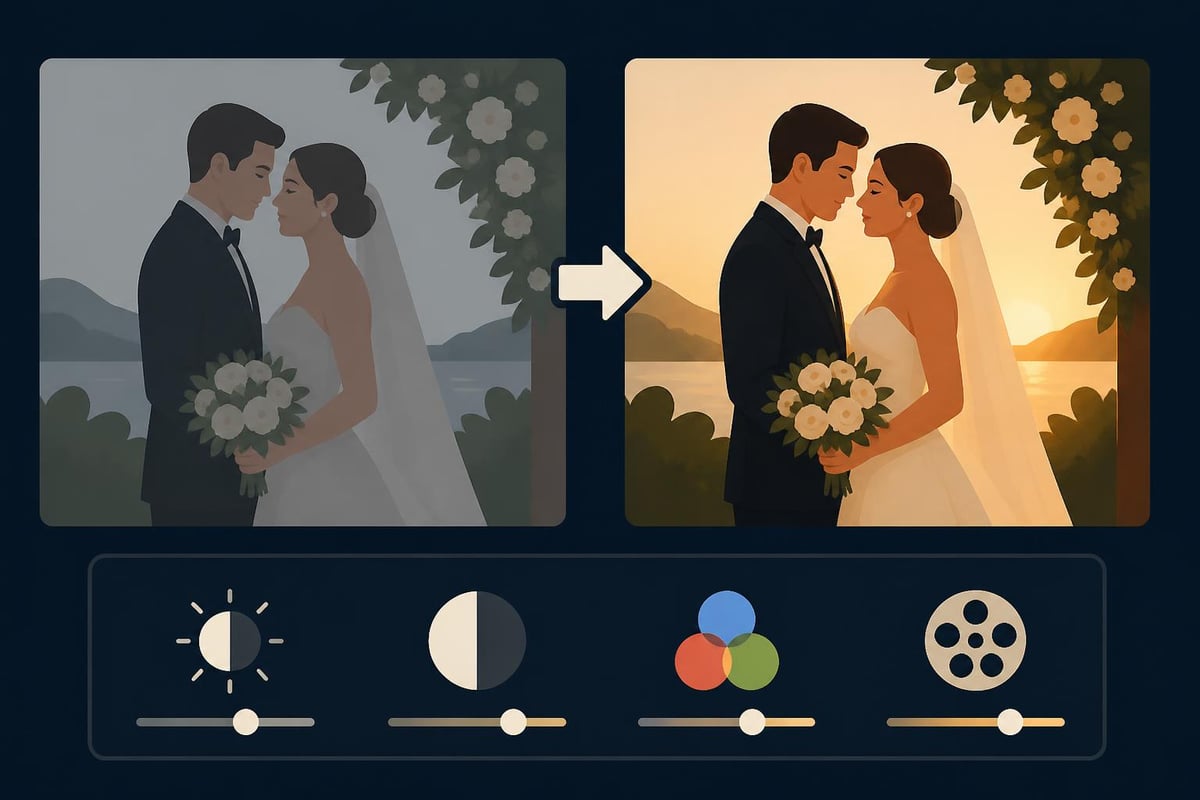
- Color correction and grading to match varying lighting conditions
- Audio engineering including dialogue cleanup, music mixing, and ambient sound balancing
- Motion graphics for titles, lower thirds, and transitions
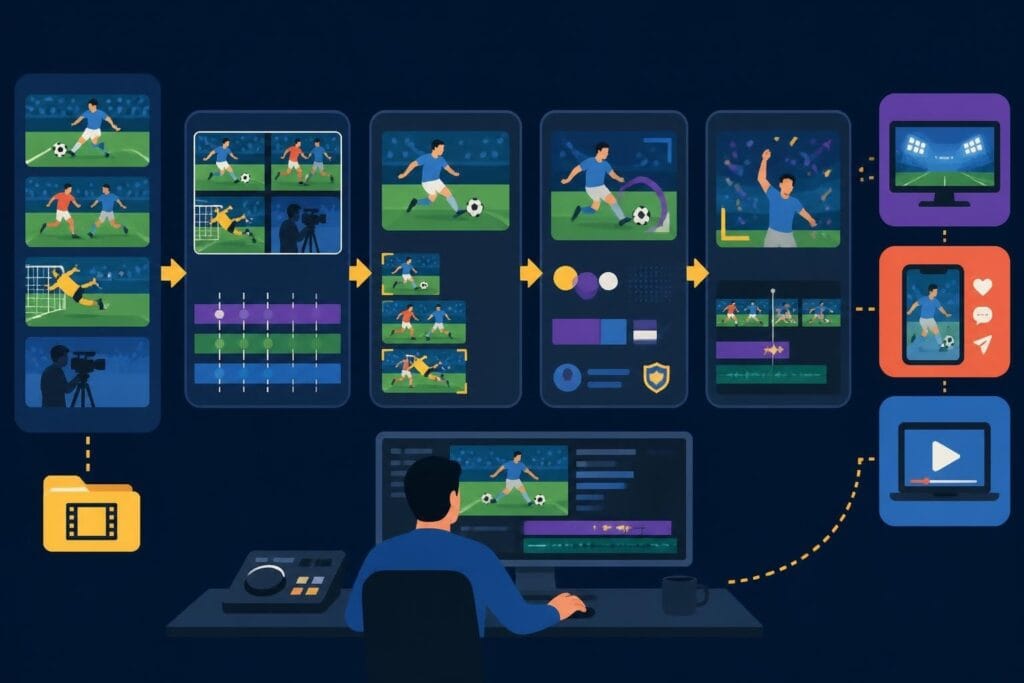
- Export optimization for different delivery formats (social media, streaming, physical media)
The complexity of these tasks explains why many videographers partner with professional editing services rather than handling everything in-house. This approach allows filmmakers to focus on capturing exceptional footage while dedicated editors handle post-production.
Workflow Strategies for Efficient Wedding Video Editing
Time management separates successful wedding video editors from those who struggle with backlogs. The typical wedding generates 6-10 hours of footage that must be condensed into highlight reels, full ceremonies, and extended edits.
Organization and Asset Management
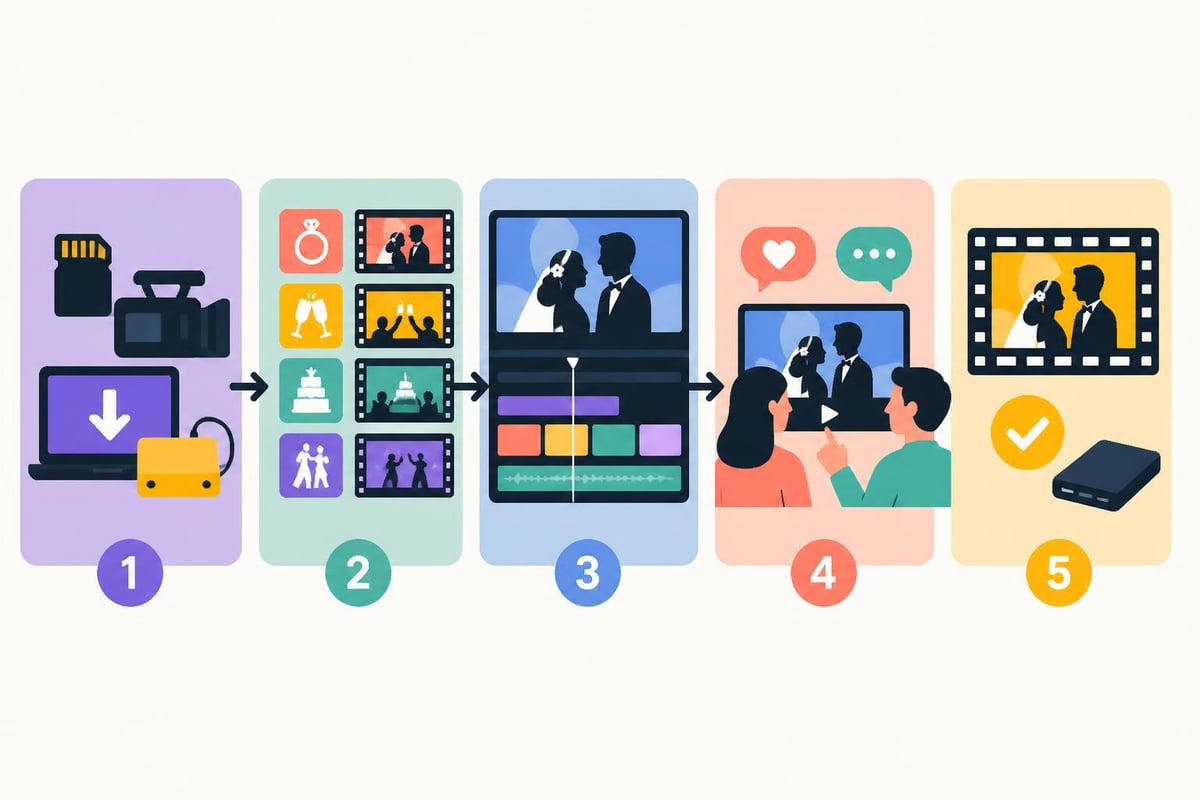
Effective editors establish systems before touching the timeline. According to Cinema & Story’s editing efficiency guide, organizing assets upfront saves hours during the editing phase.
Project folder structures should separate:
- Raw footage by camera operator and time of day
- Audio files (vows, toasts, DJ tracks)
- Graphics and template elements
- Client-provided materials (photos, music requests)
- Export versions and backups
This methodical approach prevents the chaos that derails editing schedules. Wedding video editors who implement robust organization systems can handle multiple projects simultaneously without confusion.
The Proxy Workflow Advantage
High-resolution wedding footage (4K, 6K, or 8K) can overwhelm even powerful editing systems. Smart editors create proxy files-lower-resolution versions that maintain editing smoothness while preserving the ability to export in full quality.
The proxy workflow offers several benefits:
| Aspect | Benefit | Impact |
|---|---|---|
| Playback | Smooth real-time preview | Faster editing decisions |
| Storage | Reduced drive requirements | Work from laptops or portable drives |
| Collaboration | Easier file sharing | Remote editing possibilities |
| System Requirements | Works on mid-range computers | Lower equipment costs |
This technique is particularly valuable for editors managing social media video editing alongside full-length wedding productions.
Essential Tools and Software for Wedding Video Editors
The software landscape for wedding video editing has expanded significantly. TechRadar’s comprehensive review of 2026's best video editing software highlights how various platforms cater to different workflows and budgets.
Professional-Grade Options
Adobe Premiere Pro remains the industry standard for many wedding video editors due to its integration with After Effects for motion graphics and Photoshop for graphic elements. Its timeline flexibility and plugin ecosystem make it ideal for complex multi-camera edits.
DaVinci Resolve has gained massive traction in the wedding industry, offering professional color grading tools that were once exclusive to Hollywood productions. The free version includes nearly all features needed for wedding editing, making it accessible for editors at any level.
Final Cut Pro dominates among Mac users, particularly those who value speed and optimized performance on Apple hardware. Its magnetic timeline and library system appeal to editors who prioritize organization.
Specialized Wedding Editing Features
According to RoughCut’s analysis of wedding video editing tools, the most valuable features for 2026 include:
- AI-powered transcription for identifying toast highlights and vow moments
- Automated color matching across different cameras and lighting scenarios
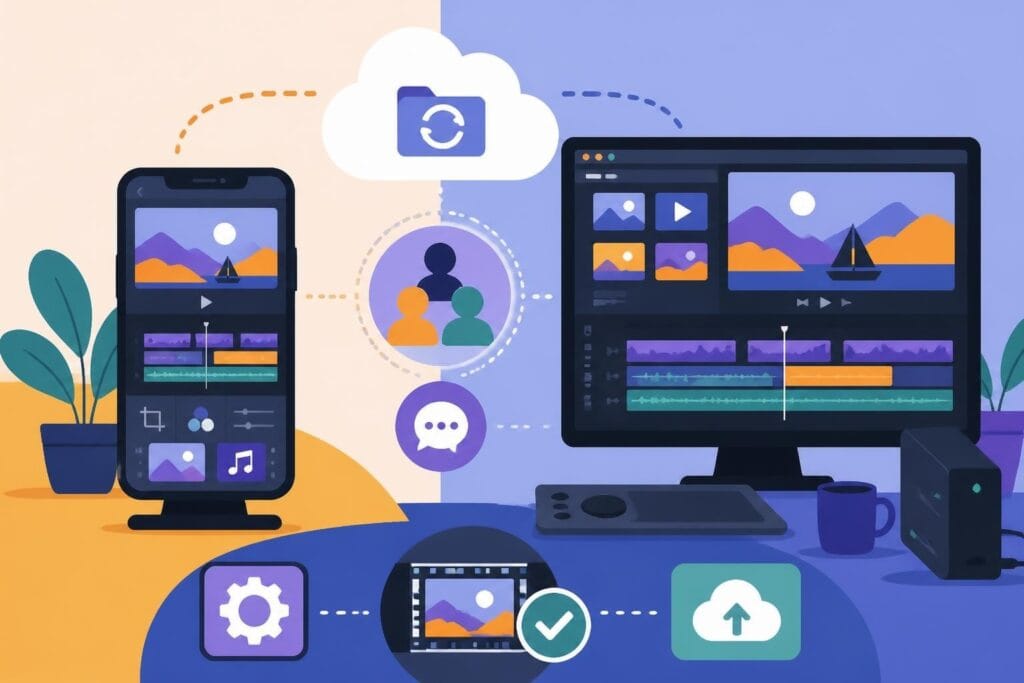
- Client collaboration platforms for remote review and approval
- Music licensing integration with royalty-free libraries
- Template systems for consistent branding across multiple weddings
These capabilities significantly reduce the time investment required per project. Wedding video editors who leverage modern tool features can deliver more projects without sacrificing quality.
Storytelling Techniques That Elevate Wedding Videos
Technical proficiency means nothing without compelling storytelling. The difference between a forgettable wedding video and one that generates emotional responses lies in narrative construction.
Building Emotional Arcs
Exceptional wedding video editors understand dramatic structure. Boris Studio’s guide to wedding highlight videos emphasizes selecting emotionally powerful moments that build toward climactic peaks.
The classic three-act structure translates beautifully to wedding edits:
- Setup – Getting ready scenes establishing anticipation and preparation
- Confrontation – Ceremony emotions, vow exchanges, first kiss
- Resolution – Celebration, reception highlights, couple's exit
This framework provides viewers with satisfaction even in abbreviated highlight reels. The best editors find fresh ways to structure these familiar beats.
Music Selection and Audio Design
Music drives emotional response more than any other element. Wedding video editors must balance client musical preferences with what actually serves the story.
Strategic audio layering includes:
- Using actual ceremony audio (vows, readings) as emotional anchors
- Fading music during key spoken moments
- Building tempo through reception sequences
- Creating dynamic range between intimate and celebratory moments
The MediaCollege.com wedding video editing guide stresses that audio mixing deserves equal attention to visual editing. Many editors spend 30-40% of their time perfecting the sound design.
Common Challenges and Solutions for Wedding Video Editors
Every wedding presents unique obstacles that test an editor's problem-solving abilities. Understanding common issues and their solutions separates competent editors from exceptional ones.
Dealing with Poor Lighting Footage
Receptions often feature challenging lighting-dim venues, colored uplighting, harsh spotlights. Wedding video editors need aggressive color grading skills to salvage these scenarios.
Recovery techniques include:
- Noise reduction plugins for high-ISO footage
- Selective color correction on specific image areas
- Strategic use of overlays and transitions to minimize problem shots
- Communicating realistic expectations to clients about limitations
Sometimes the best solution involves creative editing choices that work around rather than through problematic footage.
Managing Client Expectations and Revisions
Wedding video editors frequently navigate emotional client feedback. Couples have strong opinions about their videos, and revision requests can derail timelines.
Successful editors establish clear processes upfront. Many now use platforms similar to those offered through comprehensive video editing services that provide structured review systems with timestamped comments and approval workflows.
| Challenge | Prevention Strategy | Recovery Approach |
|---|---|---|
| Unlimited revisions | Contract specifies revision rounds | Charge for additional rounds |
| Missed deadlines | Build buffer time into schedule | Communicate delays immediately |
| Style mismatches | Show samples during booking | Offer style adjustment round |
| Technical issues | Maintain multiple backups | Have disaster recovery plan |
The Business Side of Wedding Video Editing
Understanding the commercial realities helps wedding video editors build sustainable careers. Pricing, turnaround times, and service delivery models all impact profitability.
Pricing Models and Profitability
Wedding video editors typically charge per project, per hour, or through retainer arrangements. Per-project pricing offers predictability for both parties but requires accurate time estimation.
Factors affecting rates include:
- Geographic market and local competition
- Deliverable complexity (highlight reel vs. full feature)
- Turnaround speed (rush fees for accelerated delivery)
- Additional services (drone footage integration, same-day edits)
- Experience level and portfolio quality
Many established editors charge $800-2,500 per wedding depending on these variables. High-volume studios often outsource to freelance wedding video editors to manage capacity during peak seasons.
Scaling Through Delegation
Solo wedding video editors eventually hit capacity limits. The most successful professionals either specialize in premium pricing with limited volume or build teams to handle increased demand.
Outsourcing arrangements allow videographers to maintain client relationships while delegating editing work. This model has become increasingly popular as remote collaboration tools mature. Services offering unlimited video editing through subscription models provide predictable costs and scalable capacity.
Advanced Techniques for Competitive Differentiation
As the wedding video market matures, editors must differentiate through specialized skills or unique approaches. Generic highlight reels no longer command premium prices.
Cinematic Color Grading
Professional color grading transforms wedding footage from documentation into art. Wedding video editors who master this skill create cohesive visual signatures that become their brand identity.
Popular grading approaches include:
- Film emulation using LUTs that replicate vintage cinema stocks
- Clean modern with crisp whites and rich colors
- Moody dramatic with deep shadows and golden highlights
- Natural organic maintaining authentic skin tones and environments
The key is consistency across varied lighting conditions throughout the wedding day. This requires understanding color theory and how different grades affect viewer perception.
Motion Graphics and Typography
Subtle motion graphics elevate production value without overwhelming content. Wedding video editors incorporate animated titles, date stamps, and location identifiers that add polish.
Effective motion graphics share these characteristics:
- Complementary to footage rather than distracting
- Consistent with the couple's aesthetic preferences
- Readable across different viewing devices
- Timeless rather than trendy
- Professionally kerned and aligned
Templates speed up production, but customization demonstrates attention to detail. The Instagram Reels editing approach to graphics and text overlays has influenced wedding video style preferences.
Future Trends Shaping Wedding Video Editing
The wedding video editing landscape continues evolving as technology advances and client expectations shift. Understanding emerging trends helps editors stay competitive.
AI-Assisted Editing Workflows
Artificial intelligence is transforming how wedding video editors work. While human creativity remains irreplaceable, AI tools handle repetitive tasks with increasing sophistication.
Current AI applications include:
- Automated scene detection and categorization
- Facial recognition for identifying the couple throughout footage
- Beat detection for music-synced editing
- Smart reframing for social media aspect ratios
- Voice isolation and audio cleanup
These tools don't replace wedding video editors-they amplify their capabilities. An editor using AI assistance can complete projects faster while maintaining quality standards.
Social Media Integration
Modern couples expect deliverables optimized for social platforms alongside traditional formats. Wedding video editors now routinely create multiple versions from the same source footage.
Platform-specific requirements include:
- Instagram Reels and TikTok – Vertical 9:16 format, 15-90 seconds, hook in first 3 seconds
- YouTube – Horizontal 16:9, 3-10 minute highlights or full ceremonies
- Facebook – Square 1:1 or horizontal, subtitles for silent autoplay
- Stories – Vertical ephemeral content, 15-second segments
Understanding how to edit for YouTube Shorts or TikTok helps wedding video editors provide comprehensive deliverable packages.
Virtual and Hybrid Wedding Editing
The rise of virtual attendees has created new editing challenges. Wedding video editors increasingly incorporate livestream footage, remote guest videos, and multi-location content.
This requires technical knowledge of streaming platforms, virtual background cleanup, and creative ways to represent remote participation. Editors who master this niche serve an underserved market segment.
Building a Sustainable Career as a Wedding Video Editor
Long-term success requires more than editing skills. Wedding video editors must think strategically about business development, client acquisition, and professional growth.
Portfolio Development Strategies
Your portfolio sells your services more effectively than any marketing copy. Wedding video editors should curate samples that demonstrate range while maintaining consistent quality.
Effective portfolios showcase:
- Various wedding styles (traditional, modern, destination, cultural)
- Different editing approaches (cinematic, documentary, artistic)
- Problem-solving abilities (challenging venues, weather issues)
- Complete story arcs in highlight reels
- Technical expertise in color grading and audio
Many successful editors maintain separate highlight reels for different client demographics, tailoring presentation to audience expectations.
Continuing Education and Skill Development
The technical landscape changes constantly. Wedding video editors who invest in ongoing education maintain competitive advantages.
Learning resources include:
- Online courses focusing on specific software or techniques
- Industry conferences with hands-on workshops
- Peer communities for feedback and collaboration
- YouTube tutorials from established professionals
- Experimentation with personal projects
Dedicating even 5-10 hours monthly to skill development compounds over time. The techniques you learn this year become your competitive advantages next season.
Collaboration Models for Wedding Video Editors
Few professionals work entirely independently. Most wedding video editors collaborate with videographers, planners, and other vendors throughout projects.
Working with Videographers
The videographer-editor relationship significantly impacts final results. Clear communication about shooting style, coverage expectations, and editorial preferences prevents misalignment.
Successful collaborations include:
- Pre-wedding consultations discussing shot lists and style references
- Standardized file naming and delivery systems
- Feedback loops that improve both shooting and editing
- Mutual respect for each role's expertise
- Transparent pricing and timeline expectations
Some wedding video editors build exclusive partnerships with specific videographers, creating seamless production pipelines that benefit both businesses.
Agency and Studio Partnerships
Established wedding studios often need additional editing capacity during peak seasons. This creates opportunities for freelance wedding video editors seeking consistent work without client acquisition overhead.
Platforms offering dedicated video editors provide infrastructure that individual freelancers can't match independently-project management systems, client communication tools, and quality assurance processes that ensure consistency.
Professional wedding video editing combines technical excellence with emotional intelligence to create lasting memories for couples worldwide. Whether you're refining your craft, building a team, or seeking to scale your videography business, understanding these principles elevates your work beyond simple documentation into true cinematic storytelling. If you need dedicated wedding video editors with proven expertise, unlimited revisions, and streamlined communication systems, beCreatives provides the professional editing support that helps videographers deliver exceptional results consistently while focusing on what they do best-capturing unforgettable moments.