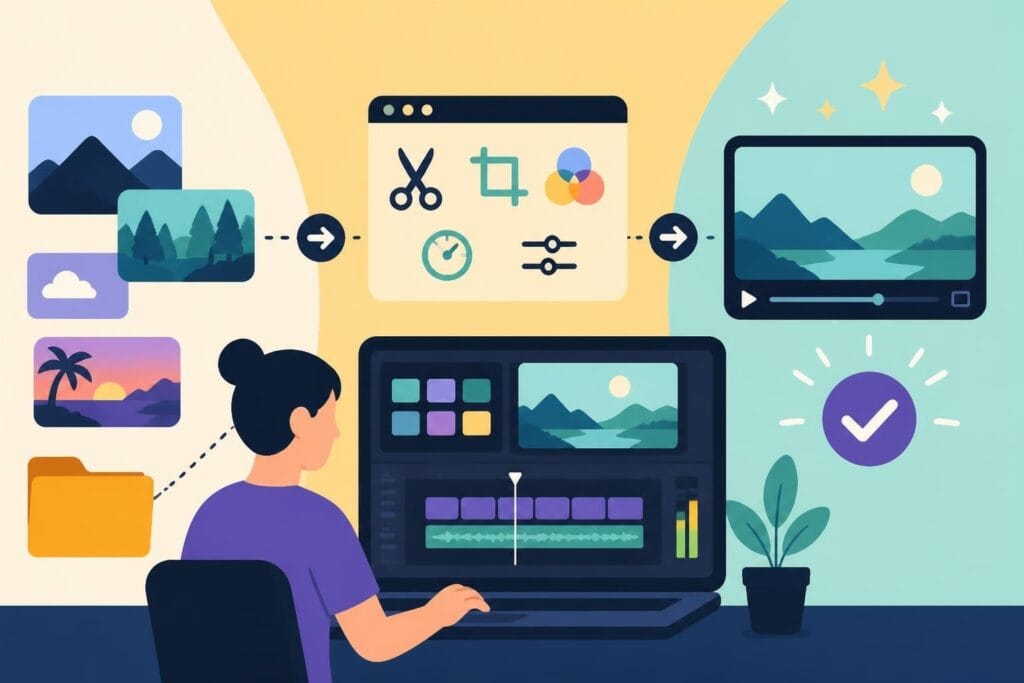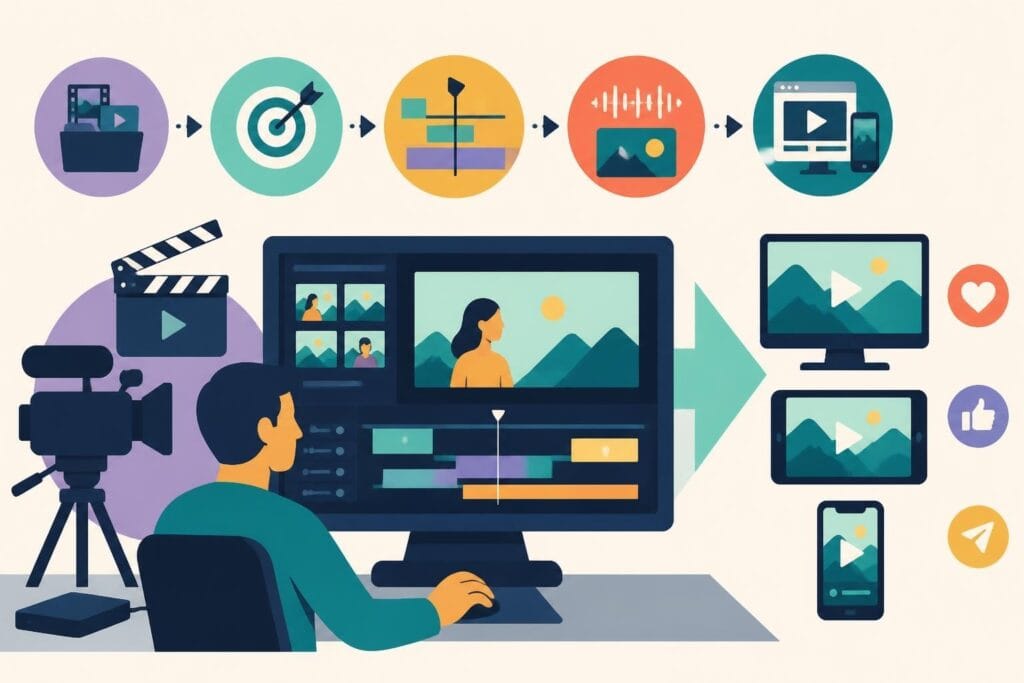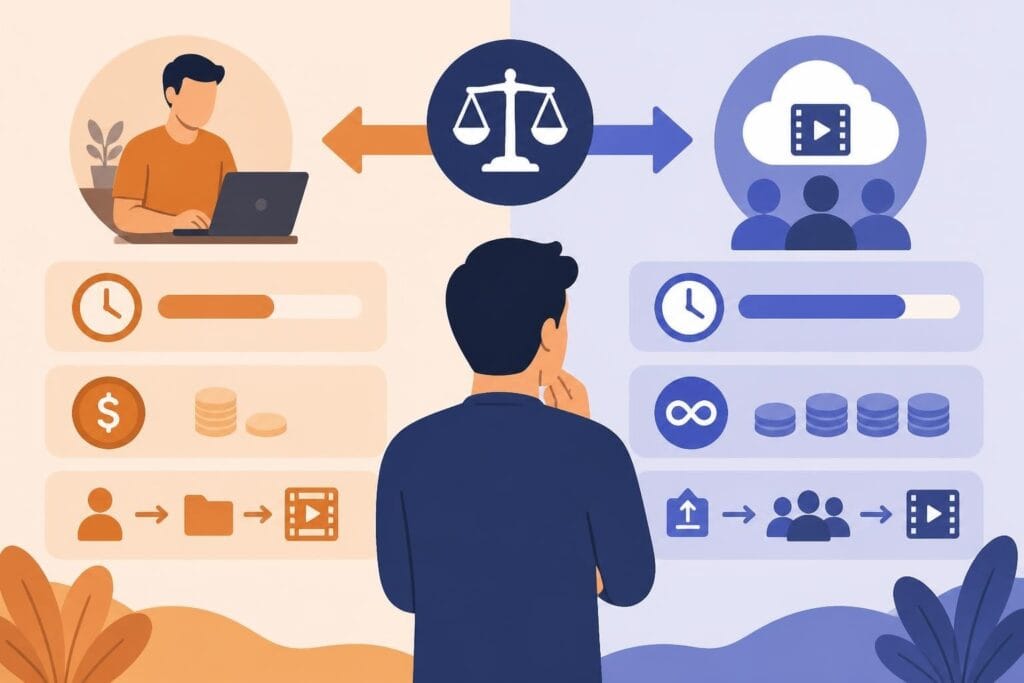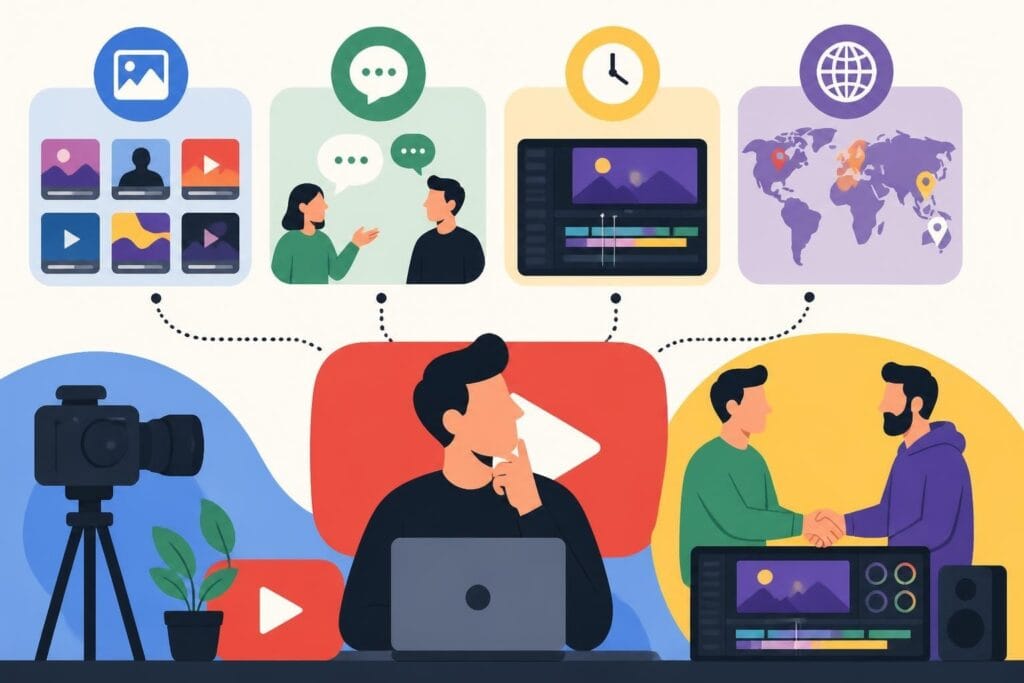

The demand for video content has exploded across every platform, and with it comes an incredible opportunity for anyone considering a video editing career. Whether you're a recent graduate, a creative professional looking to pivot, or someone passionate about storytelling through visuals, this field offers flexibility, creativity, and solid earning potential. But what does it really take to succeed? What skills matter most? And how do you navigate the path from beginner to in-demand professional? Let's break down everything you need to know about building a sustainable, rewarding career in video editing.
Why Video Editing Skills Matter More Than Ever
Video content dominates social media, marketing campaigns, educational platforms, and entertainment. TikTok, YouTube, Instagram Reels, and LinkedIn videos have created an insatiable appetite for fresh, engaging content. Businesses need video editors who can turn raw footage into scroll-stopping stories that drive results.
This shift has transformed video editing from a niche technical skill into an essential creative service. According to recent industry data, the career path for video editors shows strong growth projections through 2026 and beyond.
What makes this career path particularly attractive:
- Work from anywhere with a solid internet connection
- Flexible freelance opportunities alongside traditional employment
- Creative expression combined with technical problem-solving
- Growing demand across industries from entertainment to e-commerce
- Multiple specialization paths from social media to documentary work
The barrier to entry has lowered significantly. Professional-grade editing software is more accessible than ever, and online learning resources make it possible to develop skills without formal film school training.
Understanding Video Editing Career Salary Expectations
Money matters, especially when you're planning a career move. The financial outlook for video editors varies widely based on experience, location, industry, and whether you work freelance or full-time.
Video editing salaries in 2026 show a healthy range that rewards both specialization and experience. Entry-level editors typically start between $35,000 and $45,000 annually, while mid-level professionals with 3-5 years of experience can earn $55,000 to $75,000.
Breaking Down Earnings by Experience Level
| Experience Level | Annual Salary Range | Hourly Rate (Freelance) |
|---|---|---|
| Entry-Level (0-2 years) | $35,000 – $45,000 | $20 – $35 |
| Mid-Level (3-5 years) | $55,000 – $75,000 | $40 – $65 |
| Senior (6-10 years) | $75,000 – $100,000 | $70 – $100 |
| Lead/Director (10+ years) | $100,000 – $150,000+ | $100 – $200+ |
Senior editors with specialized skills in motion graphics, 3D animation, or color grading command premium rates. Freelancers who build strong client relationships and efficient workflows often out-earn their salaried counterparts.
Geographic location plays a significant role too. Major media markets like Los Angeles, New York, and Atlanta offer higher salaries but also higher living costs. Remote work has somewhat leveled the playing field, allowing talented editors anywhere to access better-paying opportunities.
The return on investment for video editing education shows that while formal degrees can help, many successful editors build careers through self-directed learning, online courses, and real-world portfolio development.
Essential Skills That Define Video Editing Career Success
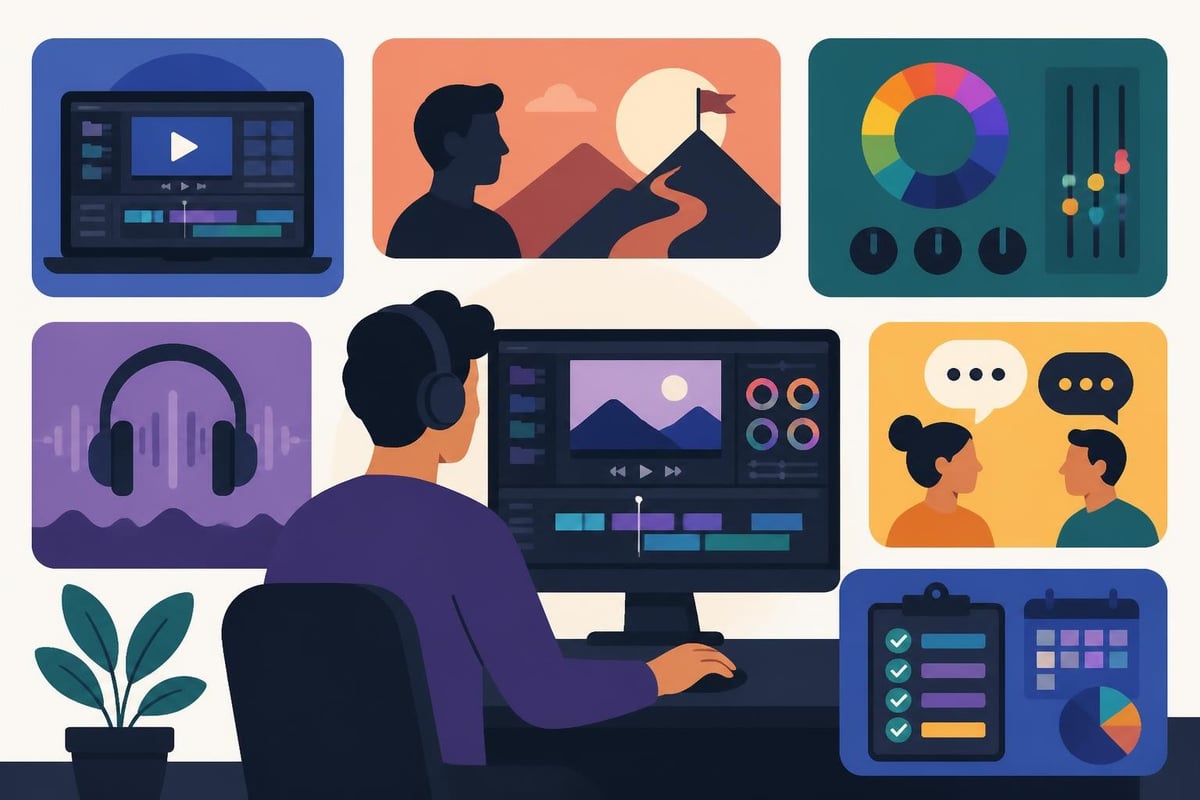
Technical proficiency is just the starting point. The most successful video editors combine hard skills with soft skills that make them indispensable to clients and employers.
Core technical competencies include:
- Software mastery: Adobe Premiere Pro, Final Cut Pro, DaVinci Resolve, After Effects
- Color grading: Understanding color theory and how to establish mood through color correction
- Sound design: Audio mixing, cleanup, and synchronization
- Motion graphics: Creating titles, lower thirds, and animated elements
- File management: Organizing projects, backing up footage, and managing storage efficiently
But technical skills alone won't set you apart. The editors who thrive in this competitive field develop strong creative and business instincts.
The Soft Skills That Separate Good from Great
Communication tops the list. You need to understand client vision, ask clarifying questions, and articulate your creative choices. Many projects fail not because of poor editing skills but because expectations weren't aligned from the start.
Time management and deadline reliability make or break reputations. Clients remember editors who deliver quality work on schedule more than those who produce slightly better work late.
Creative storytelling transforms raw footage into compelling narratives. This means understanding pacing, rhythm, emotional arcs, and what to cut just as much as what to keep.
Adaptability matters too. Platforms and trends evolve quickly. The editor who can pivot from long-form YouTube content to snappy TikTok videos (and understands the different approaches each requires) stays relevant and in-demand. If you're curious about platform-specific editing, TikTok editing services showcase how specialized skills translate across different content types.
Different Paths Within a Video Editing Career
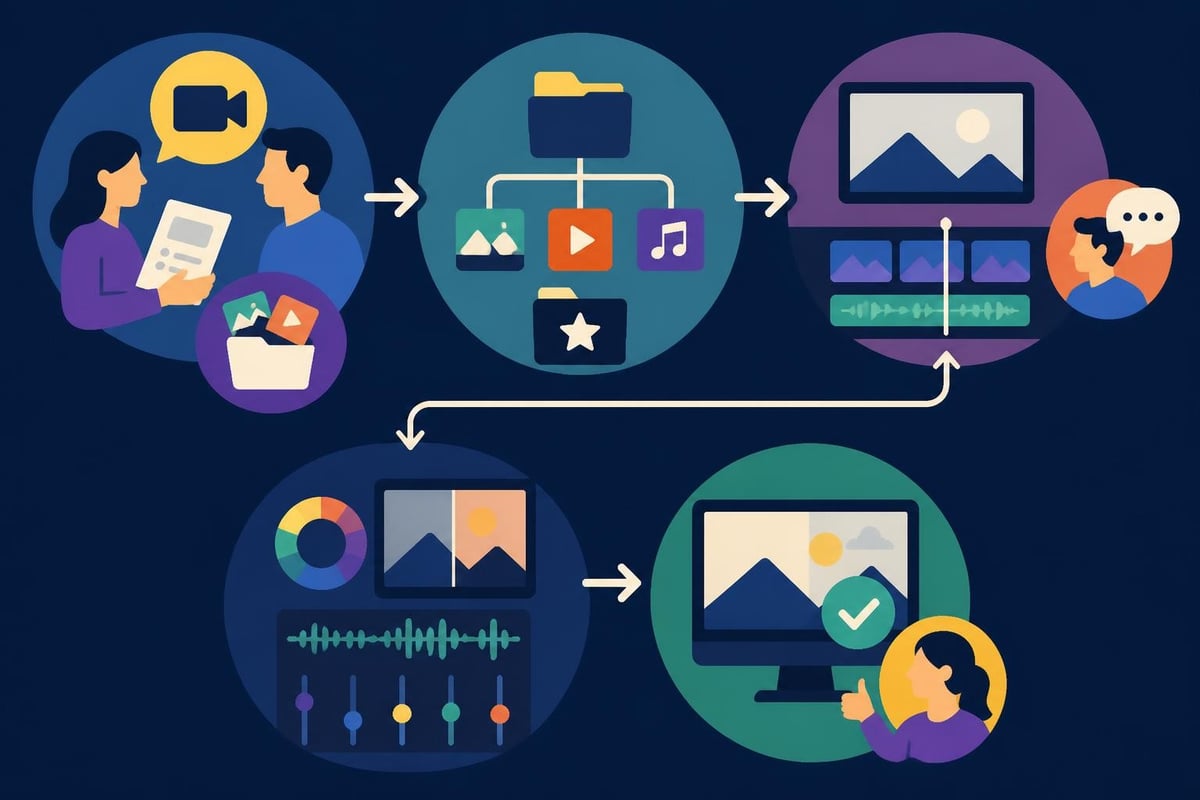
The beauty of this field lies in its diversity. You're not locked into one type of work or one industry. Many editors explore different niches before finding their sweet spot.
Freelance Video Editing
Freelancing offers maximum flexibility and earning potential but requires strong self-discipline and business skills. You manage your own clients, set your rates, handle invoicing, and build your reputation from scratch.
Advantages of freelancing:
- Work on diverse projects across industries
- Set your own schedule and rates
- Choose clients and projects that align with your interests
- Scale income by raising rates and building efficiency
- Location independence
Challenges to consider:
- Inconsistent income flow, especially when starting
- Responsible for your own health insurance and retirement
- Client acquisition and relationship management
- Administrative tasks like contracts and invoicing
- Isolation without a team environment
Full-Time Employment
Staff positions at production companies, marketing agencies, media outlets, or corporate communications departments provide stability and benefits. You typically work on projects assigned to you, collaborate with teams, and follow established workflows.
This path suits editors who value consistent income, prefer collaborative environments, and want to focus purely on creative work without business management overhead. The job responsibilities and outlook for video editors detail what employers typically seek in candidates.
Hybrid and Contract Work
Many editors combine freelance clients with part-time or contract positions. This approach balances income stability with creative freedom and diverse experience.
Platforms like beCreatives represent an emerging model where editors work with multiple clients through a streamlined system that handles client acquisition, project management, and payment processing. This eliminates many freelance headaches while maintaining flexibility.
Building Your Portfolio and Landing Clients
Your portfolio is your most powerful tool. It demonstrates your skills, style, and range far better than any resume or certification.
Start by creating sample projects:
- Offer to edit videos for friends' businesses or nonprofits
- Create spec work by editing publicly available footage with your own creative spin
- Participate in editing challenges on platforms like Reddit or Discord communities
- Document your own projects or hobbies through video
Quality trumps quantity every time. Five exceptional pieces that showcase different skills beat twenty mediocre examples. Each portfolio piece should tell a story about what you can do and the value you deliver.
Where to Find Your First Paying Clients
The initial clients often come from your existing network. Let everyone know you're offering video editing services. Post on social media, join local business groups, and reach out to small businesses that could benefit from better video content.
Effective platforms for finding work:
| Platform | Best For | Typical Projects |
|---|---|---|
| Upwork | Building initial portfolio | Small projects, various industries |
| Fiverr | Quick turnaround services | Social media clips, simple edits |
| Professional networking | Corporate videos, marketing content | |
| Facebook Groups | Local businesses | Events, promotions, testimonials |
| Direct outreach | Long-term relationships | Retainer agreements, ongoing work |
Cold outreach works better than you might think. Identify businesses or creators with amateur-looking videos and propose how you could help them improve. Be specific about what you noticed and how you'd enhance it. You can explore real examples of video editing transformations to understand what resonates with clients.
Growing and Scaling Your Video Editing Career
Once you've established basic competency and landed initial clients, the next phase involves specialization and scaling.
Specializing in a niche often accelerates growth faster than remaining a generalist. Consider focusing on:
- Real estate walkthrough videos
- Wedding and event videography editing
- YouTube content for specific industries (gaming, beauty, finance)
- Corporate training and internal communications
- Documentary and long-form storytelling
- Social media content for agencies or influencers
Specialists command higher rates because they understand industry-specific needs, workflows, and audience expectations. According to industry salary trends, specialized editors often earn 30-50% more than generalists with similar experience.
Investing in Ongoing Education
The technology and trends in video editing evolve constantly. Successful editors commit to continuous learning through:
- Following industry blogs and YouTube channels
- Taking advanced courses in specialized techniques
- Experimenting with new software and plugins
- Studying successful content in your niche
- Attending industry conferences and networking events
You don't need to master everything, but staying current with major platform changes (like new Instagram features or TikTok algorithm updates) keeps your work relevant.
The Business Side of Video Editing
Many talented editors struggle financially not because they lack skills but because they undervalue their work or lack business fundamentals.
Pricing strategies vary:
- Hourly rates work well for undefined scopes but can penalize efficiency
- Per-project pricing rewards speed and expertise as you get faster
- Retainer agreements provide income stability and client commitment
- Package pricing simplifies sales conversations and sets clear expectations
Track your time even if you charge per project. Understanding how long different tasks take helps you price accurately and identify efficiency opportunities.
Managing Client Relationships
Great editors become trusted partners, not just service providers. This means proactive communication, managing expectations clearly, and occasionally pushing back when client requests would compromise quality.
Set yourself up for success:
- Use contracts for every project, even small ones
- Establish revision limits upfront (typically 2-3 rounds)
- Communicate timeline expectations before starting
- Request detailed creative briefs to minimize misalignment
- Deliver earlier than promised when possible
The editors who build sustainable careers master the balance between accommodating client needs and maintaining boundaries that prevent burnout.
Tools, Technology, and Staying Current
Your editing software is your primary tool, but professionals invest in a broader toolkit that enhances efficiency and output quality.
Essential software for professional editors:
- Primary editing: Adobe Premiere Pro or Final Cut Pro
- Motion graphics: After Effects
- Color grading: DaVinci Resolve
- Audio editing: Adobe Audition or Logic Pro
- Project management: Frame.io, Monday.com, or Trello
- Storage and backup: External drives, cloud storage, RAID systems
Hardware matters too. A computer with a powerful processor, ample RAM (32GB minimum for professional work), and a calibrated monitor significantly impacts both efficiency and quality.
Many successful editors build template libraries and preset collections that speed up repetitive tasks while maintaining consistency. This lets you focus creative energy on storytelling rather than technical setup.
Navigating Challenges and Avoiding Burnout
Video editing careers offer tremendous opportunities but also present real challenges. Acknowledging these upfront helps you build strategies to manage them.
Common obstacles include:
- Revision fatigue: Endless client changes that extend projects indefinitely
- Scope creep: Projects expanding beyond original agreements without compensation
- Physical strain: Eye fatigue, back pain, and repetitive stress injuries from long editing sessions
- Isolation: Especially for freelancers working alone from home offices
- Creative blocks: Feeling stuck or uninspired on challenging projects
Building sustainable habits protects both your health and your career longevity. Take regular breaks using techniques like the Pomodoro method. Invest in ergonomic equipment. Set boundaries around working hours. Connect with other editors through online communities or local meetups.
The most successful editors recognize when to push through challenges and when to step away. Sometimes a fresh perspective after a break solves what seemed impossible during a late-night editing session.
Alternative Models for Video Editing Professionals
The traditional freelance-versus-employment binary isn't the only option anymore. Innovative service models are emerging that offer benefits of both approaches.
Subscription-based editing services partner editors with ongoing clients who need consistent content output. Rather than one-off projects, you might work with a business owner who needs 10-15 videos edited monthly. This provides income predictability while maintaining variety across different content types.
Some editors build passive income streams by creating and selling:
- Video templates and presets
- Stock footage collections
- Online courses teaching specific techniques
- Plugins or extensions for editing software
These don't replace active editing work initially but can supplement income and eventually scale into significant revenue streams.
The detailed career progression and skills roadmap shows how editors can diversify their revenue and advance into leadership or specialized roles over time. Many seasoned professionals transition into directing, producing, or running their own agencies after mastering the technical craft.
Making the Decision: Is Video Editing Right for You?
A video editing career offers genuine opportunities for creative fulfillment and financial success, but it's not for everyone. Honest self-assessment helps you decide if this path aligns with your strengths and lifestyle preferences.
This career suits you if:
- You enjoy detailed, focused work that requires patience
- Visual storytelling and creative problem-solving energize you
- You're comfortable with technology and learning new software
- Deadline pressure motivates rather than paralyzes you
- You can handle constructive criticism and client feedback
You might struggle if:
- You prefer high social interaction throughout your workday
- Detail-oriented tasks feel tedious rather than satisfying
- You need immediate visible results (editing can be slow, methodical work)
- You're uncomfortable with subjective feedback on creative choices
There's no single "right" personality for video editing, but understanding what the day-to-day reality involves helps you make an informed decision. Consider trying a few small projects before committing to this career path full-time.
Building a video editing career in 2026 offers exciting possibilities for creative professionals who combine technical skills with business savvy and storytelling instincts. Whether you're just starting out or looking to scale your existing work, the demand for quality video content continues growing across every industry. If you're a content creator, entrepreneur, or marketer who needs professional editing without the overhead of hiring full-time staff, beCreatives provides unlimited editing services with dedicated editors, streamlined communication, and unlimited revisions. Focus on creating great content while experienced professionals handle the editing that brings your vision to life.