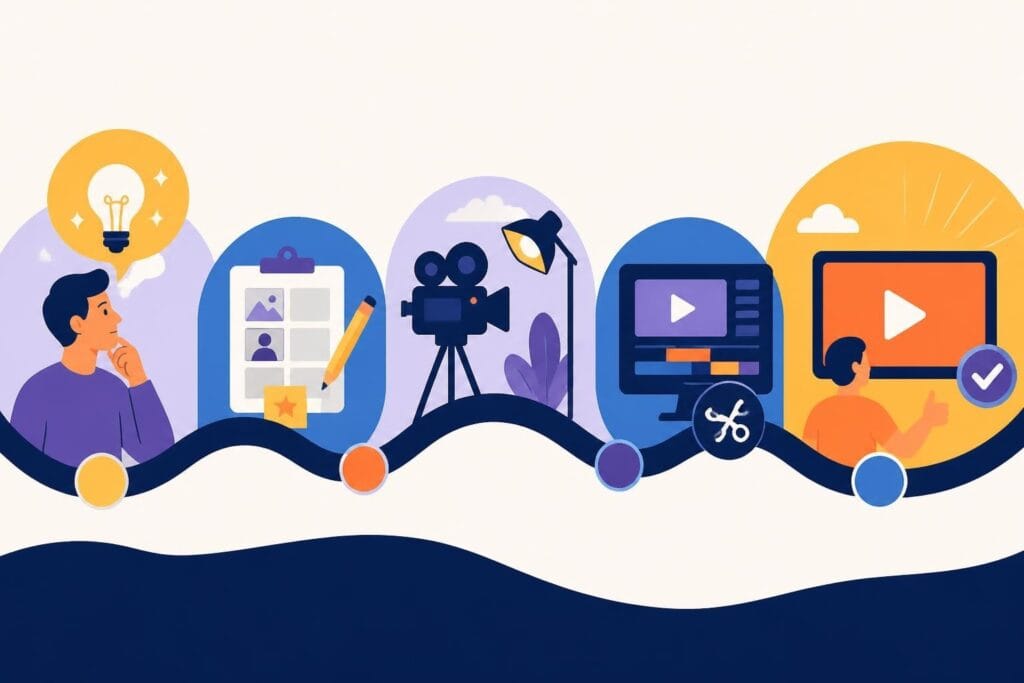
Every time you sit down to create new video content, you're not just making another piece for your feed. You're building a direct connection with your audience, boosting your brand visibility, and (hopefully) making your marketing work while you sleep. But let's be honest: the process can feel overwhelming, especially when you're juggling a million other business tasks. The good news? Creating video content in 2026 doesn't have to be the time-sucking nightmare it once was. With the right approach and some smart outsourcing, you can consistently pump out high-quality videos without losing your mind or your weekends.
Why Video Content Matters More Than Ever in 2026
Video isn't just a nice-to-have anymore. It's the primary way people consume content, learn about products, and decide who to trust with their hard-earned money.
Here's what the numbers tell us:
- Over 80% of internet traffic now comes from video content
- Social platforms prioritize video in their algorithms
- Video posts generate 1200% more shares than text and images combined
- Consumers are 64-85% more likely to buy after watching a product video
When you create new video content regularly, you're not just keeping up with trends. You're staying visible, building authority, and creating assets that work for you 24/7.
But consistency is the tricky part. Many creators and business owners struggle to maintain a regular video schedule because production feels too complex or time-consuming.
The Modern Video Creation Landscape
The tools available to create new video content have exploded in recent years. From professional cameras to smartphones with cinema-grade capabilities, the barrier to entry has never been lower.
Yet somehow, video production still intimidates people. Why? Because it's not just about recording footage anymore. It's about storytelling, editing, optimizing for different platforms, and understanding what resonates with your specific audience.
Planning Your Video Content Strategy
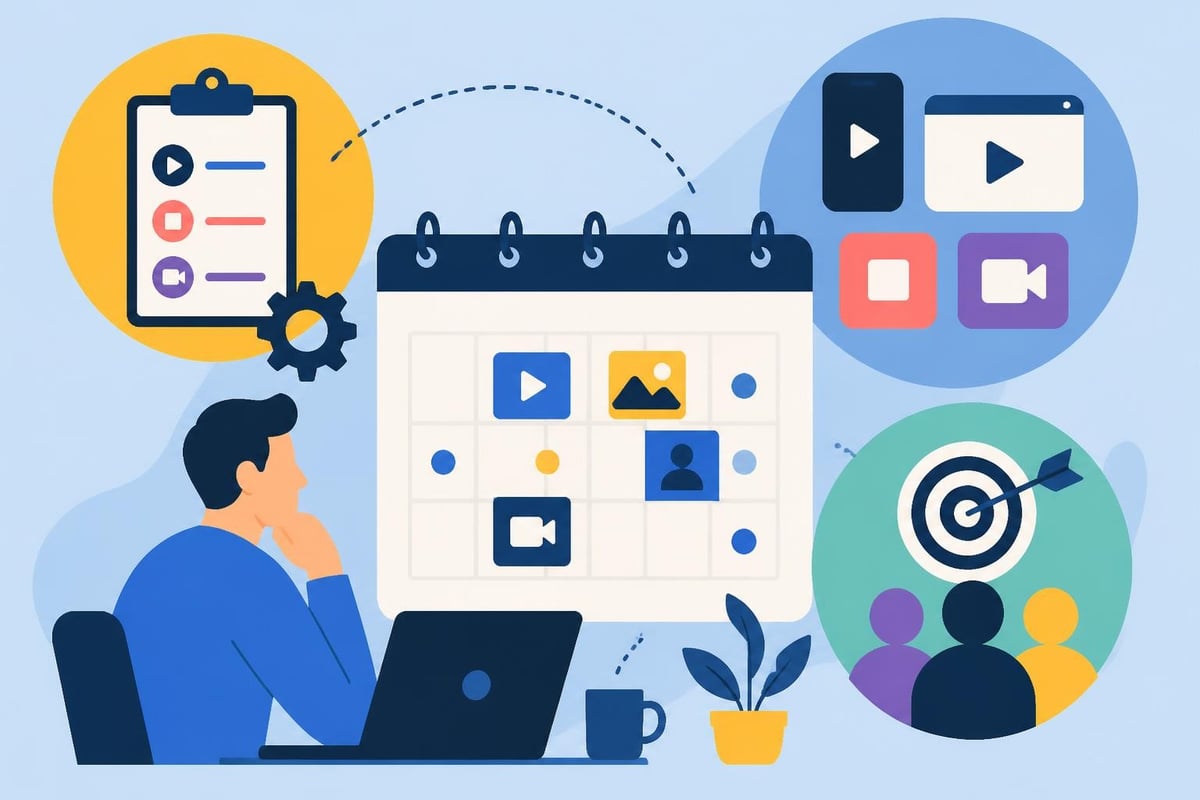
Before you hit record, you need a plan. Random video creation might work for a week or two, but strategic planning keeps you consistent for months and years.
Define Your Goals First
What do you actually want your videos to accomplish? Different goals require different approaches.
| Goal Type | Video Format | Key Metrics |
|---|---|---|
| Brand awareness | Educational, behind-the-scenes | Views, reach, shares |
| Lead generation | How-to, product demos | Click-through rate, sign-ups |
| Sales conversion | Testimonials, case studies | Conversion rate, revenue |
| Community building | Q&A, live streams | Engagement, comments, retention |
When you're clear on your goals, every decision becomes easier. You'll know which platforms to prioritize, what topics to cover, and how to measure success.
Research What Actually Works
Don't guess what your audience wants. Look at the data. Check which videos perform best in your niche, analyze competitor content, and pay attention to comments and questions from your community.
Columbia University's research on video production best practices emphasizes the importance of understanding your audience before you create new video content. Their findings show that effective videos start with solid research and storyboarding.
You can also explore beCreatives' case studies to see how different businesses approach video strategy and what results they're getting.
Pre-Production: Setting Yourself Up for Success
Pre-production is where most video projects succeed or fail. Skip this step, and you'll waste hours fixing problems that could've been avoided.
Script and Storyboard Your Ideas
Even simple videos benefit from a basic script or outline. You don't need a Hollywood screenplay, but you should know:
- Your opening hook (first 3 seconds matter most)
- Main points you'll cover
- Call-to-action at the end
- Approximate length
For more complex projects, create a shot list. This prevents you from forgetting crucial footage and makes filming day way less stressful.
Location Scouting and Setup
Where you film matters almost as much as what you film. Your location should:
- Have good natural light or controllable artificial lighting
- Be quiet enough for clean audio
- Reflect your brand aesthetic
- Be accessible and practical for your filming schedule
Arizona State University's video production guidelines highlight how proper pre-production planning, including location selection and interview preparation, dramatically improves final video quality.
Gather Your Equipment
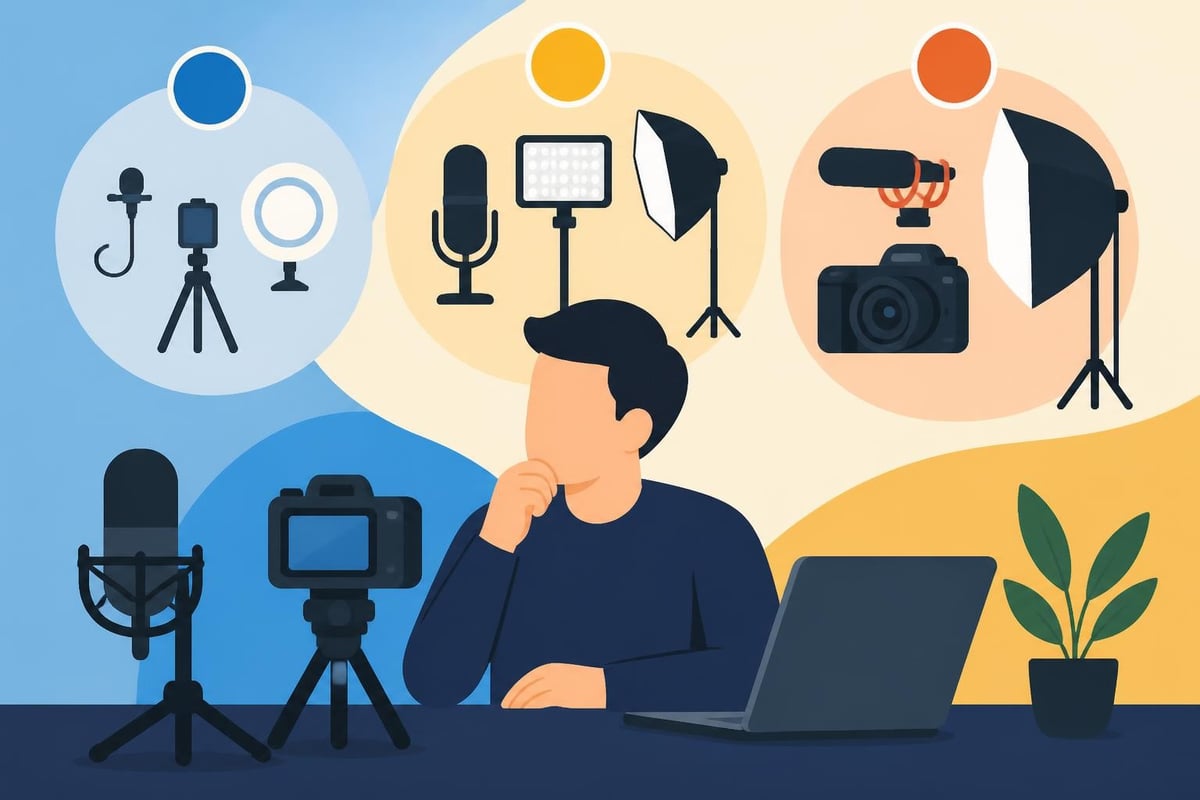
You don't need thousands of dollars in gear to create new video content that looks professional. Start with what you have and upgrade strategically.
Minimum viable setup:
- Smartphone with a decent camera
- Tripod or stable surface
- External microphone (even a $20 lavalier mic beats built-in audio)
- Natural light or one basic LED panel
Next-level upgrades:
- DSLR or mirrorless camera
- Multiple light sources for three-point lighting
- Shotgun microphone
- Basic backdrop or set pieces
Production Day: Filming Your Content
When it's time to actually create new video content, preparation pays off. You've done the hard thinking already, so now it's about execution.
Lighting Makes or Breaks Your Video
Bad lighting makes expensive cameras look cheap. Good lighting makes smartphones look professional. It's that simple.
The University of Florida's guide to webcam recording best practices offers practical advice on lighting and framing that applies whether you're using a webcam or a cinema camera.
Quick lighting tips:
- Position your main light source at a 45-degree angle from your face
- Avoid harsh overhead lighting that creates unflattering shadows
- Use natural light when possible, but diffuse it with curtains to prevent harshness
- Add a fill light on the opposite side to soften shadows
Audio Quality Is Non-Negotiable
People will tolerate mediocre video quality, but bad audio makes them click away instantly. Invest in audio first, cameras second.
- Get your microphone close to your subject (6-12 inches for most mics)
- Record test audio and listen with headphones before filming everything
- Eliminate background noise (turn off AC, fans, appliances)
- Consider recording in a smaller room with soft furnishings to reduce echo
Filming Techniques That Matter
Even basic filming techniques dramatically improve your results when you create new video content.
- Rule of thirds: Position your subject off-center for more dynamic framing
- Shoot B-roll: Capture extra footage you can use in editing to cover cuts or add visual interest
- Vary your shots: Mix close-ups, medium shots, and wide shots for variety
- Film multiple takes: You'll thank yourself during editing
- Leave handles: Record a few seconds before and after each clip for editing flexibility
Post-Production: Where the Magic Happens
This is where good footage becomes great content. It's also where most creators get stuck or burned out.
Professional editing transforms raw footage into engaging stories. You need to cut dead space, add graphics, color correct, mix audio, and optimize for each platform. It's time-consuming and requires specialized skills.
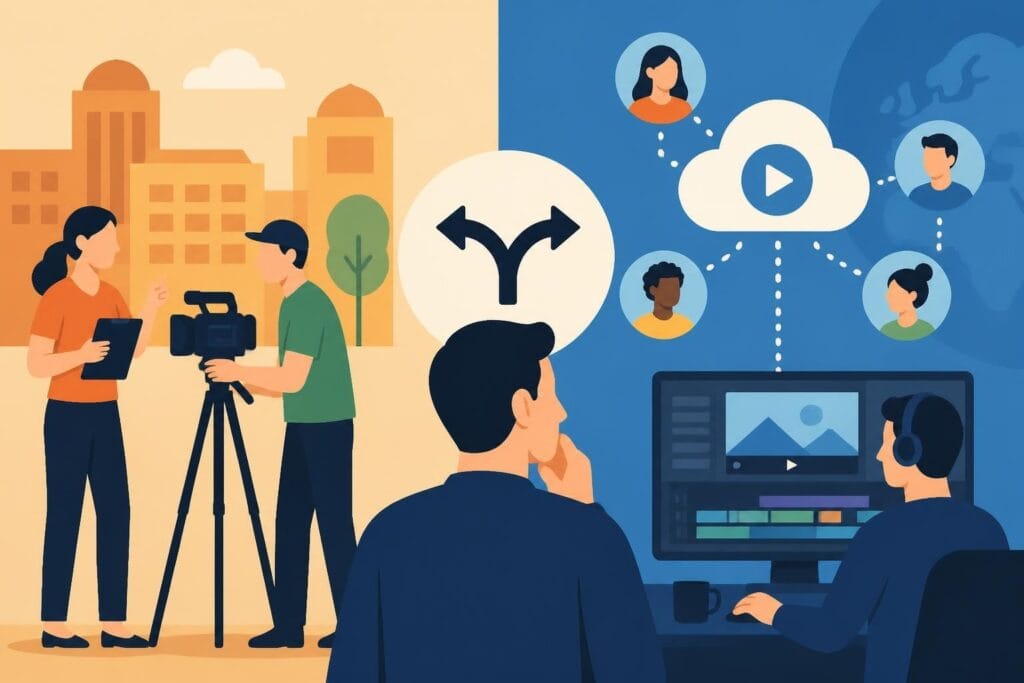
That's exactly why many successful creators, businesses, and agencies outsource their editing. When you have a dedicated team handling post-production, you can focus on what you do best while still maintaining a consistent video presence.
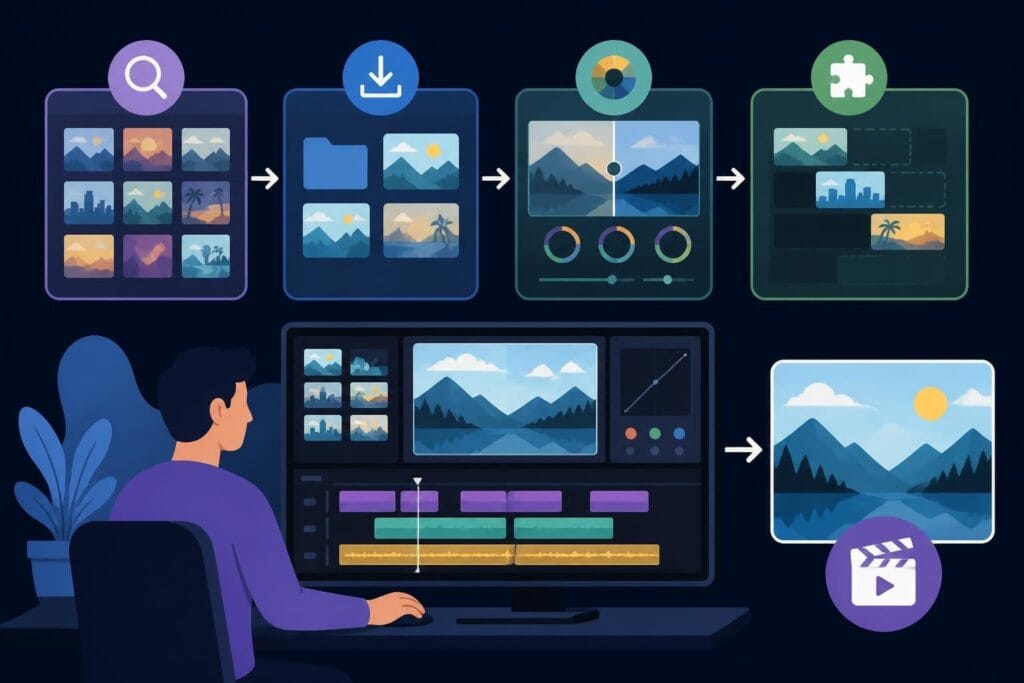
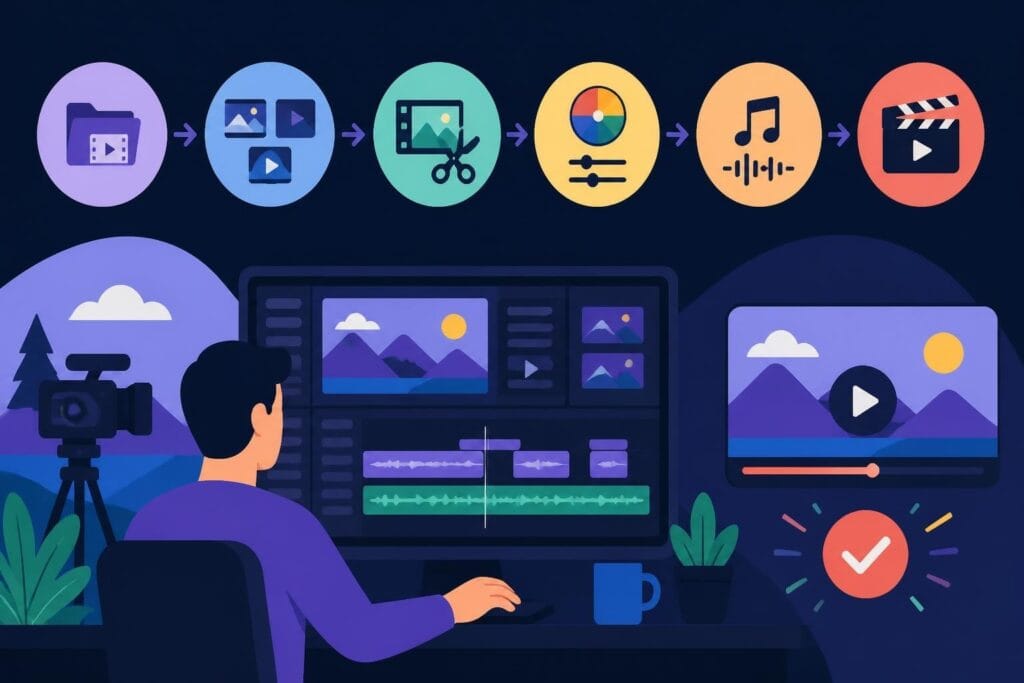
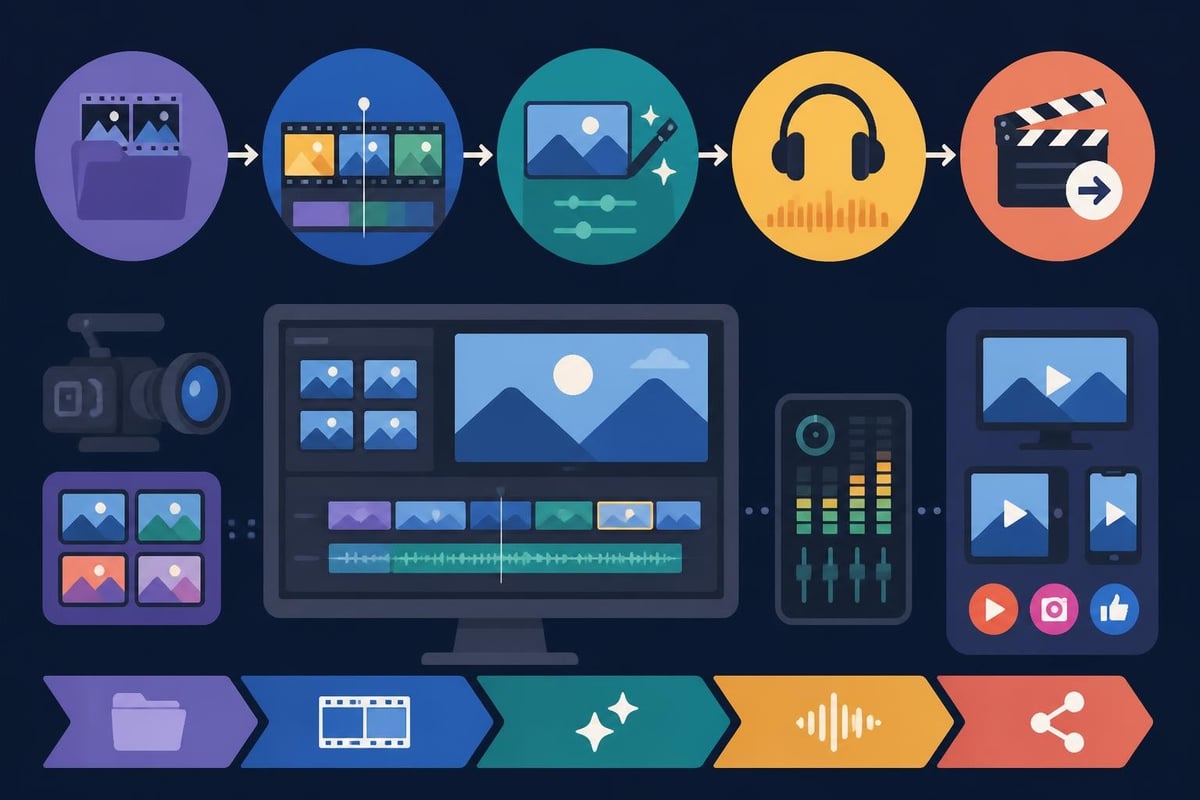
The Editing Process Breakdown
Whether you edit yourself or work with professionals, understanding the editing workflow helps you create new video content more efficiently.
| Editing Stage | Tasks Involved | Time Investment |
|---|---|---|
| Assembly | Import footage, organize files, create rough cut | 2-4 hours |
| Refinement | Trim clips, adjust pacing, remove mistakes | 3-6 hours |
| Enhancement | Add transitions, graphics, text overlays | 2-5 hours |
| Audio mixing | Balance levels, add music, remove noise | 1-3 hours |
| Color grading | Correct colors, create consistent look | 1-2 hours |
| Platform optimization | Export multiple formats, add captions | 1-2 hours |
For a single 5-minute video, you're looking at 10-22 hours of editing work if you're doing it yourself. And that's assuming you know what you're doing.
Platform-Specific Optimization
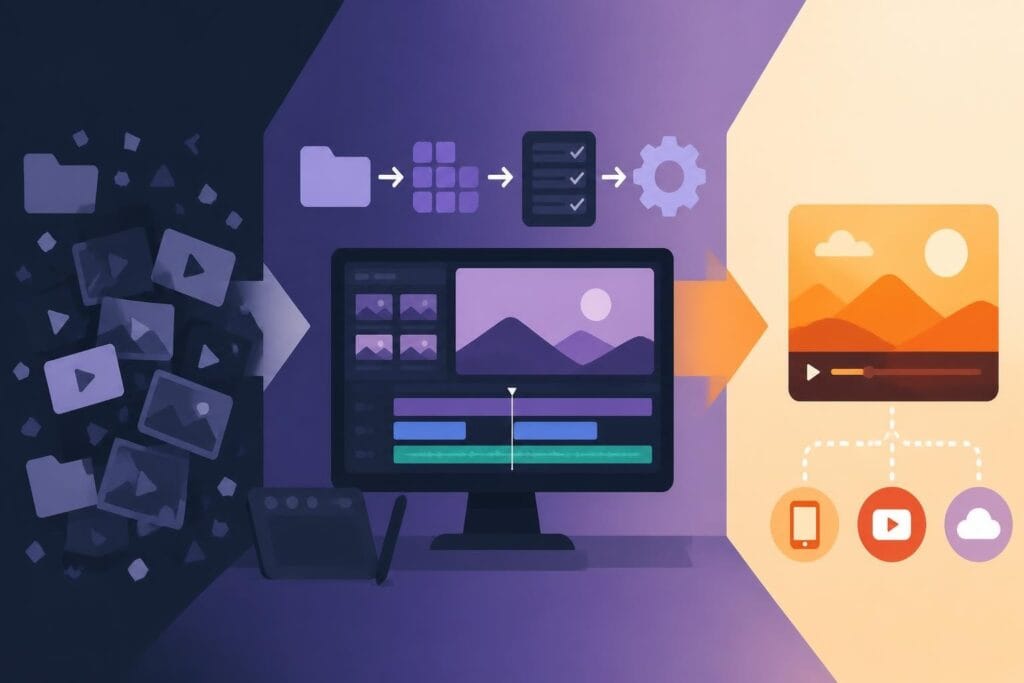
Every platform has different requirements when you create new video content. Instagram prefers vertical 9:16, YouTube wants horizontal 16:9, and LinkedIn performs better with square formats.
For TikTok and Instagram Reels specifically, check out specialized TikTok editing services that understand platform-specific trends and algorithms.
Platform requirements quick reference:
- YouTube: 16:9 ratio, longer-form (8+ minutes), SEO-optimized titles/descriptions
- Instagram Feed: Square or 4:5 ratio, under 60 seconds for best reach
- Instagram Reels: 9:16 vertical, 15-90 seconds, trending audio
- TikTok: 9:16 vertical, hook in first 3 seconds, 21-34 seconds sweet spot
- LinkedIn: Square or horizontal, professional tone, captions essential
Streamlining Your Video Creation Process
The secret to sustainable video content isn't working harder. It's working smarter and knowing when to delegate.
Batch Your Content Creation
Instead of creating one video at a time, batch your production. Set aside one day to film multiple videos, and you'll work more efficiently.
Benefits of batching:
- Same setup means less time adjusting lights and camera
- You're already in "filming mode" mentally
- Consistent look across multiple videos
- Less overall time spent on setup and breakdown
Many creators film 4-8 videos in one day, then have content for an entire month.
Create a Content Library
Build a library of B-roll footage, graphics, music, and templates you can reuse. This speeds up production and creates brand consistency.
Outsource What Drains You
Here's the reality: editing videos is a specialized skill that takes years to master. Even with the best video editing software, the learning curve is steep, and the time investment is massive.
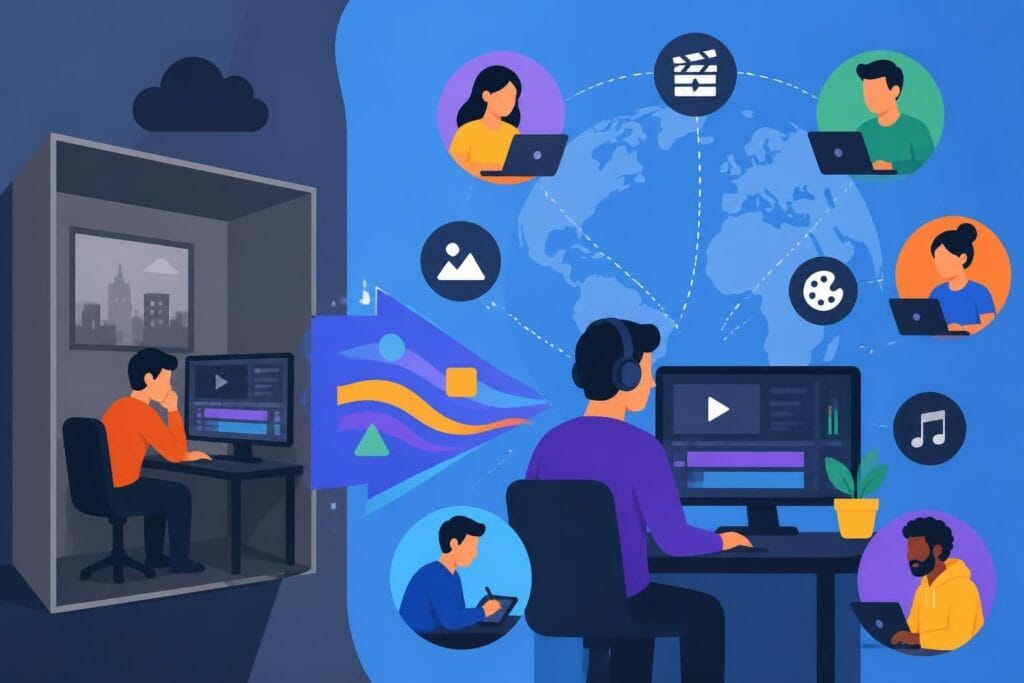
Successful creators and businesses don't try to do everything themselves. They focus on their zone of genius and partner with professionals for the rest.
When you work with a service like beCreatives, you get dedicated editors who understand your brand, unlimited revisions, and fast turnaround times. That means you can create new video content consistently without sacrificing your evenings and weekends.
Measuring Success and Iterating
Creating videos is only half the equation. Understanding what works lets you improve with every piece of content.
Key Metrics to Track
Different platforms offer different analytics, but these core metrics matter across all channels:
- View count: How many people watched
- Watch time: How long they stayed (more important than views)
- Engagement rate: Likes, comments, shares relative to views
- Click-through rate: If you have a CTA, did people act on it?
- Audience retention: Where people drop off in your video
Learn and Adapt
Your first videos won't be perfect. That's okay. The research on video creation by demonstration shows that iterative learning and pattern recognition dramatically improve video creation outcomes over time.
Review your analytics monthly, identify patterns, and adjust your approach. Maybe your audience prefers shorter videos, or perhaps they engage more with certain topics. Let data guide your decisions.
Common Mistakes to Avoid
Even experienced creators make these mistakes when they create new video content. Avoid them and you'll save yourself headaches.
Top pitfalls:
- Skipping pre-production planning (leads to reshoots and wasted time)
- Ignoring audio quality (instant credibility killer)
- Making videos too long without value (respect your audience's time)
- Inconsistent posting schedule (kills momentum and audience growth)
- Trying to be everywhere at once (pick 1-2 platforms and dominate them first)
- Perfectionism paralysis (done is better than perfect)
The comprehensive guide on video production best practices emphasizes that the most common failure point is inadequate planning, not technical limitations.
Building a Sustainable Video Content System
Sustainability beats intensity every time. You don't need to create new video content every single day. You need a system that works long-term without burning you out.
Set Realistic Goals
Be honest about your capacity. If you can realistically create new video content twice a week, commit to that. Consistency beats quantity.
Document Your Process
Create SOPs (standard operating procedures) for your video creation process. This makes it easier to train team members, work with editors, or even just remember what worked last time.
Build Your Team Strategically
You don't need to hire full-time staff immediately. Start by outsourcing the most time-consuming or skill-intensive parts.
For most creators and businesses, editing is the first thing to outsource because it:
- Takes the most time relative to value
- Requires specialized technical skills
- Can be done asynchronously
- Frees you up for high-value activities like strategy and filming
Check out current opportunities if you're interested in the freelance video editor career path, or explore beCreatives' transparent pricing to see how affordable unlimited editing can be.
Advanced Strategies for 2026
As you get comfortable with basic video creation, these advanced strategies can multiply your results.
Repurpose Everything
One long-form video can become:
- 5-10 short-form clips for social media
- A podcast episode (audio only)
- Blog post with embedded video
- Email newsletter content
- Quote graphics with captions
This multiplier effect means you create new video content once but use it across multiple platforms and formats.
Use AI Tools Strategically
AI can help with ideation, script writing, caption generation, and even some editing tasks. But don't let AI replace your authentic voice. Use it to speed up tedious tasks, not to create soulless content.
Create Series and Recurring Content
Series build anticipation and make content planning easier. Examples:
- "Monday Marketing Tips"
- "Behind the Scenes Friday"
- Weekly Q&A sessions
- Monthly round-up videos
Collaborate with Others
Guest appearances, interviews, and collaborations expose you to new audiences and provide fresh content angles. Plus, they're often more engaging than solo content.
Brand Vision's guide to corporate video production best practices shows how collaboration and proper concept development lead to more impactful business videos.
The ROI of Consistent Video Content
When done right, video content delivers measurable ROI. But you need to track it properly.
Calculate your true cost per video:
- Your time (at your hourly rate)
- Equipment costs (amortized)
- Software subscriptions
- Editing time or outsourcing costs
Then measure returns:
- Leads generated
- Sales attributed to video
- Time saved on customer service (if videos answer common questions)
- Brand awareness and reach
For many businesses, professional video editing services pay for themselves within the first month through time savings alone, not even counting the improved results from professional-quality content.
Creating video content that actually moves the needle doesn't require you to become a professional videographer or editing wizard. It requires strategic planning, consistent execution, and smart delegation of the tasks that drain your time and energy. When you're ready to create new video content without the editing headaches, beCreatives offers unlimited video editing with dedicated editors who learn your brand and deliver fast turnarounds. Focus on what you do best while your videos get the professional polish they deserve.