800K
Views
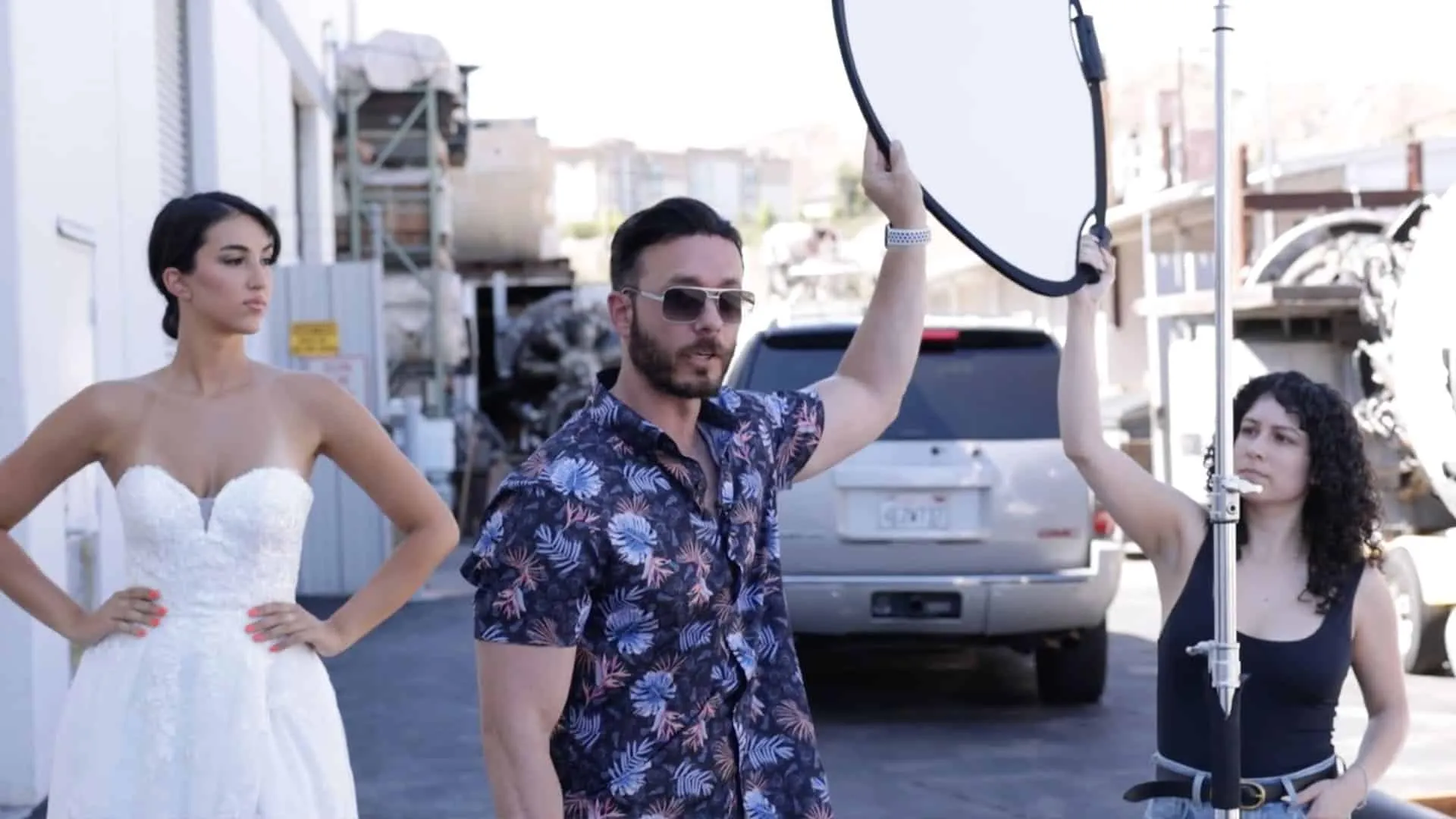
Went from 100K to 800K video views and managed to increase his posting to 3-4 videos daily.
Alex Tubio storyContent Creator5 dedicated editor spots open this week. Book a call to reserve →

 Kiara WalkerCocktales Podcast
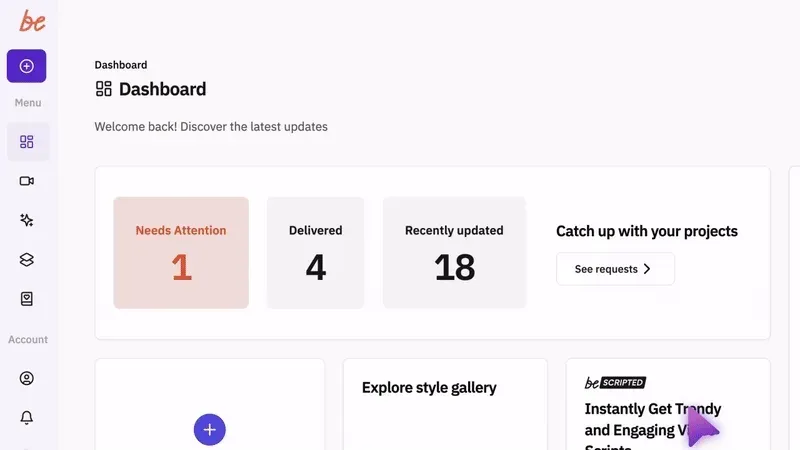
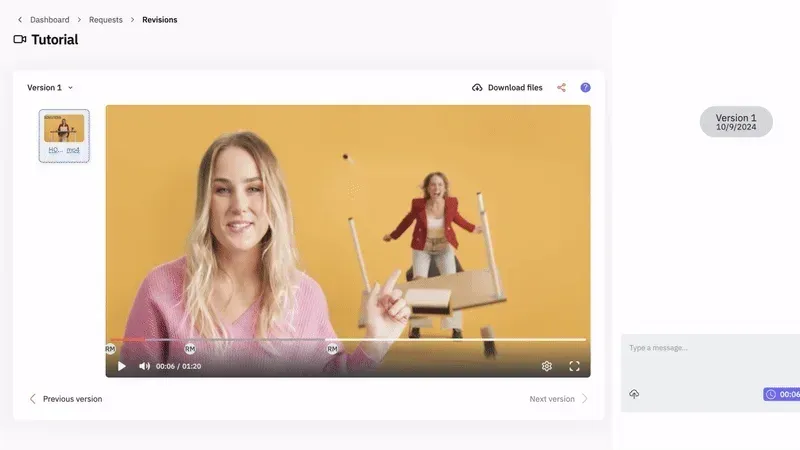
Tailored for modern-day video editing, so you can create video content without the hassle of managing.
Get Started!
Trusted by many!
100+
Monthly clients
50k
Videos edited
…and 1,000+ more creators and brands
No stress, no fuss. One less thing on your plate.
Get editors who create engaging and trendy videos in any style.
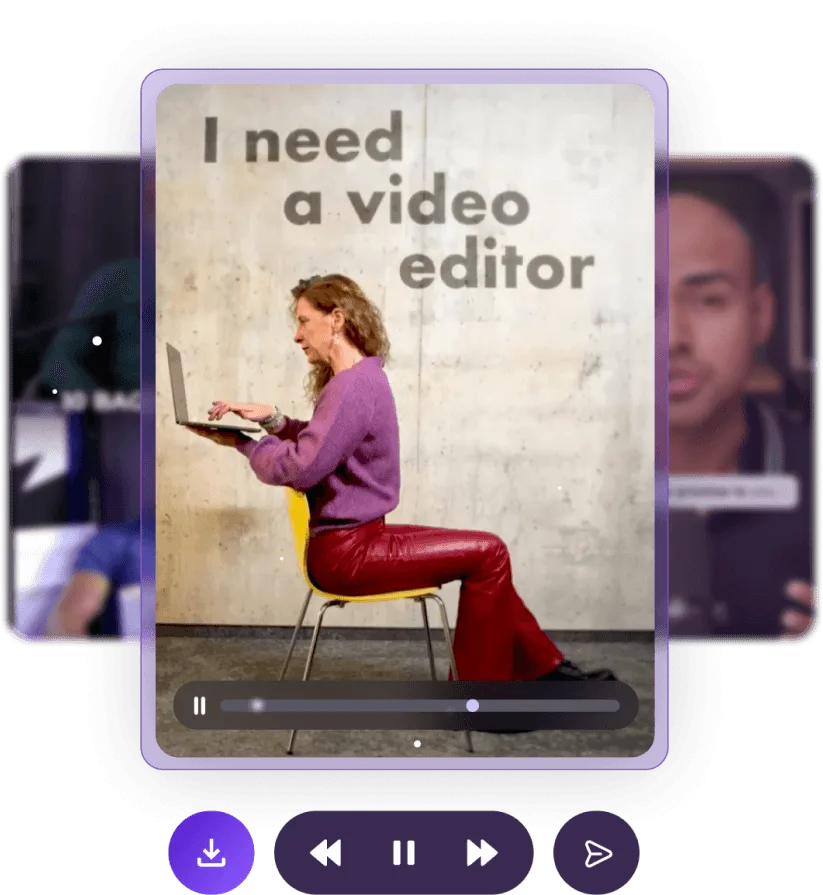
Get your videos delivered in less than 24h.
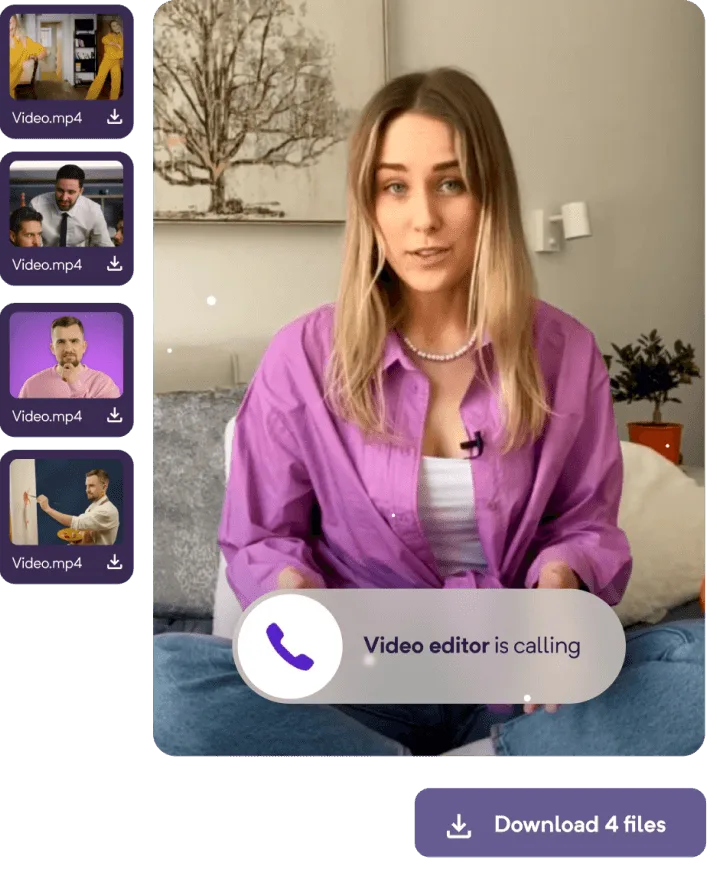
Spend less time handling video edits and stay focused on your business.
Get Started!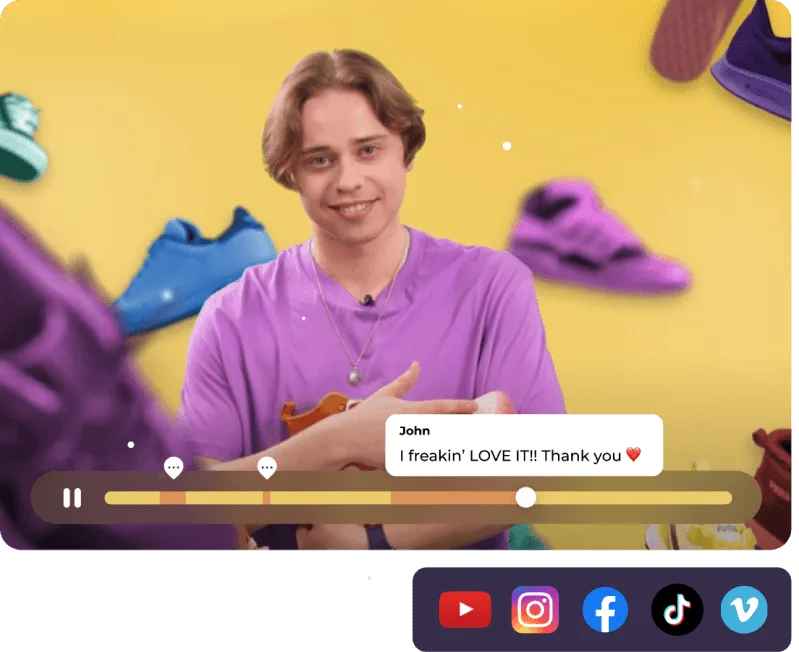
How it works

Real people. Real businesses. Real results.
800K
Views
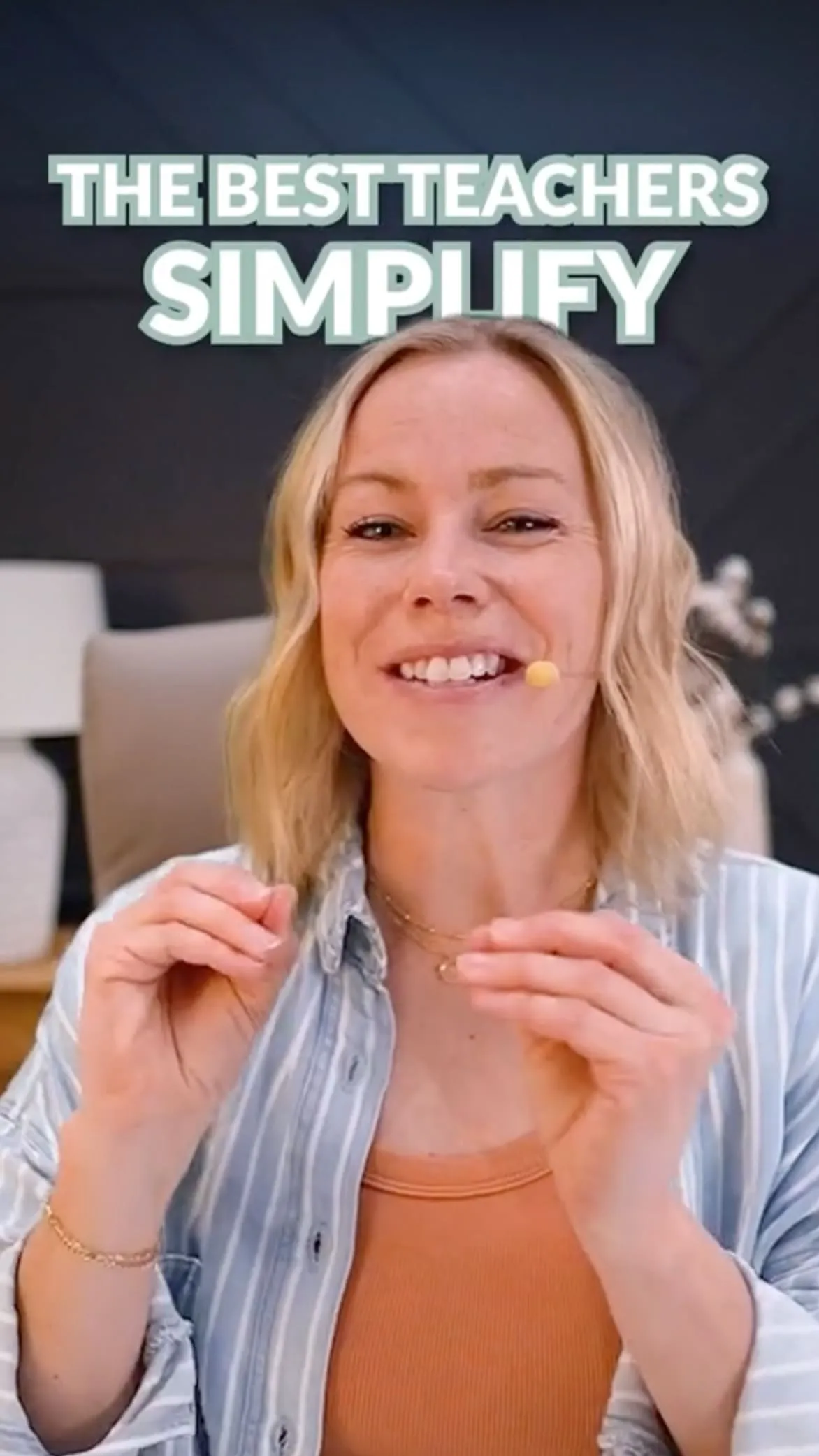
Went from 100K to 800K video views and managed to increase his posting to 3-4 videos daily.
Alex Tubio storyContent Creator
$50K
Donations
Professional Video Editing that helped FundBlackFounders raise over $50K in Donations.
FundBlackFounders storyCrowdfunding
500+
Videos
produced 500+ long-form videos, achieving consistent quality and fast turnarounds.
Danny Barrera storyMarketing Agency
$60K
Single video
Landed three $20K deals thanks to a single beCreatives video ad, proving that commerce happens on video.
Patrick Anghel storyBusiness Owner
100K
Subscribers
The Blessed Boys channel grew by 100K subscribers, with over 40 videos created since partnering with beCreatives.
Justin Knopp storyYouTube Channel
Get well-structured, on-brand video ideas and scripts instantly.
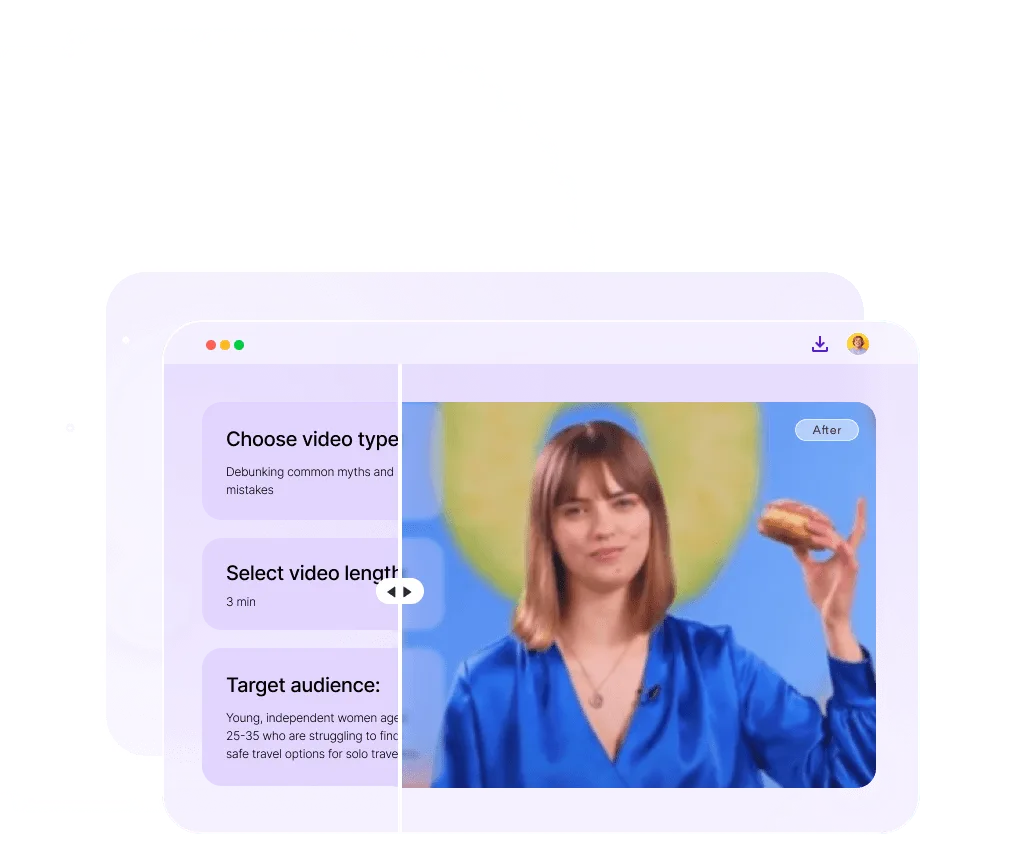

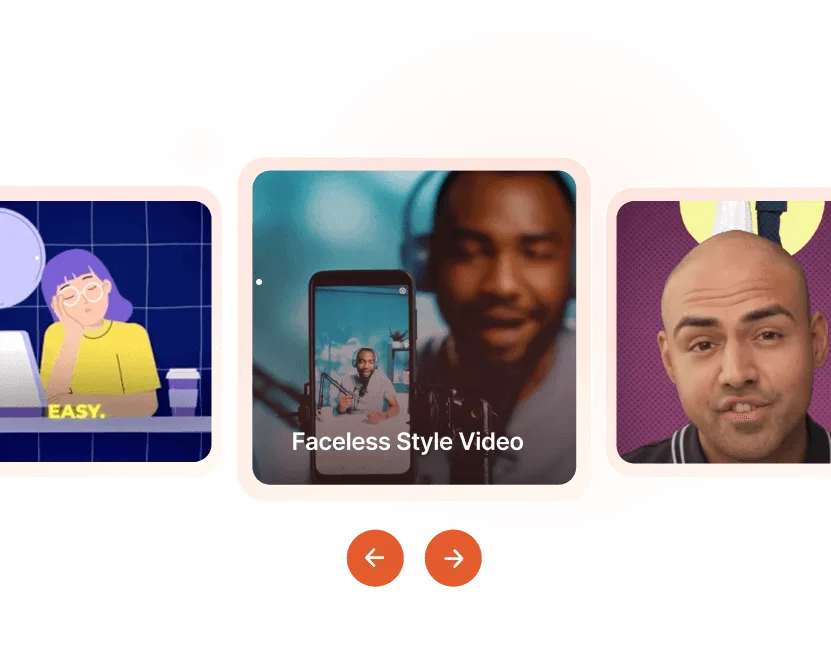
Use performing video templates to create trendy video content.

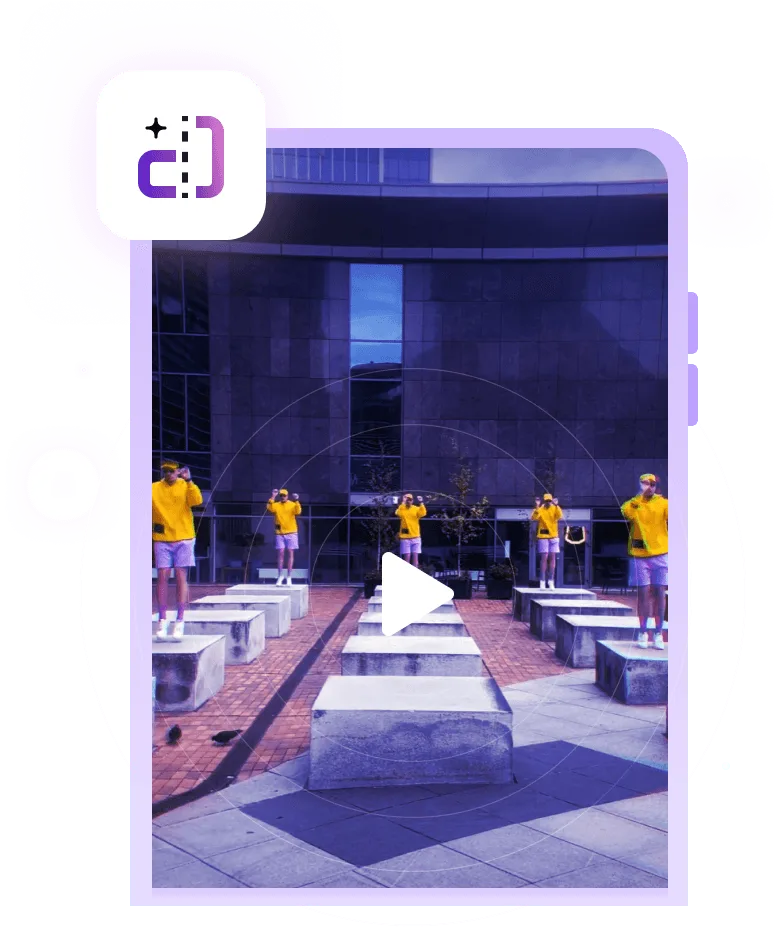
Find the most engaging clips from your long videos with AI.
1,000+ clients that trust us
Whatever you make, someone like you already edits with us.
Channels, coaches and personal brands
















Apparel, food, wellness and lifestyle












Product demos, launches and explainers












Real estate, legal, media and education






Your content deserves to shine, but the process can be overwhelming. That’s where we step in.
Our video professionals align every edit with your brand’s identity, creating videos that captivate and resonate with your audience.
Enhance your content with free music, graphics, and stock footage. Everything you need is part of your editing package.
From Instagram Reels and TikTok to Facebook, our video editing services ensure your content stands out and drives engagement.
Work directly with your own video professionals, ensuring every edit meets your goals and stays aligned with your vision.
From concept to completion, our video editing agency delivers professional results quickly and efficiently, with no hassle.
Whether you need short-form content like Reels and stories or long-form videos for YouTube, we will craft videos tailored to your needs.
Endless hours, tangled timelines, zero fun
One tool is not enough, no personality, just… meh
Big salary, bigger headaches, limited creativity
Cost-Effective. Because cutting corners isn’t worth the risk. Scale your business without gambling on cheap edits.
Hassle-Free. Skip the hiring and managing—our system keeps things simple so You can be the boss you’re meant to be!
No Commitment. Because flexibility is key. Scale up, down, or take a break—your editing, your call, no hard feelings included.
Great question!
We are more than just a video editing company—we’re your behind-the-scenes creative partner. With us, you’ll get expert editors who understand your style, fast turnarounds, and a hassle-free platform to manage all your projects. Plus, we ensure every edit aligns with your vision, so you can focus on creating while we do the rest.
Absolutely! We specialize in short-form video editing, including Reels, Stories, and TikTok videos. Our editors will ensure your videos are optimized for engagement, trends, and the unique requirements of the platform. Just upload your footage and let us handle the rest.
Our expertise lies in creating engaging social media videos and repurposing longer-form content into impactful short-form pieces. Here’s what we specialize in:
We also have some limitations:
Curious if we can edit your content? Share your example with us, and we’ll be happy to review it!
Take a look at some of our work here: Video Gallery
We make the process simple and seamless, designed specifically for small businesses looking to grow their online visibility and start seeing ROI from their content.
Here’s how it works:
Pro Tip: The more input you provide upfront, the faster your editor will adapt to your style and preferences. Investing time in clear communication at the start is 50% of the success!
Start building a bank of ready-to-go content and let your editor handle the hard work, so you can focus on growing your business.
Our turnaround times are fast and efficient, tailored to the length and complexity of your video.
These are general guidelines, and simpler requests may be completed even faster.
This makes it easy for you to plan your content without delays!
Still have a question? Start a Chat or book a call.
Book a Chat with one of our awesome creatives.
No sales pitch, just the answers you need, so we can match you with the ideal subscription plan and perfect video editor.
What do you need edits for?

Scratch to see who you got
This is your match, not your assignment.
We confirm your editor once you subscribe.
Pick a time that works and we’ll take it from there.
Open the booking page15 minutes, free